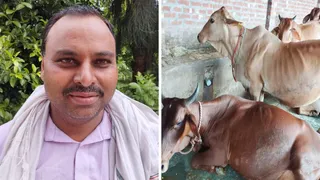
A new Nature Food study reveals that land degradation is widening yield gaps across the world’s croplands. Restoring soil health could feed an additional 70 million people annually.
Key Takeaways
- Land degradation reduces crop yields by 10‑15% on average.
- Improving soil quality by 10% could feed 70 million extra people.
- Policymakers must adopt sustainable farming practices urgently.
The latest comprehensive analysis in *Nature Food* shows that degradation of soils is widening the yield gap on global croplands. On average, farms affected by erosion, nutrient loss, and compaction see a 10‑15% drop in output, threatening food security worldwide.
Experts estimate that a modest 10% improvement in soil health could provide enough calories for an extra 70 million people each year, dramatically easing the looming global hunger crisis.
Historical Background
Over the past two decades, rapid industrialization and unsustainable agricultural practices have eroded soil fertility across major grain belts. The FAO warned as early as the 1990s that unchecked land degradation would compromise future food production.
Why This Matters
BozokMedia analysis shows that declining soil health not only threatens farmer incomes but also escalates geopolitical tensions over food imports, making immediate remedial action a strategic priority for governments worldwide.
"Soil restoration is the most cost‑effective long‑term solution to bolster food security," says Dr. Maya Patel, climate scientist.
Frequently Asked Questions
Question 1: What farming practices can curb land degradation?
Answer: Crop rotation, cover cropping, and organic amendments are proven methods.
Question 2: Which regions are most at risk?
Answer: Large portions of Africa, Central Asia, and South Asia face the highest vulnerability.