India has emerged as a global honey powerhouse, but experts warn that the real value lies in pollination services. Safeguarding bees is essential to ensure long-term crop yields and nutritional security.
- India is the world's 2nd largest honey producer and 3rd largest exporter by value.
- Bees contribute to nearly one-third of global crop output through pollination.
- Heavy reliance on the US market (76% of exports) poses a significant economic risk.
- Diversification into high-margin bee products like Royal Jelly and Propolis is the next frontier.
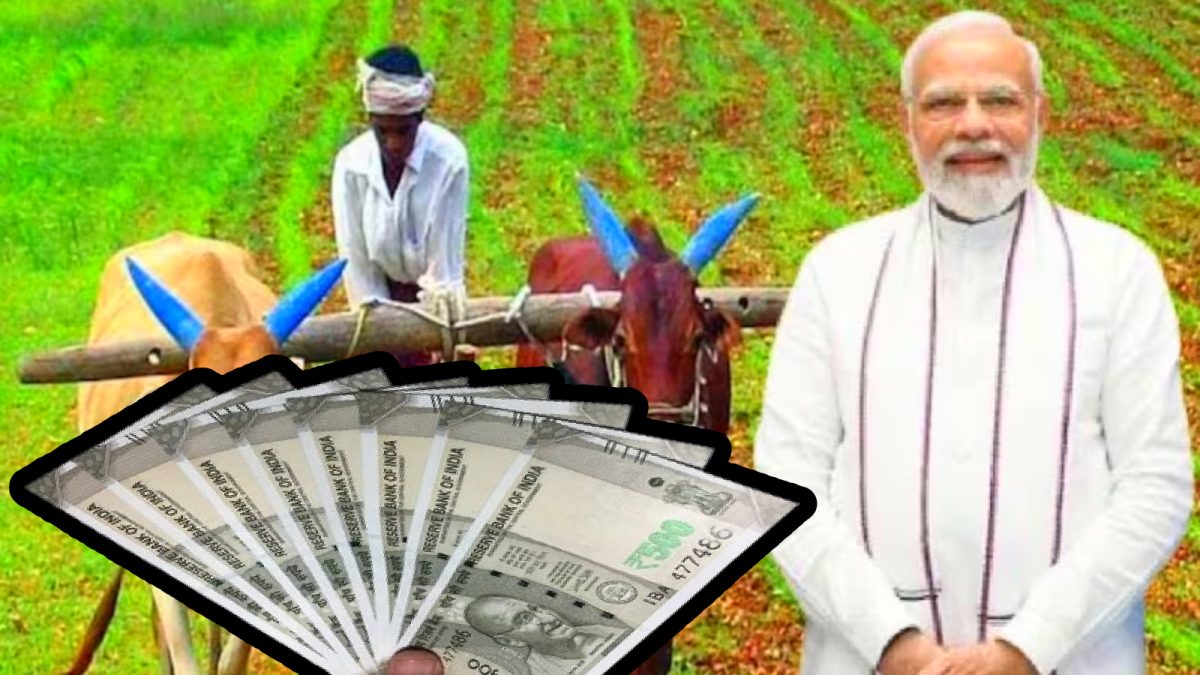
India is currently witnessing a 'Sweet Revolution,' with honey production nearly doubling over the last decade to approximately 151,000 tonnes by 2025-26. However, the narrative must shift from viewing honey as a mere export commodity to recognizing bees as an indispensable, unpaid agricultural workforce.
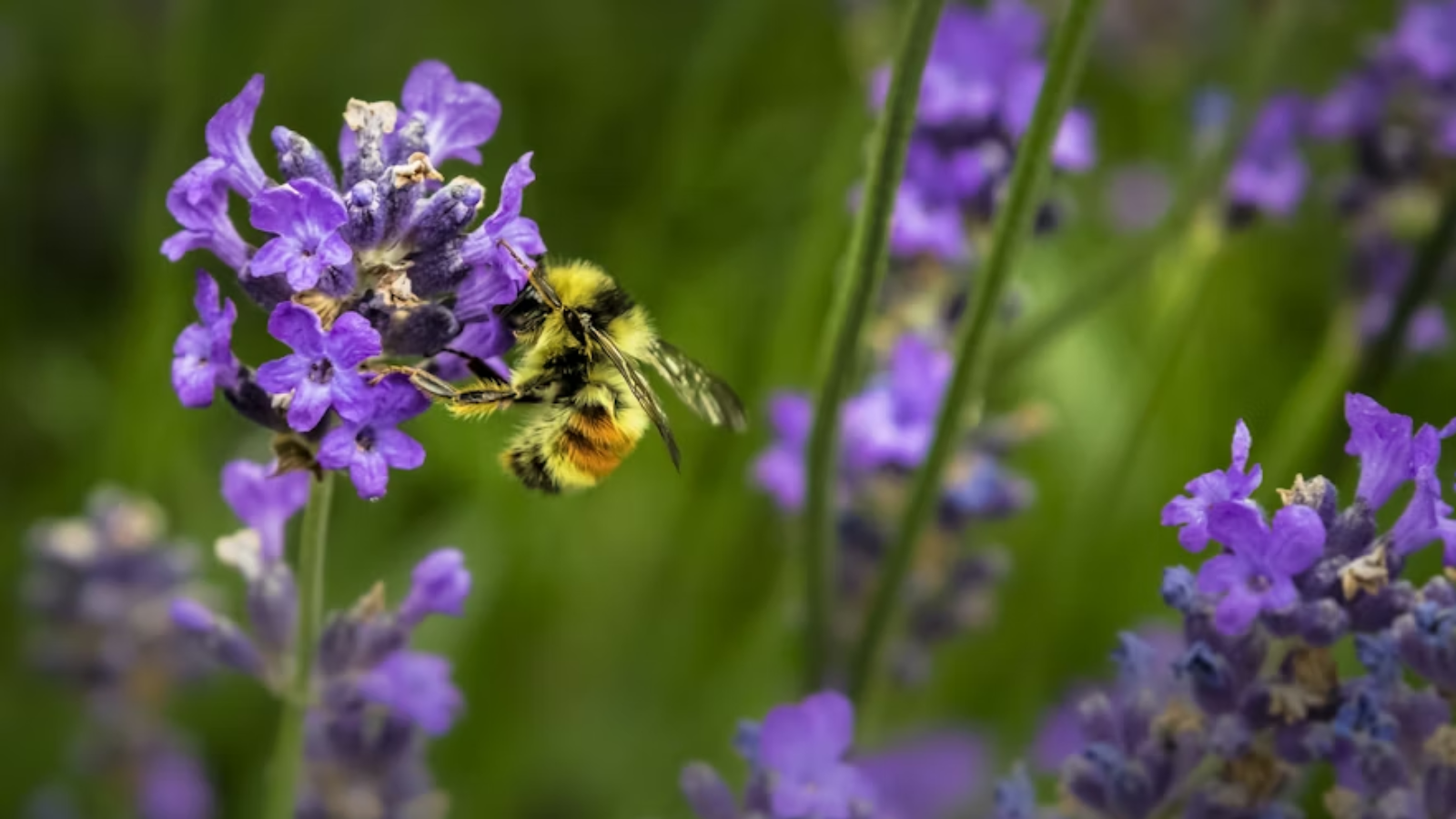
The Power of Pollination: According to the UN’s Food and Agriculture Organisation (FAO), bees are responsible for enhancing the yields of 87 out of 115 leading food crops. From the mustard fields of Rajasthan to the apple orchards of Himachal Pradesh, these insects are the silent engines of productivity, improving both the quantity and nutritional quality of farm produce.
Why This Matters
BozokMedia analysis shows that India's honey export strategy has been dangerously concentrated, with the US absorbing 76% of shipments. This vulnerability was exposed when sudden US tariff hikes crippled exporters. Consequently, India is now pivoting toward the EU, Netherlands, and Germany—markets that prioritize traceability, organic certification, and sustainable sourcing over bulk volume.
"The true measure of India’s sweet revolution will not be how much honey we sell, but whether we learn to protect the tiny worker that makes both the honey and the harvest possible."
Economic Potential and Bottlenecks: Despite a massive population, India's per capita honey consumption is a mere 37 grams per year, indicating a huge untapped domestic market. Furthermore, the unit value of Indian honey remains below the global average. To compete with premium products like New Zealand's Manuka honey, India must invest in NMR testing labs and GI branding for unique floral varieties.
| Metric | Current State | Strategic Goal |
|---|---|---|
| Market Focus | US Centric (76%) | Diversified (EU, Japan, East Asia) |
| Product Form | Bulk Unbranded | Branded Retail Packs |
| Revenue Stream | Primary Honey | Bee Products (Wax, Propolis, Jelly) |
The Path to Sustainability: Scaling exports must not come at the cost of bee health. Scientific beekeeping and strict pesticide management are non-negotiable. While the National Beekeeping and Honey Mission is a step forward, scaling requires targeted cluster grants and large-scale consumer awareness campaigns like 'Honey for Health'.
Frequently Asked Questions
Q1: Why is the concentration of exports in the US market risky for India?
A: Over-reliance on a single buyer makes the industry vulnerable to that country's political shifts and trade policy changes, as seen with recent tariff hikes.
Q2: How can India increase the unit value of its honey exports?
A: By shifting from wholesale unbranded shipments to branded retail packs and implementing GI tagging for unique regional floral varieties.