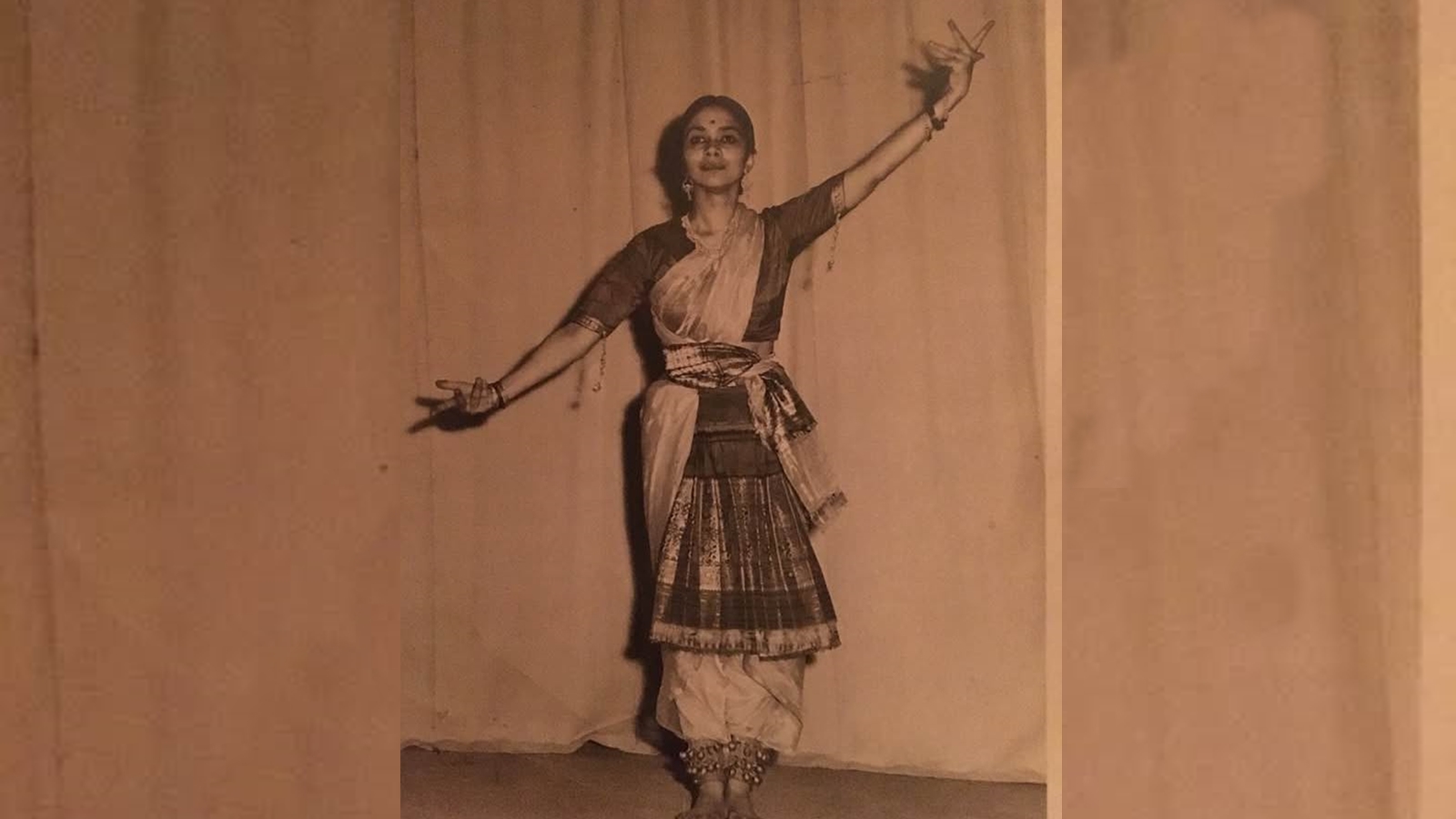
The life of Bharatanatyam exponent Indu Mitha was a saga of defying borders and religious divides. After marrying a Pakistani officer post-Partition, she spent seven decades preserving South Indian classical dance in Pakistan.
- Bharatanatyam exponent Indu Mitha passed away in Dublin at age 97.
- Defied family wishes to marry Pakistani officer Aboobaker Osman Mitha in 1951.
- Taught over 2,000 students, preserving Bharatanatyam in Pakistan for 70 years.
- Revolutionized the form by integrating Urdu poetry and North Indian music.
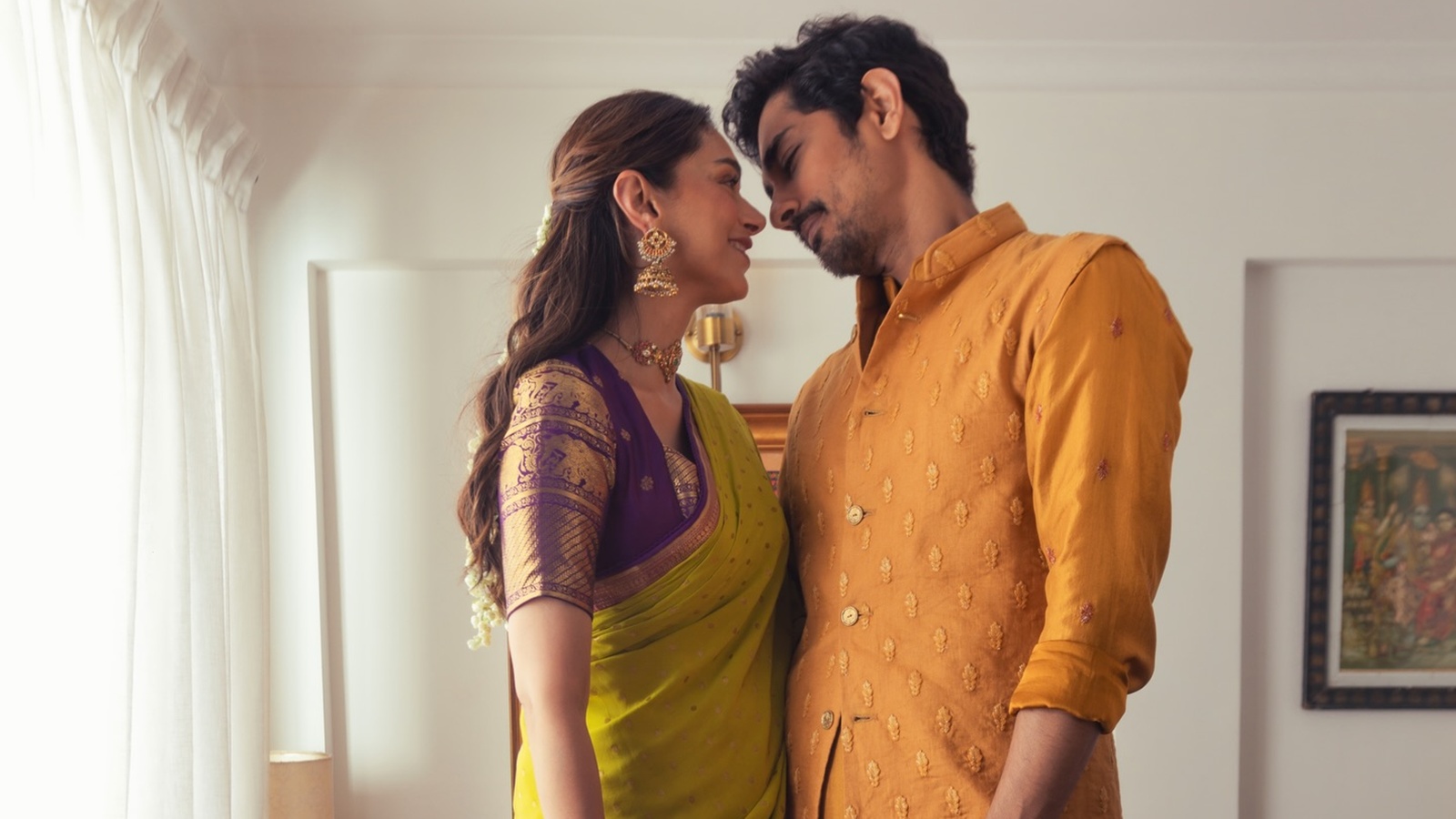
The life of Indu Mitha, the legendary Bharatanatyam exponent who recently passed away in Dublin at the age of 97, reads like a sweeping historical novel. Her journey was not merely about dance, but about navigating the complex emotional and political landscapes of a post-Partition subcontinent. In 1951, at the age of 22, Indu made a life-altering decision that would change the cultural fabric of Pakistan: she moved to Karachi to marry Aboobaker Osman Mitha, a Pakistani army officer.
The marriage was met with significant resistance from both sides due to religious and cultural differences. Indu’s family had migrated from Lahore to Delhi after the Partition, and her choice to marry into a Pakistani military family was seen as radical. However, her husband, who is celebrated as the 'Father of the SSG' (Special Service Group), remained her steadfast partner in this cultural odyssey.
A Cultural Pioneer in Unlikely Terrain
Indu Mitha brought with her an invaluable heritage: the classical dance form of Bharatanatyam. Having trained under the lineage of Rukmini Devi Arundale via Lalitha Shastry, she carried the sanctity of South Indian temples to the urban centers of Pakistan. From Karachi to Lahore and eventually Islamabad, she became a beacon for classical arts.
BozokMedia analysis shows that Indu's genius lay in her ability to adapt. Recognizing that she lacked fluency in Tamil or Sanskrit and that South Indian orchestras were unavailable, she pioneered a unique fusion. She set Urdu poetry—including the works of Faiz Ahmed Faiz—to Bharatanatyam rhythms, making the art form resonant with her local surroundings. This was a groundbreaking move that bridged the gap between South Indian tradition and North Indian literary aesthetics.
Indu Mitha’s greatest contribution was providing a window to classical dance for young girls in Lahore who had no other access to such training.
Surviving the Shadows of Conservatism
The 1980s, under the regime of General Zia-ul-Haq, presented the most significant threat to the arts. As the state moved toward a more conservative Islamic identity, dance became a marginalized activity. Yet, Indu refused to let the flame die. She continued to teach privately, ensuring that the discipline was passed down to her disciples, including her daughter, the renowned choreographer Tehreema Mitha.
Even when faced with logistical hurdles—such as having to sweep the stage themselves for her daughter's 1986 arangetram due to lack of institutional support—Indu’s resilience remained unshaken. She also expanded the emotional repertoire of Bharatanatyam, moving away from traditional mythological themes to portray complex, modern female characters.
Frequently Asked Questions
1. How did Indu Mitha influence the dance landscape in Pakistan?
She trained over 2,000 students and integrated Urdu poetry into Bharatanatyam, creating a unique cultural synthesis that survived decades of political conservatism.
2. What was her connection to the Kalakshetra tradition?
She studied under Lalitha Shastry, who was part of the first batch of Kalakshetra, connecting Indu directly to the legacy of Rukmini Devi Arundale.