The Delhi Contemporary Art Week (DCAW) shifts the lens from monuments to the raw, everyday reality of the capital. Through diverse installations, artists explore labor, surveillance, and urban identity.
- DCAW features works from six prominent Delhi-based galleries.
- The exhibition focuses on lived experiences rather than architectural landmarks.
- Themes include urban surveillance, the invisibility of labor, and domestic solitude.
For most, Delhi is a collection of grand monuments and sprawling master plans. However, the Delhi Contemporary Art Week (DCAW), hosted at Bikaner House, offers a radical departure from this sanitized imagery. Instead of the capital's postcard-perfect vistas, the exhibition presents Delhi as a complex, breathing ecosystem shaped by its people.
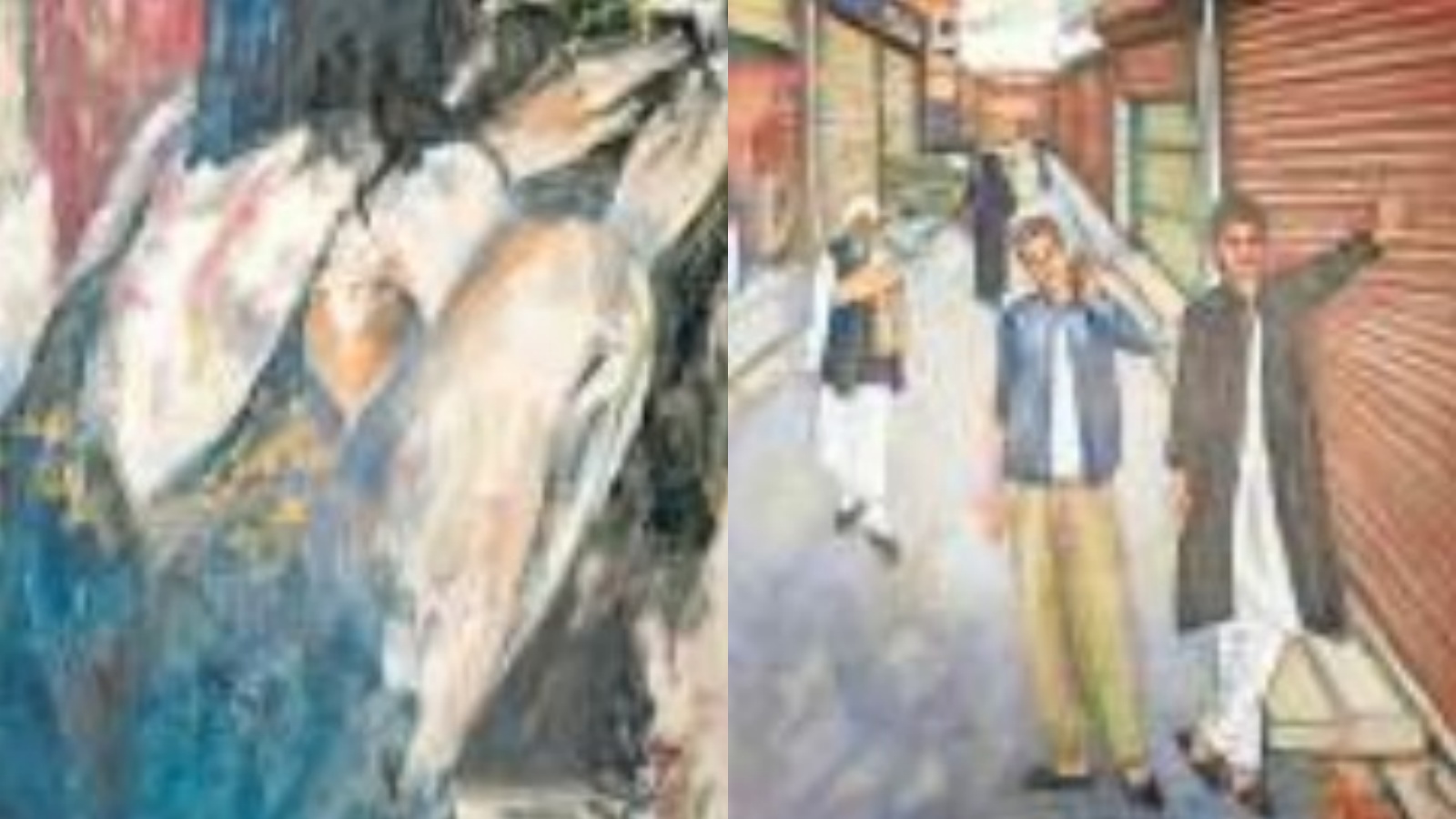
At the heart of this year's showcase is Shoenize Akhtar’s ‘Galli Ke Ladke’. The work captures the mundane yet profound presence of young men in urban lanes—figures often ignored by the rushing masses. Akhtar emphasizes that her work is less about narrative and more about the visceral feeling of encountering these individuals in their natural habitat.
Why This Matters
BozokMedia analysis shows that contemporary art in India is increasingly moving toward socio-political commentary. By focusing on the 'unseen' elements of urban life, DCAW provides a critical mirror to the rapid development and shifting social structures of modern metropolitan cities.
The exhibition also delves into the darker nuances of urbanity. Ritika Sharma’s ‘Getting Away’ series utilizes a perspective reminiscent of CCTV surveillance, questioning the increasing gaze of control in modern cities. Complementing this is B. Pradhan’s sculptural installation, ‘Theatre of Labour’, which brings much-needed visibility to the indispensable yet overlooked workforce that keeps the city running.
Art serves as a vital bridge between the grand narrative of a city and the micro-realities of its inhabitants.
On a more intimate level, Shreeya Dwivedi’s ‘Under the Sink’ explores the psychological weight of domesticity and the solitude of living alone in a vast metropolis. This is contrasted by Astha Butail’s ‘Self Series’, which uses hexagonal mirrors to reflect the fragmented and shifting identities individuals adopt as they navigate the complexities of urban life.
Frequently Asked Questions
1. What makes DCAW different from traditional art fairs?
DCAW focuses on the contemporary lived experience of the city, prioritizing social themes and everyday life over purely aesthetic or historical subjects.
2. Where is the exhibition held?
The exhibition is held at Bikaner House, a prominent cultural hub in New Delhi.