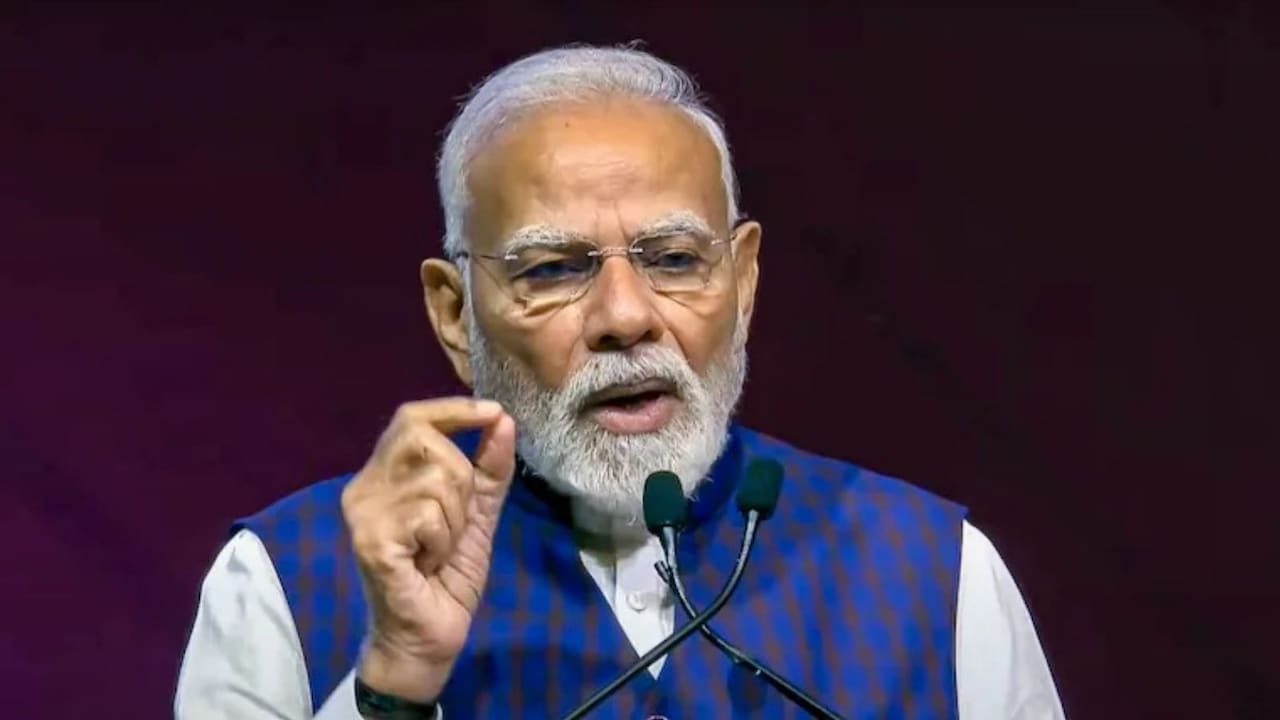
Mumbai-based anonymous street artist Tyler's stencil featuring PM Modi and top industrialists has become a viral symbol of dissent during national protests against NEET paper leaks.
Key Takeaways
- Artist Tyler's stencil has become a visual centerpiece for NEET exam leak protests.
- The artwork depicts PM Narendra Modi alongside industrialists Gautam Adani and Mukesh Ambani.
- The artist has made prints free on Instagram to empower protesters.
In the wake of the massive NEET examination paper leak controversy, a new visual language has emerged on the streets of India. While protests have been led by various groups, the Gen Z demographic has increasingly turned to art to voice their discontent against the Bharatiya Janata Party (BJP) and the central government.
The Symbolism of Power
At the heart of this movement is a provocative stencil created by the anonymous Mumbai-based artist known as Tyler. The artwork depicts Prime Minister Narendra Modi flanked by prominent industrialists Gautam Adani and Mukesh Ambani. This piece, which has been seen widely at Jantar Mantar in New Delhi, aims to question the intersection of high-level politics and massive corporate interests.
"Street art has always been more than decoration. It gives ordinary people a visual language to question authority and reclaim public space."
Why This Matters: BozokMedia Analysis
BozokMedia analysis shows that street art serves as a decentralized medium of communication that bypasses traditional media gatekeepers. In an era of digital saturation, a physical stencil on a wall, once captured and shared on social media, creates a bridge between physical protest and digital activism. Tyler's work illustrates how a single image can transition from an artistic expression to a functional tool for political movements.
Historical Context of Street Art as Dissent
Street art has a long history of being used as a tool for social change. From the murals of political revolutions to the modern-day stencils of 'Banksy', artists have used public walls to challenge dominant narratives. Tyler, active since 2012, has consistently used the urban landscape to spark conversations about the state of democracy.
Frequently Asked Questions
Why does Tyler remain anonymous?
Tyler prefers to keep their identity separate so that the message and the idea can speak for themselves without personal distraction.
How can protesters access the art?
To support the movement, Tyler has made the stencil prints available for free on their Instagram handle.