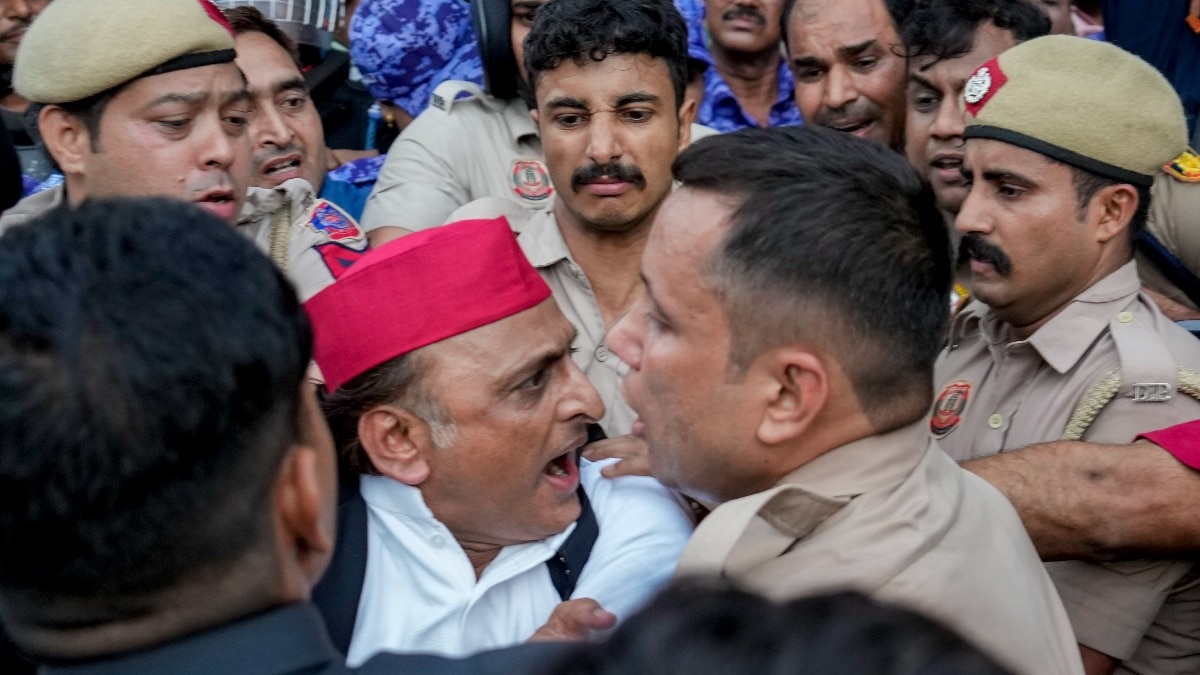
Samajwadi Party chief Akhilesh Yadav has turned three key venues in New Delhi into a coordinated campaign platform. The move aims to solidify his party’s appeal to youth ahead of the crucial 2027 Uttar Pradesh assembly polls.
Key Takeaways
- Akhilesh Yadav leveraged Jantar Mantar, Parliament, and the PM’s residence area as three campaign stages
- The strategy targets young voters across caste lines
- Goal: to convert the momentum into votes in the 2027 UP assembly election
Sequenced Use of Three Platforms
In a span of a few days, Samajwadi Party (SP) chief Akhilesh Yadav turned New Delhi’s three most politically visible sites into a single, sequenced message. The first stage was Jantar Mantar, where his wife Dimple Yadav repeatedly met student activists and highlighted alleged exam‑paper leaks.
The second stage unfolded inside the Parliament’s Lok Sabha, where Yadav raised the same issues—paper leaks, unemployment and police action—directly against the ruling BJP, linking them to a broader narrative of governmental failure.
The third and unexpected stage occurred outside Prime Minister Narendra Modi’s official residence at 7, Lok Kalyan Marg. Yadav joined Congress leaders Rahul Gandhi, Priyanka Gandhi Vadra and others in a sit‑in that ended with their detention by Delhi police.
Historical Background
Opposition protests across Delhi in 2025‑2026 over NEET paper leaks and recruitment irregularities created a fertile ground for parties to claim the youth’s trust. The SP’s alignment with the CJP’s agitation positioned it as a champion of student grievances.
Why This Matters
BozokMedia analysis shows that the coordinated use of three high‑visibility platforms amplifies the party’s narrative, directly targeting the youth demographic that traditionally decides Uttar Pradesh’s electoral outcomes.
"Akhilesh Yadav’s three‑stage approach is a classic opposition playbook, creating a unified front that resonates with the electorate," says political strategist Dr. Ramesh Singh.
Frequently Asked Questions
Q1: Will this three‑stage strategy influence the Uttar Pradesh election outcome?
A: Analysts believe that heightened youth engagement could tilt the balance in SP’s favour, especially if the party successfully ties local grievances to its national narrative.
Q2: Are other opposition parties employing similar multi‑stage tactics?
A: While Congress and allied blocs also use high‑profile venues for protests, SP’s systematic sequencing gives it a distinct strategic edge.