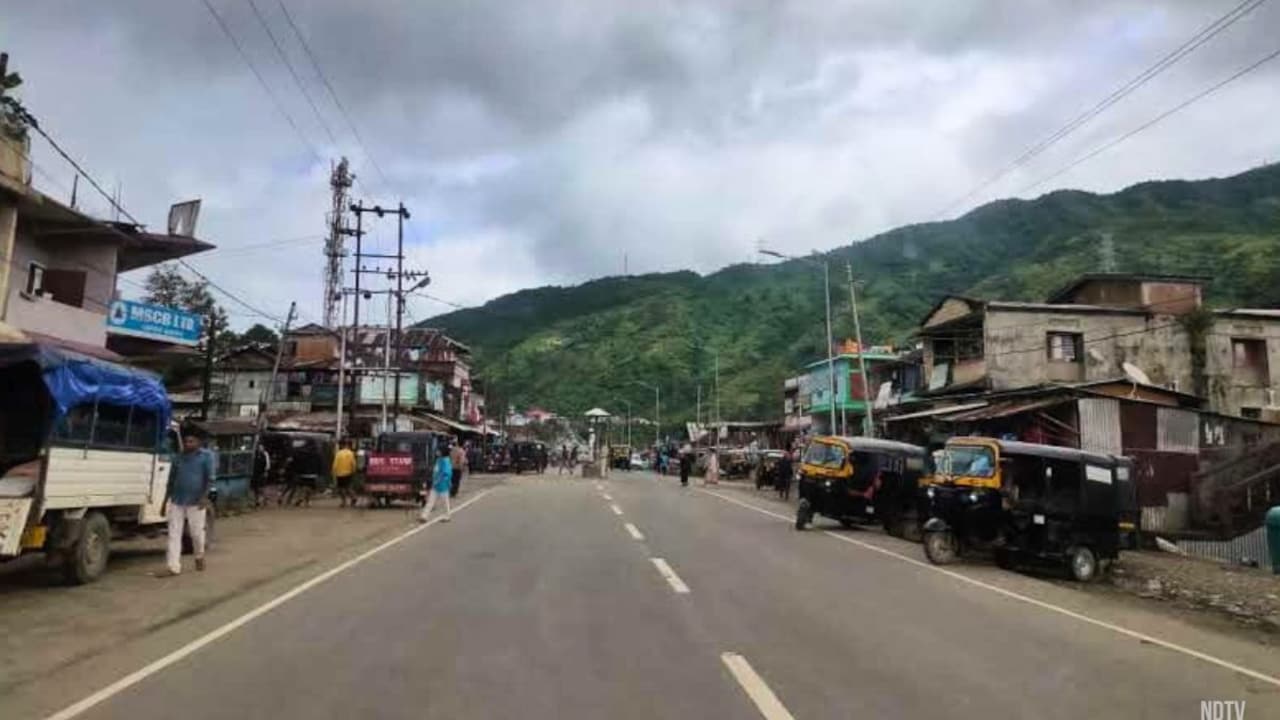
A long‑standing highway extortion racket in Manipur predates the May 2023 ethnic clashes and operates under the guise of statehood. Its deep roots reveal a crisis that goes far beyond communal violence.
Key Takeaways
- Extortion network has operated for decades
- Insurgent groups mask it as a statehood initiative
- Ethnic conflict is a symptom, not the cause
In Manipur, insurgent factions have built a coercive system cloaked in the language of statehood, long before the ethnic violence erupted in May 2023. The recent clashes have merely shone a brighter light on an already entrenched problem.
The racket primarily targets national highways, demanding hefty payments from truckers and transport companies, often backed by threats or outright violence. This economic pressure cripples local commerce and hampers the flow of goods across the region.
Historical Background: Since the early 1990s, various anti‑state groups in Manipur have relied on similar models to fund their operations. Over time, these schemes grew more organized and armed, outpacing the capacity of state security forces to dismantle them.
Why This Matters
BozokMedia analysis shows that such economic intimidation not only drains the regional economy but also fuels underlying social tensions, creating a volatile backdrop for ethnic unrest.
"The highway extortion network is deeply entrenched, and dismantling it requires comprehensive security reforms," says security analyst Dr. Ajay Singh.
Frequently Asked Questions
Question 1: Has the government launched a specific plan to break this racket?
Answer: Multiple security operations are underway, but a definitive solution remains pending.
Question 2: How severe is the economic impact of the extortion?
Answer: Estimates suggest losses running into millions of dollars annually for transport operators and local businesses.

:max_bytes(150000):strip_icc()/GettyImages-1256025701-b5a4e630a43f4ccf967d383531c5710b.jpg)
