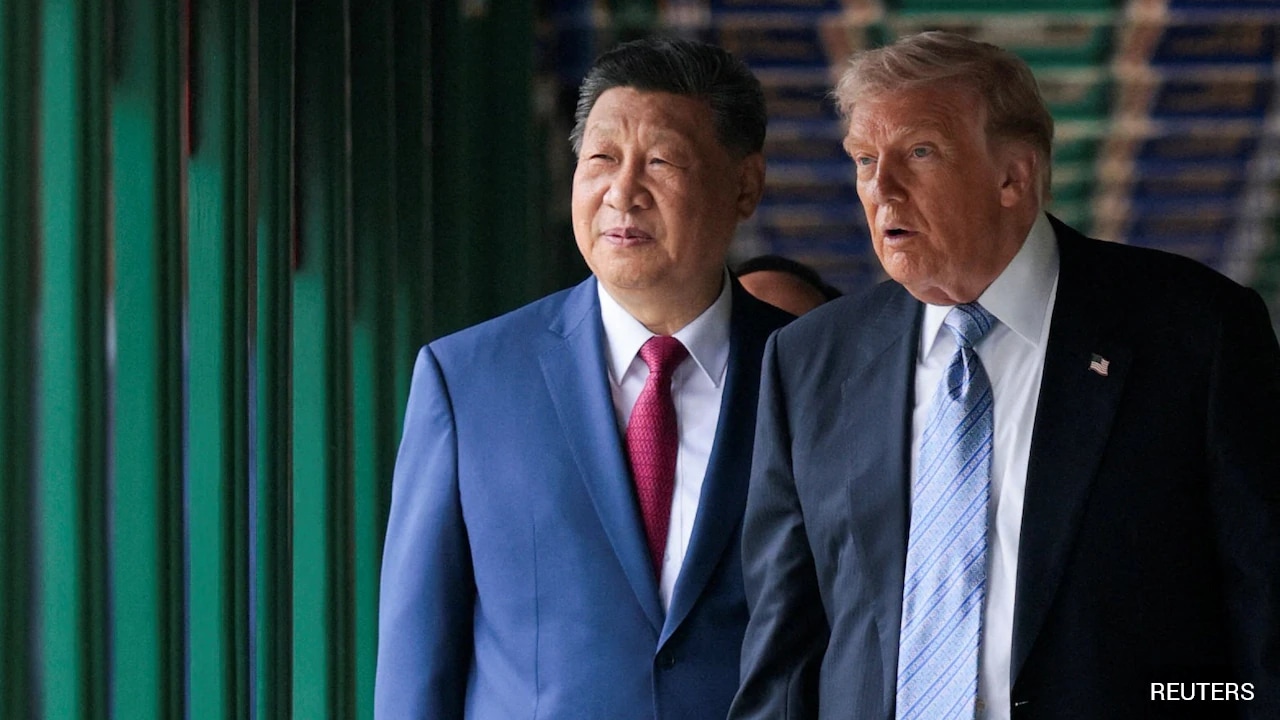
U.S. President Donald Trump confirmed that Chinese President Xi Jinping will travel to the United States on September 24 to hold talks on artificial intelligence. The meeting is expected to shape future tech cooperation and competition between the two powers.
Key Takeaways
- Xi Jinping will visit the United States on September 24
- Main agenda: discussion on artificial intelligence (AI)
- The meeting could shift the US‑China tech rivalry dynamics
Donald Trump announced on Thursday that he will personally welcome President Xi Jinping on September 24 and engage in detailed AI discussions. The statement instantly made headlines worldwide.
Artificial intelligence has become a strategic priority for both superpowers. The United States and China are pouring massive resources into AI research, positioning the technology as a cornerstone of future economic and military strength.
While numerous high‑level dialogues have taken place over the years, a direct focus on AI at the presidential level is unprecedented, signaling a potential new chapter of bilateral cooperation.
Historical Background
The US‑China AI rivalry intensified in the 2010s, with both nations unveiling national AI strategies in 2017. Since then, research output, patent filings, and private‑sector investment have surged, often fueling trade restrictions and export controls.
Why This Matters
BozokMedia analysis shows that this meeting could pave the way for joint standards, data‑sharing protocols, and ethical AI frameworks, reshaping the global tech landscape.
"The future of AI is as much about policy as it is about technology; high‑level bilateral talks are decisive," says tech analyst Anna Leon.
Frequently Asked Questions
Question 1: What are the primary topics expected for the visit?
Answer: Discussions are likely to cover AI research collaboration, data‑security standards, and strategic agreements to manage tech competition.
Question 2: How could this affect global AI standards?
Answer: A successful dialogue could establish a bilateral framework that brings stability to international AI regulation and sets precedents for other nations.