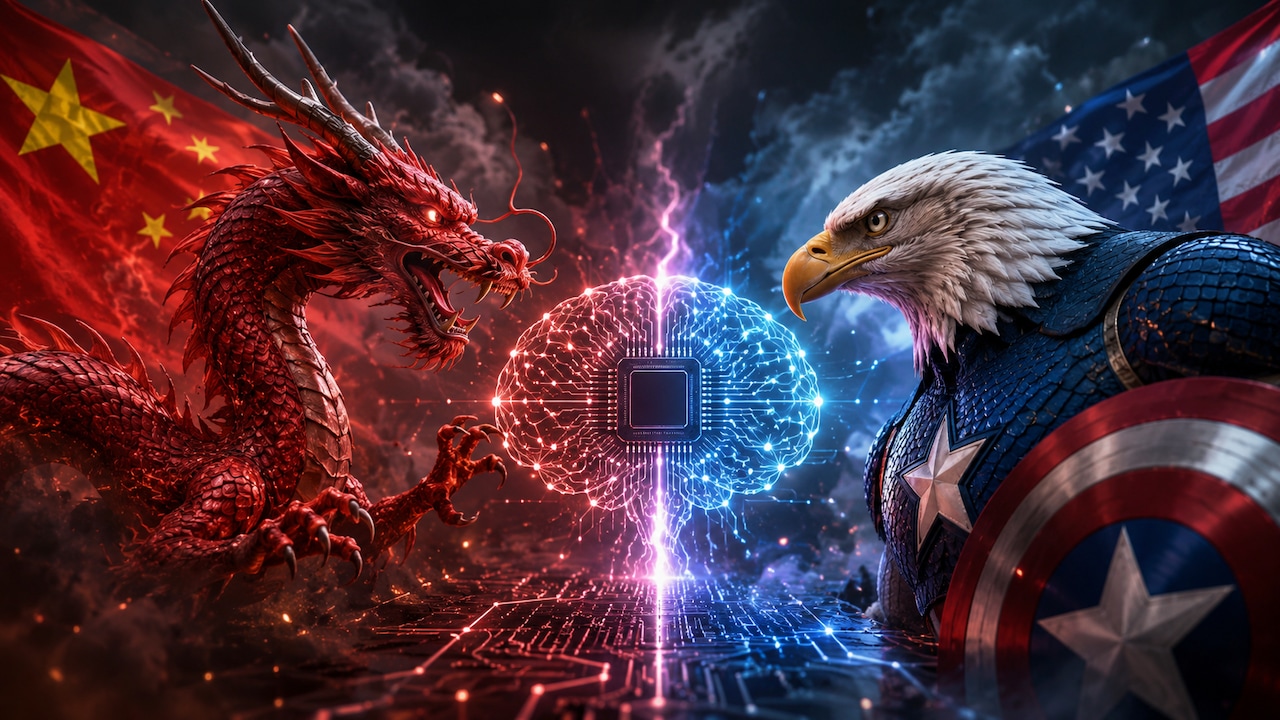
The White House says Moonshot AI distilled Anthropic’s Fable to build its K3 model. The claim could intensify the growing AI rivalry between Washington and Beijing.
Key Takeaways
- The US alleges Moonshot AI used Anthropic’s Fable model for its K3 system
- Distillation is said to have accelerated AI capability growth
- The accusation may deepen existing US‑China tech tensions
Michael Kratsios, director of the White House Office of Science and Technology Policy (OSTP), stated that “we have information that Moonshot AI distilled Anthropic’s Fable for the development of its K3 model.” The remark underscores Washington’s heightened scrutiny of China’s rapid advances in artificial intelligence.
Historical Background
Over the past decade, the United States and China have been locked in a fierce competition to dominate AI research, talent, and commercial deployment. Both nations unveiled national AI strategies in 2019, and disputes over intellectual property, data access, and model ownership have become routine. Moonshot AI, a Chinese startup, attracted significant venture capital last year and is known for pushing large‑scale generative models.
Why This Matters
BozokMedia analysis shows that if Moonshot AI indeed leveraged Anthropic’s proprietary Fable model, it could shortcut years of research, giving China a strategic edge in generative AI markets and potentially reshaping global tech supply chains.
"Model distillation across borders raises both ethical and security concerns that policymakers cannot ignore," says Dr. Lina Chen, AI policy researcher at the Institute for Technology Futures.
Frequently Asked Questions
Q1: Has Moonshot AI officially confirmed using Anthropic’s model?
**A:** The claim is based on intelligence reports; Moonshot AI has not publicly responded.
Q2: What could this dispute mean for US‑China tech relations?
**A:** It may lead to tighter export controls and reduced collaboration on AI research between the two powers.

:max_bytes(150000):strip_icc()/GettyImages-1256025701-b5a4e630a43f4ccf967d383531c5710b.jpg)
