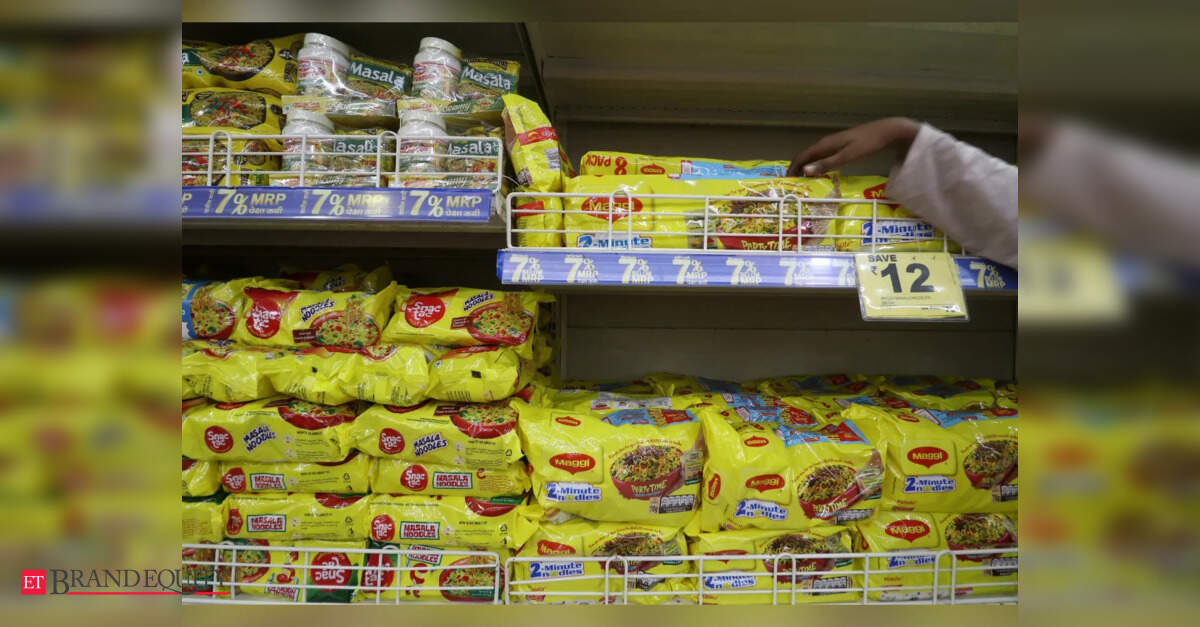
Nestle India announced a 48% jump in quarterly profit, powered by soaring demand for flagship products like Maggi, KitKat and Nescafe. The surge also pushed revenue up 25%, underscoring the company's market leadership amid tight FMCG margins.
Key Takeaways
- Nestle India reports a 48% profit increase
- Strong demand for Maggi, KitKat and Nescafe drives 25% revenue growth
- Peers face cost pressures and pricing challenges
Key Figures
For the quarter ending June 30, Nestle India posted a net profit of ₹9.75 billion (≈ $101.1 million), up from ₹6.59 billion a year earlier. Operating revenue rose 25% to ₹63.78 billion, reflecting robust consumer appetite for its core brands.
Historical Background
Since its entry into India in the 1970s, Nestle has built a deep‑rooted presence, launching Maggi in 1983 and subsequently expanding its portfolio with KitKat and Nescafe. These brands have become household staples, helping the company weather past market fluctuations.
Industry Impact
The results set a benchmark for Indian FMCG players, with rivals like Godrej Consumer Products and Dabur India grappling with rising input costs and the need for selective price hikes to preserve margins.
Why This Matters
BozokMedia analysis shows that Nestle’s performance highlights a new equilibrium between brand loyalty and price sensitivity in India, a factor that will shape investor sentiment and strategic planning across the sector.
"Nestle’s strong brand portfolio combined with disciplined cost management has delivered an exceptional profit surge this quarter," says finance analyst Anjali Sharma.
Comparison Table
| Company | Revenue Growth | Net Profit (₹ bn) |
|---|---|---|
| Nestle India | 25% | 9.75 |
| Godrej Consumer Products | 12% | 4.3 |
| Dabur India | 9% | 3.8 |
Frequently Asked Questions
- Is Nestle’s profit growth uniform across India? No, demand varies by region, but the strongest growth is observed in major urban markets.
- Can this profit momentum be sustained? Analysts believe continued innovation and balanced pricing can keep the growth trajectory alive.