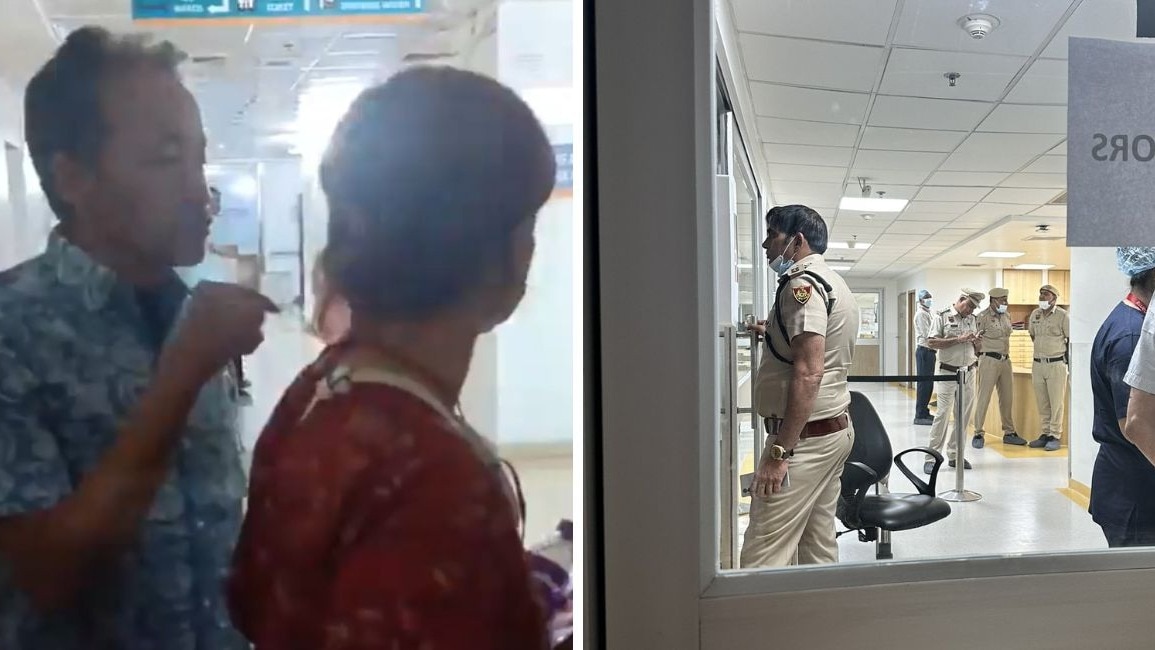
What began as a NEET exam protest at New Delhi’s Jantar Mantar has grown into a massive youth movement tackling education, unemployment, and environmental neglect. The crowd’s voices reverberate, but will they finally be heard?
Key Takeaways
- NEET exam protest escalates at Jantar Mantar
- Protesters organize self‑cleanup and food distribution
- Calls for systemic change resonate across India
Scale of the Demonstration
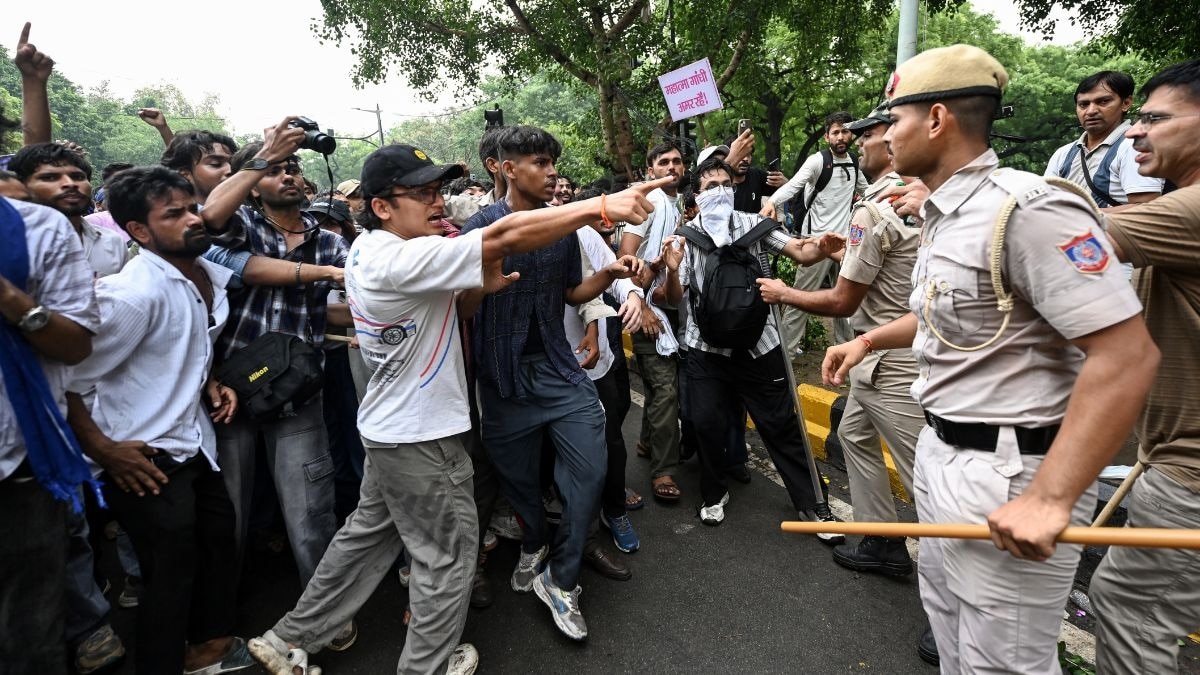
What started as a NEET‑related rally in New Delhi’s historic Jantar Mantar has morphed into a sprawling, inter‑generational protest. Damp T‑shirts, spoiled rajma‑rice, and the smell of disinfectant mingle with the sweat of thousands who have been living, eating and sleeping on the site for days.
Grassroots Initiatives
Among the crowd, volunteers like 25‑year‑old Soumya from Dwarka take on cleaning and food‑distribution tasks. "We are here to protest, not litter," she says, as she picks up trash, hands out water, bananas, and Parle‑G biscuits, and watches a man carry two metal containers of khichdi to hungry participants.
Digital Documentation
Every moment is being broadcast on Instagram Live, YouTube, and personal phones. The camera is no longer a passive observer; it has become a primary instrument of the protest, amplifying each voice.
Why This Matters
BozokMedia analysis shows that the movement is not merely about an exam—it fuses education, unemployment, air‑pollution, and police violence into a single lived experience of institutional neglect.
"The Jantar Mantar sit‑in is a living map of social discontent," says Dr. Anshu Gupta, professor of sociology.
Frequently Asked Questions
Q1: Is any political party officially backing the protest?
A: The movement is currently framed as an independent, non‑party citizen uprising, though various groups have expressed support.
Q2: What are the primary demands of the demonstrators?
A: Reform of the examination system, creation of job opportunities, improvement of air quality, and accountability for police misconduct.