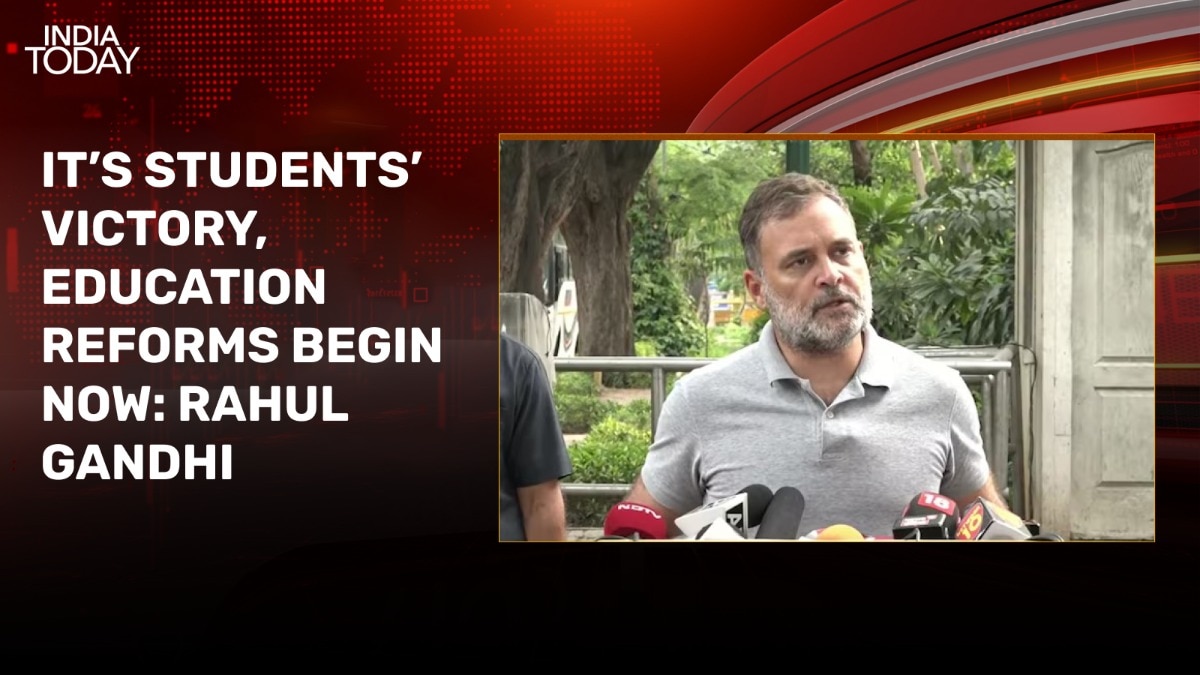
The 37‑day student protest at Jantar Mantar over the NEET paper leak concluded after three rounds of talks. The government accepted all CJP demands, bringing the standoff to a close.
Key Takeaways
- NEET paper leak protest lasted 37 days
- Three rounds of talks between government and protesters
- Government accepted all CJP demands, ending the protest
Historical Background
In early 2024, a leak of NEET exam papers sparked nationwide outrage among students. The breach led to a massive sit‑in at Delhi's Jantar Mantar, lasting 37 days, with demands for transparent exam processes and stronger student welfare measures.
The protest attracted support from various civil society groups, turning it into a national conversation about educational integrity and reform.
Why This Matters
BozokMedia analysis shows that the swift resolution underscores the government's responsiveness to student unrest, setting a precedent for future educational reforms and highlighting the power of peaceful protest in shaping policy.
"Open dialogue between authorities and student leaders is essential to defuse prolonged protests," said education policy expert Dr. Anil Mehta.
Frequently Asked Questions
Question 1: Has the government fulfilled all CJP demands?
Answer: Yes, the government has accepted the key reforms proposed by the CJP, including enhanced exam security and student assistance schemes.
Question 2: What steps will be taken to prevent future leaks?
Answer: The Ministry of Education announced a new digital security framework aimed at strengthening the protection of examination materials.