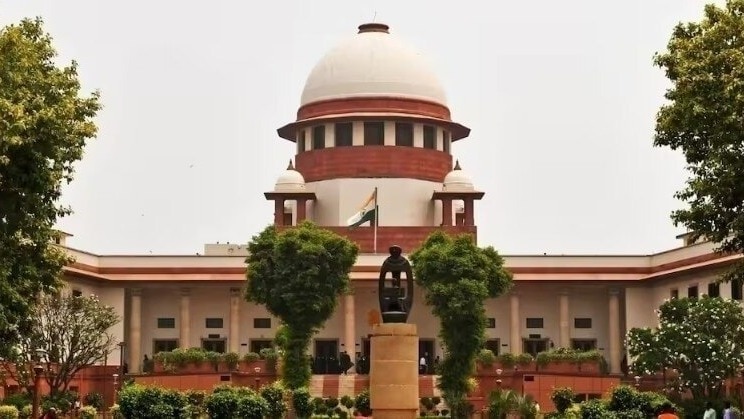
The Supreme Court has issued an interim order prohibiting any extraction, editing, reposting or monetisation of audio‑video recordings of judicial proceedings without prior permission. The move aims to prevent courts from becoming a round‑the‑clock entertainment channel.
Key Takeaways
- Unauthorized sharing of court hearing videos is prohibited.
- Editing, reposting, and monetising such content requires prior court approval.
- All High Courts and major social platforms have been served notice.
Observing that courts cannot function as a 24x7 entertainment channel, a bench comprising Chief Justice of India Surya Kant, Justice Joymalya Bagchi and Justice V Mohan passed an interim direction while hearing a public‑interest litigation filed by journalist Harshita Grover.
The order states: "There shall be no extraction, modification, dissemination, posting, re‑posting, uploading or monetisation of audio/video recordings of the judicial proceedings on social media or other digital platforms without the prior permission of the Registrar General of the concerned High Courts or the Secretary General of the Supreme Court."
Why This Matters
BozokMedia analysis shows that uncontrolled clips can distort public perception of the judiciary, leading to mistrust and potential manipulation of legal outcomes.
"Strict rules are essential to curb digital misuse of courtroom footage," senior advocate Vikas Singh remarked.
The bench also directed all High Courts to submit reports on the adoption of the Supreme Court's model livestreaming guidelines and to assess the impact of continuous livestreaming. Notices were issued to major intermediaries such as Meta and X.
Frequently Asked Questions
Q1: Does this ban halt all livestreaming of court proceedings?
A: No, the ban targets unauthorized sharing, editing, and monetisation of clips, not the livestream itself.
Q2: What penalties apply for non‑compliance?
A: Violators may face legal action, including fines and possible injunctions against further distribution.
