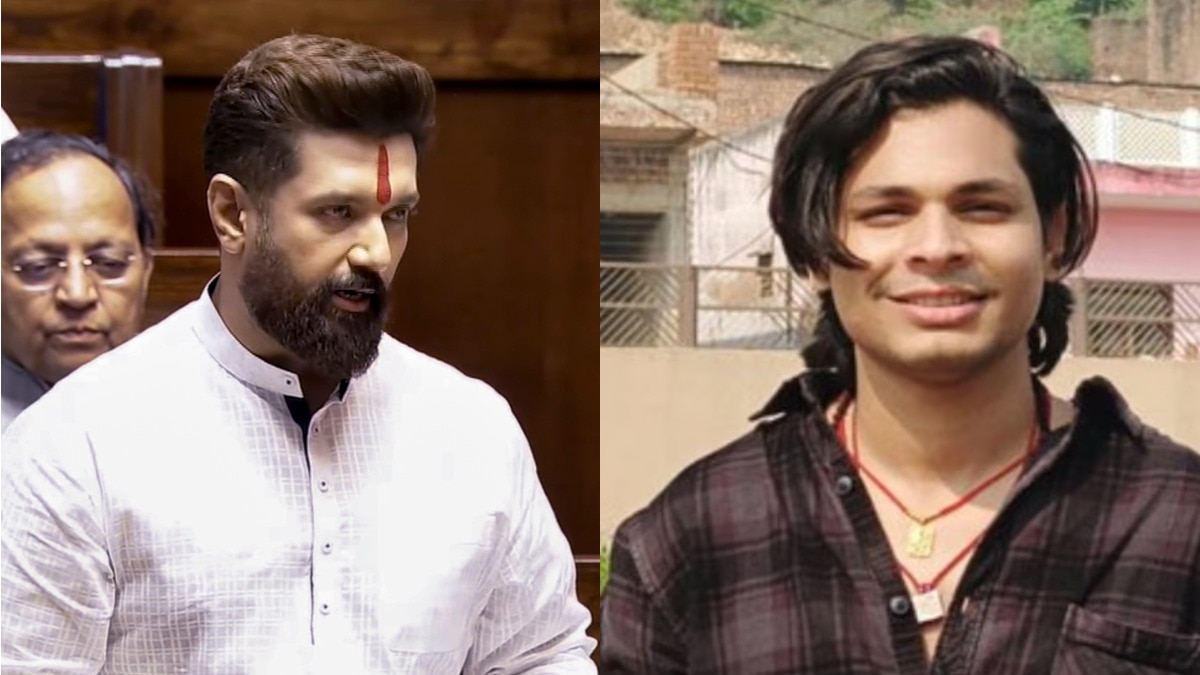
The United Nations has voiced support for the peaceful student demonstrations in New Delhi over the exam paper leak controversy. The statement follows Education Minister Dharmendra Pradhan’s resignation and heightened calls for systemic education reforms.
Key Takeaways
- UN acknowledges and supports peaceful protests
- Education Minister resigns amid crisis
- Several protesters injured during clashes
The United Nations announced that it is "aware" of the student demonstrations in New Delhi and stressed that individuals must be allowed to protest peacefully without fear of harassment, arrest, or injury. The comment was made by UN spokesperson Stephane Dujarric on Friday, as the nation grappled with the fallout from the NEET exam paper leak.
India’s Education Minister Dharmendra Pradhan resigned on Saturday after weeks of escalating protests. The movement, led by the satirical collective Cockroach Janta Party (CJP), quickly transformed into a nationwide demand for education reforms and accountability.
Historical Background
The protests began on June 20 at Jantar Mantar, after a May leak of the NEET exam paper forced roughly two million candidates to sit for a retest. Reports of student suicides across several states amplified public outrage, prompting calls for systemic change.
Why This Matters
BozokMedia analysis shows that the UN’s endorsement of peaceful protest adds international pressure on India to address systemic flaws in its examination and education oversight mechanisms.
"UN backing of peaceful dissent sends a powerful signal that democratic freedoms must be protected, even in times of crisis," said political analyst Dr. Maya Patel.
Frequently Asked Questions
Q1: Will the UN’s statement influence India’s internal policies?
A: It raises international scrutiny, but substantive change will depend on domestic political will.
Q2: Are new measures being considered to prevent future exam leaks?
A: Experts advocate for enhanced security protocols and transparent oversight mechanisms for examinations.