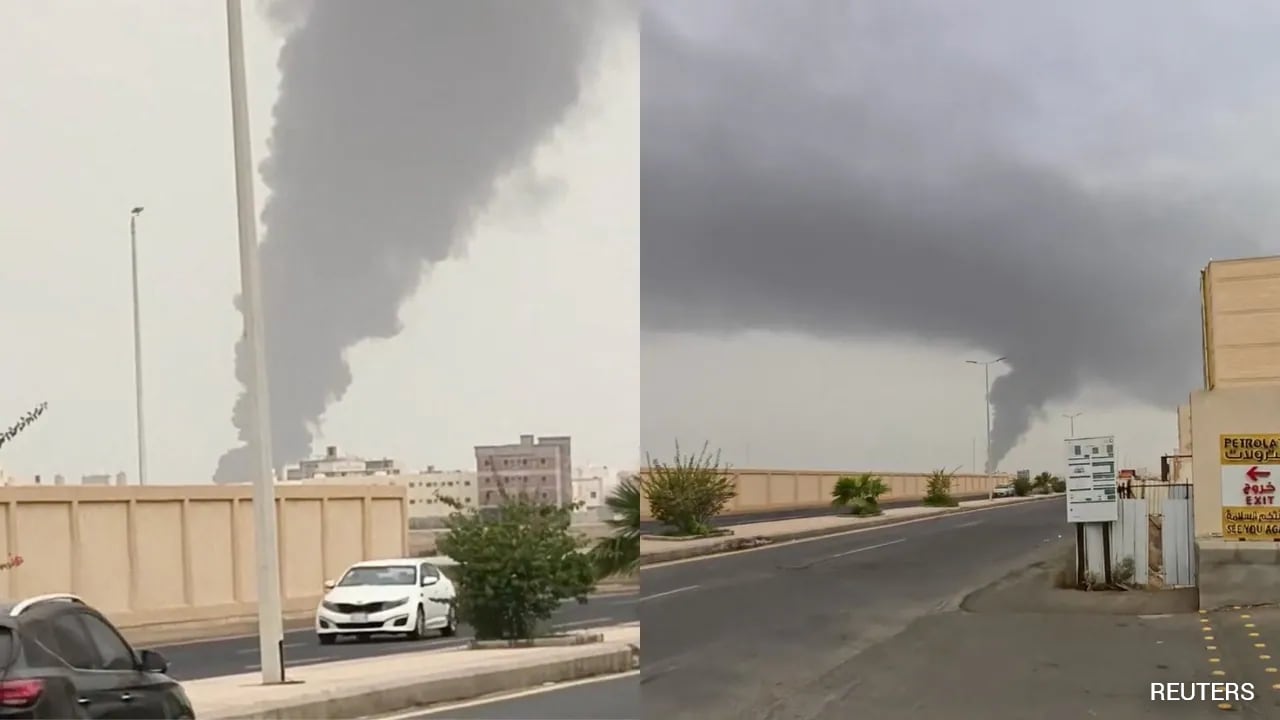
The Houthi rebels claimed missile strikes on Saudi Aramco facilities in Jizan and Yanbu, while the United States refrained from a retaliatory strike on Iran for the first time in two weeks. No Iranian retaliation was reported on Saturday.
Key Takeaways
- Houthi rebels claim to have hit Aramco facilities in Jizan and Yanbu.
- The United States refrains from striking Iran for the first time in two weeks.
- No Iranian retaliation reported on Saturday.
On Saturday, the Yemen‑based Houthi movement announced that its missiles struck two sites belonging to Saudi Arabia’s state oil giant, Saudi Aramco, in the coastal cities of Jizan and Yanbu.
U.S. officials confirmed that, despite mounting pressure, the Pentagon has not launched a retaliatory strike against Iran – a restraint not seen in the preceding fourteen days.
Why This Matters
BozokMedia analysis shows that the dual escalation could destabilize global oil markets and signal a shift in U.S. Middle‑East engagement strategy.
“The restraint shown by Washington may be an attempt to avoid a broader regional conflagration,” said Dr. Lena Patel, senior security analyst at the International Institute for Strategic Studies.
Historical Background
The Houthis have been firing rockets at Saudi infrastructure since 2015, escalating their campaign after Saudi‑led coalition forces intervened in Yemen’s civil war. In recent months, Iran‑backed proxies have repeatedly targeted oil installations, prompting the United States to conduct a series of retaliatory strikes.
Frequently Asked Questions
- What was the extent of damage at the Aramco sites? Initial reports suggest limited operational disruption, with no casualties reported.
- Why did the U.S. hold back a strike on Iran? Analysts cite diplomatic channels, concerns over oil price volatility, and the desire to prevent further escalation.