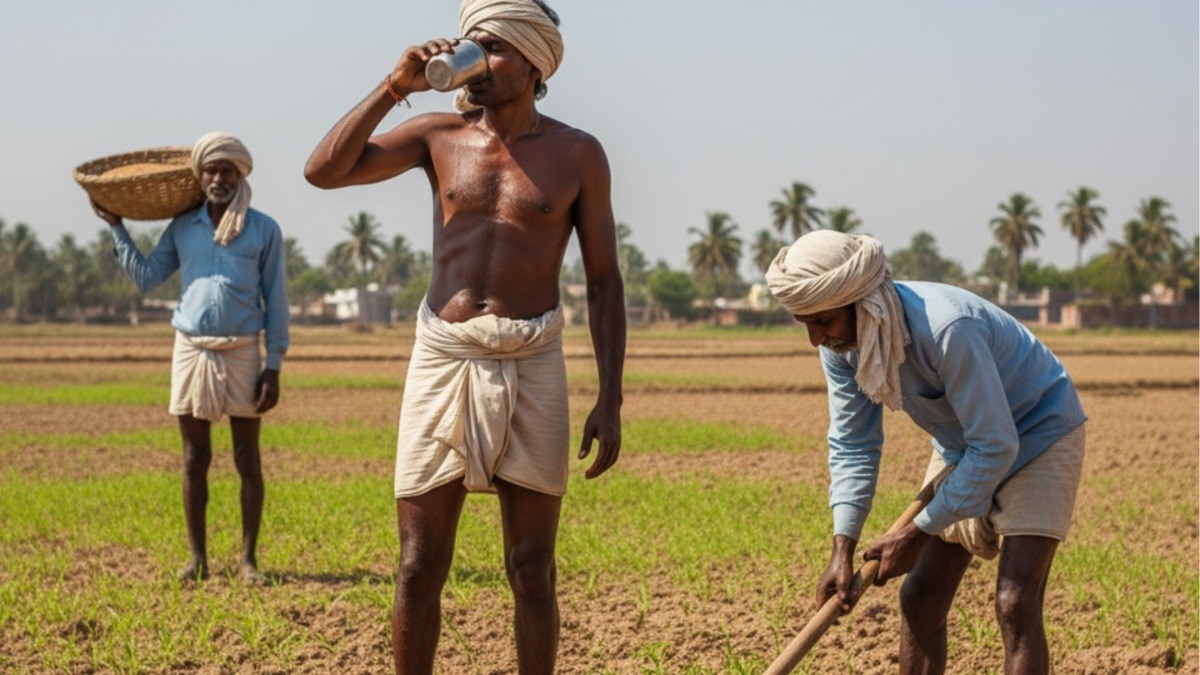
Handloom weavers in Erode have urged the state government to raise wages, allowances and pensions. They plan simultaneous protests on July 30 in Bhavani, Sivagiri and Chennimalai.
Key Takeaways
- Weavers demand higher basic wages and dearness allowance.
- Increase monthly pension for workers over 60 from ₹1,200 to ₹6,000.
- Call for reduced raw‑material prices, higher rebates and government procurement of handloom cooperative output.
The district unit of the All India Trade Union Congress (AITUC)‑affiliated Handloom Weavers’ Union in Erode resolved at its July 25 conference in Sivagiri to stage demonstrations at Bhavani, Sivagiri and Chennimalai on July 30. The protest aims to press the state for concrete safeguards and welfare enhancements for the handloom sector.
Historical Background
India’s handloom industry, a centuries‑old cultural pillar, has been under siege from mechanised power‑loom production. In Tamil Nadu, artisans face shrinking incomes, inadequate pensions, and soaring raw‑material costs, pushing many families toward poverty.
Why This Matters
BozokMedia analysis shows that without timely wage and subsidy reforms, not only will the livelihoods of thousands of weavers deteriorate, but the country’s export‑oriented textile competitiveness will also suffer.
"If handloom weavers are not given proper economic security, an irreplaceable craft could vanish," says textile policy expert Dr. Ravindra Singh.
The union’s resolutions call for a revision of basic wages and dearness allowance in line with rising living costs, and an increase in the monthly pension for workers above 60 years from ₹1,200 to ₹6,000. They also demand stronger enforcement of the Handloom Reservation Act to stop power‑loom manufacturers from mislabeling their products as handloom, and a reduction in raw‑material prices.
Additional demands include: enhanced welfare assistance through the Tamil Nadu Handloom Workers’ Welfare Board, higher rebate rates on handloom textiles, government procurement of fabrics produced by handloom cooperatives, prompt release of rebate subsidies, democratic elections in cooperative societies, and regularisation of consolidated‑pay employees.
Frequently Asked Questions
Q1: Why is increasing the pension for senior weavers critical?
A1: Many senior artisans rely solely on the pension for basic needs, so a higher amount ensures dignified living in old age.
Q2: What policy steps can revitalize the handloom sector?
A2: Raising wages, cutting raw‑material costs, boosting rebates, and prioritising cooperative products in government purchases are proven measures.