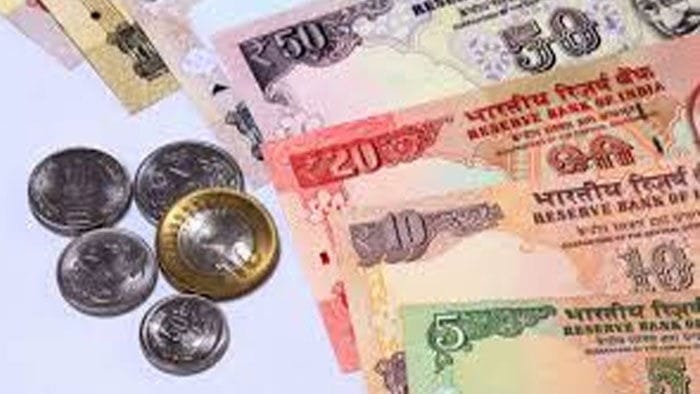
The Indian government has cleared the Reserve Bank of India's proposal to issue ₹10 and ₹20 polymer notes. A field trial of 100 crore notes per denomination will commence alongside existing paper currency. The new notes promise greater durability, cost savings, and stronger anti‑counterfeit measures.
Key Takeaways
- RBI receives government approval for ₹10 and ₹20 polymer notes.
- Field trial will involve 100 crore notes of each denomination.
- Polymer notes are longer‑lasting, cheaper to maintain, and harder to counterfeit.
Government Clearance and Implementation
Finance Minister Pankaj Chaudhary informed the Lok Sabha that the RBI submitted a proposal under Section 25 of the RBI Act, 1934, seeking permission to issue ₹10 and ₹20 polymer notes totaling 100 crore each. The central government has accepted the request, paving the way for a nationwide field trial.
Details of the Field Trial
During the trial, 100 crore notes of ₹10 and 100 crore notes of ₹20 will be circulated across diverse climatic zones. The trial will assess durability, public acceptance, and the performance of built‑in security features.
Key Advantages of Polymer Currency
Compared with paper notes, polymer notes have a significantly longer life span, reducing the frequency of printing and destruction costs. They also incorporate transparent windows and advanced security elements that make counterfeiting extremely difficult.
Historical Background
India has used paper money since the 1950s, while many countries switched to polymer in the early 2000s. The first Indian polymer experiment came in 2016 with enhanced security features on the ₹500 and ₹2000 notes, but a full‑scale rollout has not yet occurred. This approval marks a pivotal step toward a more resilient cash system.
Why This Matters
BozokMedia analysis shows that the introduction of polymer notes could save the government up to ₹1,500 crore annually in printing and destruction costs, while also strengthening anti‑counterfeit measures across the nation’s vast cash economy.
"Polymer notes’ extended lifespan and sophisticated security features will provide much‑needed stability to India’s financial infrastructure," says finance expert Dr. R. Singh.
Frequently Asked Questions
Q1: Will existing paper notes be withdrawn immediately?
A: No, paper notes will continue to circulate alongside polymer notes.
Q2: How will the public adapt to the new notes?
A: The RBI will launch an extensive awareness campaign to educate citizens on the new designs and security features.