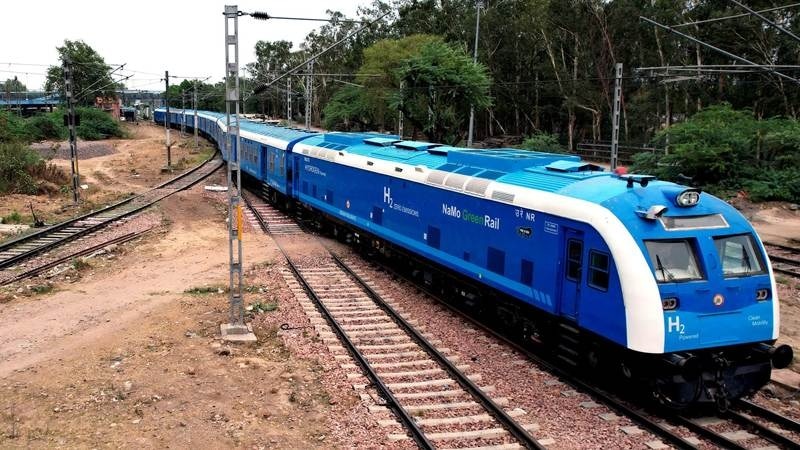
India’s first hydrogen‑powered train has logged 1,200 km, cutting 3,200 liters of diesel, and is now gearing up for its inaugural run on the Delhi‑Kolkata corridor. The milestone accelerates the country’s green‑transport agenda.
Key Takeaways
- Hydrogen train has traveled 1,200 km
- Saved 3,200 liters of diesel fuel
- Plans to operate on the Delhi‑Kolkata route
India’s pioneering hydrogen‑fuelled train has successfully completed a 1,200‑kilometer trial, resulting in a diesel‑fuel saving of 3,200 liters. This achievement marks a major step toward integrating renewable energy into the nation’s rail network.
By using hydrogen as a clean energy source, the train emits zero greenhouse gases, while the diesel saved translates into lower operating costs and a tangible environmental benefit.
Project officials confirm that regulatory clearances and infrastructure upgrades are underway to launch the service on the high‑traffic Delhi‑Kolkata corridor, promising a greener commuting option for the capital.
Why This Matters
BozokMedia analysis shows that scaling hydrogen rail technology could reduce India's rail‑sector CO₂ emissions by up to 30 % within the next decade, aligning with the nation’s 2070 net‑zero pledge.
"Hydrogen trains not only protect the environment but also steer India toward technological self‑reliance," said the Minister of Environment.
| Scenario | Diesel (Liters) | Hydrogen (Kg) |
|---|---|---|
| Conventional diesel train (1,200 km) | 3,200 | — |
| Hydrogen train (1,200 km) | — | ≈ 150 |
Frequently Asked Questions
What safety challenges does a hydrogen train present? The primary concerns involve high‑pressure fuel tanks and establishing robust emergency response protocols.
When is the Delhi launch expected? Official trials are slated to begin within the next six months.