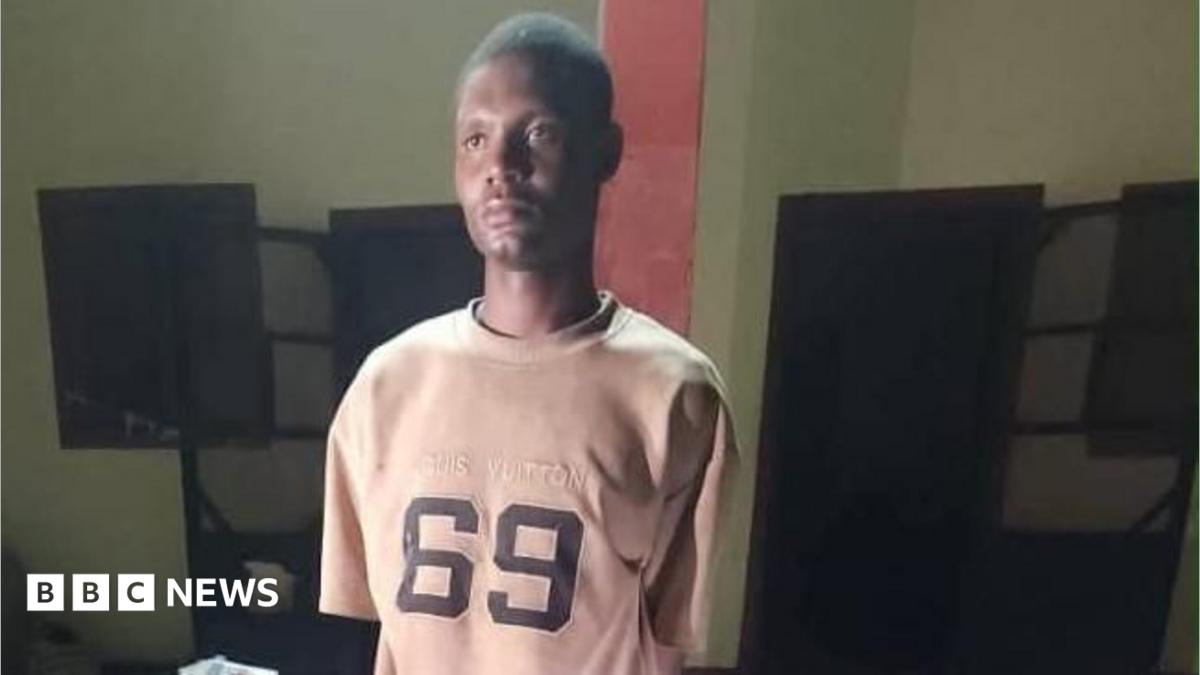
Private Mohammed Yusuf was arrested in Maiduguri for allegedly supplying army uniforms to terrorist and criminal groups. The case revives concerns that elements within Nigeria’s military may be colluding with kidnappers and insurgents, worsening the nation’s security crisis.
Key Takeaways
- Private Mohammed Yusuf arrested for supplying uniforms to armed groups.
- Arrest reignites fears of military collusion with kidnappers and insurgents.
- Investigations continue amid mounting pressure on Nigeria’s security forces.
Arrest Details
On Saturday evening, Private Mohammed Yusuf was apprehended at a bus stop in Maiduguri, the northeastern capital of Borno State, after attempting to cross into Cameroon, military spokesperson Mohammed Goni announced.
Yusuf, formerly assigned to an army equipment factory, had deserted his unit earlier this month and allegedly used an “associate” to hide in Maiduguri before the police stopped him.
Wider Security Context
His alleged supply of military uniforms to “terrorist” and “criminal” outfits adds to a growing narrative that elements within the Nigerian armed forces may be facilitating the country’s wave of kidnappings, banditry and Boko Haram‑linked attacks.
From January 2024 to April 2025, the National Human Rights Commission recorded 3,000 kidnappings and 3,580 killings attributed to armed groups, while school raids have left more than 2,400 students abducted since 2014.
Historical Background
Nigeria has endured over a decade of insurgent activity, beginning with the rise of Boko Haram in 2009, followed by splinter groups such as ISWAP, and a surge of bandit gangs operating in the north‑west.
Repeated accusations of insider information leaks have surfaced, most recently from Borno Governor Babagana Zulum, who claimed that informants within the military aid insurgents.
Why This Matters
BozokMedia analysis shows that any perceived collusion erodes public trust, hampers counter‑insurgency operations, and fuels the lucrative ransom economy that sustains criminal networks.
“When soldiers become middlemen, the line between security and crime blurs, prolonging the conflict,” says security analyst Bashir Galma.
Frequently Asked Questions
Q1: How many soldiers have been convicted for involvement in arms racketeering?
A: Three soldiers received life sentences in a special court‑martial earlier this year.
Q2: What steps is the army taking to prevent future leaks?
A: The military has launched an internal review and promised stricter intelligence protocols, though details remain limited.


