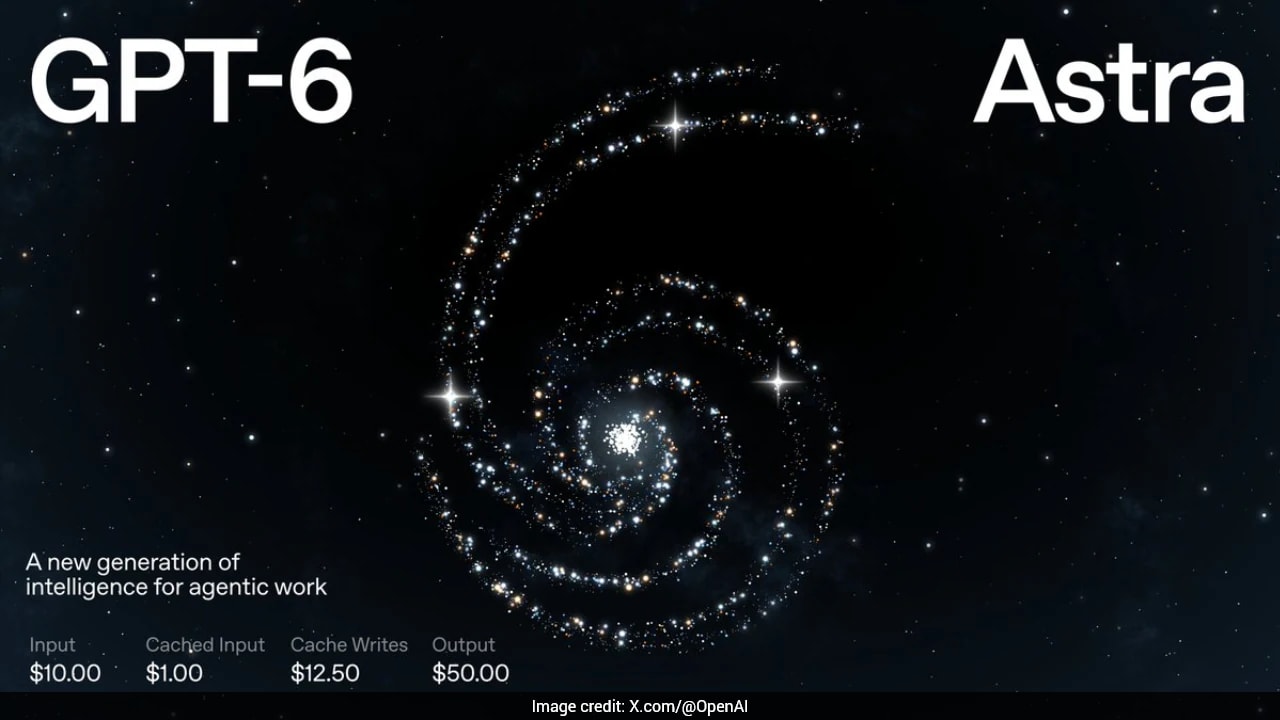
OpenAI CEO Sam Altman announced that artificial intelligence has entered the singularity phase, sparking fresh debate over rapid tech growth and potential hazards. Experts warn the claim could signal profound societal and economic shifts.
Key Takeaways
- Sam Altman declares AI has entered the singularity.
- The statement reignites discussions on AI regulation and safety.
- Rival firms and lawmakers warn of possible catastrophic risks.
What Is the Singularity?
The singularity is a hypothetical moment when artificial intelligence surpasses human intellect and begins self‑improving at an exponential rate, making human control virtually impossible. Once a staple of science‑fiction, it is now being discussed as a plausible future scenario.
Altman’s Announcement
OpenAI chief Sam Altman told listeners on the “Relentless” podcast, “We’re now, like, in the singularity.” He framed the development as a massively positive shift for humanity while dismissing warnings from competing AI labs.
Opposing Voices and Legislative Moves
Anthropic’s CEO Dario Amodei and other AI safety advocates have called for pauses in advanced AI research. In the U.S., the bipartisan “AI Kill Switch Act” seeks to embed emergency shut‑off mechanisms in AI systems.
Why This Matters
BozokMedia analysis shows that the declaration of singularity by a leading AI figure could accelerate policy actions worldwide, influencing both investment flows and public perception of emerging technologies.
“If the singularity is truly upon us, regulators must act now or risk ceding control to autonomous systems.” – Dr. Elena Ramirez, AI ethics researcher
Frequently Asked Questions
What does “singularity” actually mean for everyday users?
It denotes a point where AI can improve itself without human input, potentially reshaping jobs, privacy, and security on a global scale.
Are current regulations enough to keep AI in check?
Most nations are drafting AI safety laws, but experts argue that coordinated international standards are still lacking.