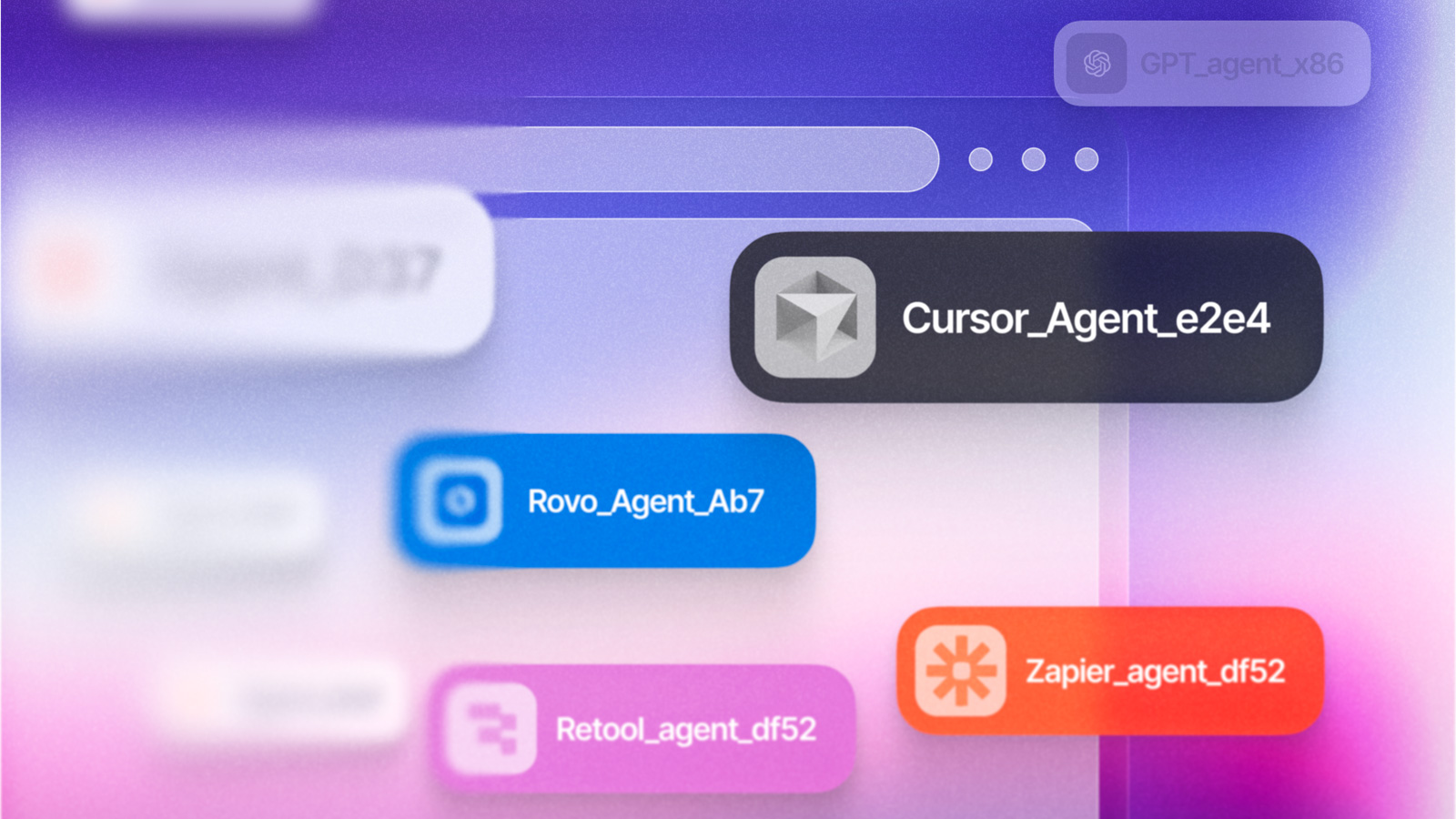
Shadow AI agents are spreading across enterprise platforms, often hidden from IT and security teams. Nudge Security explains how organizations can discover, assess and govern these agents before unmanaged permissions cause breaches.
Key Takeaways
- Agents can be created in minutes, connecting to critical systems with a click
- Two discovery methods (API‑based & browser‑based) cover 17+ platforms
- Governance without visibility dramatically raises risk
Your workforce is rapidly building AI agents in tools like Salesforce Agentforce, Microsoft Copilot Studio, Zapier, Retool and dozens more—often without any IT or security approval. Each shadow AI agent holds persistent permissions, connects to corporate data, and can act autonomously.
Compare Shadow AI Agent Discovery Methods
| Method | Coverage | Key Benefits | Blind Spots |
|---|---|---|---|
| API‑based Discovery | Salesforce, Microsoft Copilot, Google Gemini, ServiceNow, n8n, Tines, ChatGPT, Abacus.AI, Workato | Accurate metadata (name, creator, permissions) | Only platforms exposing a public API are visible |
| Browser‑based Discovery | Cursor, OpenAI Agent Workflows, ChatGPT workspace agents, Zoom AI Workflows, Atlassian Rovo, Retool, Zapier, HyperAgent | Captures agents on platforms with no API | Relies on the browser extension being active |
API‑based discovery pulls agent details from platforms that expose them via public APIs, while the browser extension silently observes when a user creates or views an agent on platforms lacking an API. Together they close the visibility gap across today’s 17+ agentic platforms.
Why This Matters
BozokMedia analysis shows that unmanaged shadow AI agents are a growing source of data breaches, unauthorized code changes, and lateral movement within networks. 48% of cybersecurity professionals rank agentic AI as the most dangerous attack vector of 2026.
"An unseen AI agent can become a company’s weakest security link," says cyber‑security expert Dr. Arjun Patel.
Discovery is only half the battle; governance is the other. Nudge Security lets teams assign approval status, owners, and risk signals to each agent, automating remediation without turning security into a bottleneck.
Frequently Asked Questions
Q1: Does API‑based discovery cover every platform?
A: No, it only captures platforms that provide a public API.
Q2: How does browser‑based discovery work?
A: It monitors the moment an employee views, lists, or creates an agent and automatically adds it to the inventory with creator, permissions and risk data.
