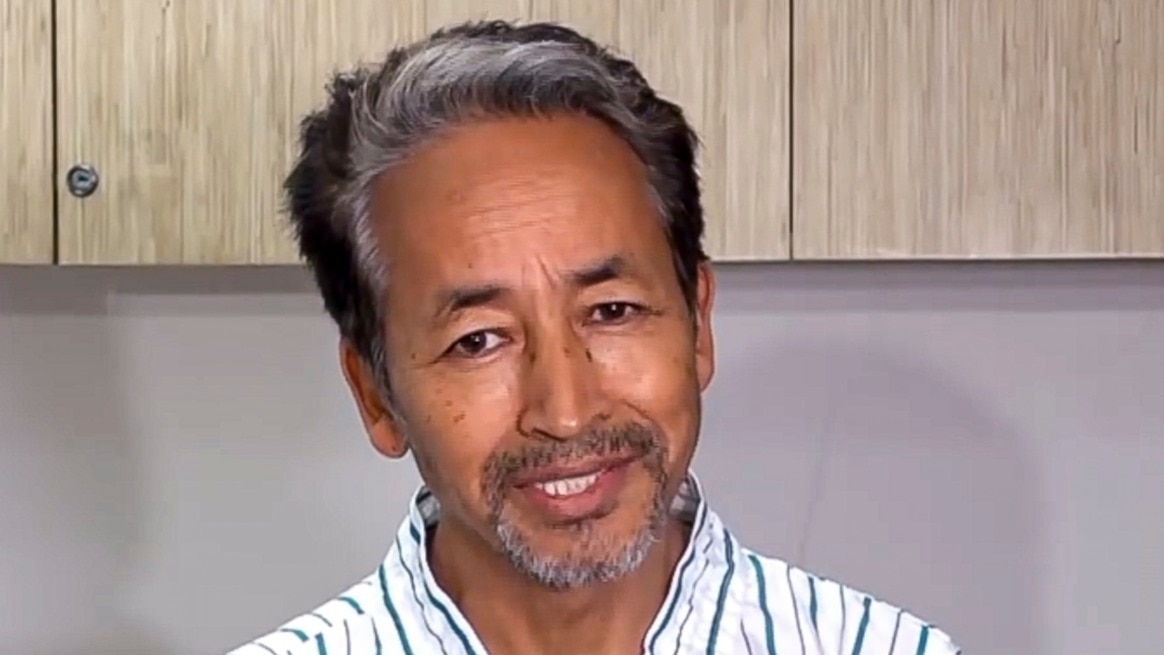
At Rajghat, Sonam Wangchuk invoked Mahatma Gandhi's non‑violent principles and urged the government to engage in dialogue with the people. He emphasized that democracy thrives only when rulers listen to citizens.
Key Takeaways
- Gandhi's non‑violent philosophy remains effective today
- Governments must listen to the voice of the people
- Dialogue is the path to lasting solutions
On July 27, Sonam Wangchuk arrived at Rajghat, paid homage at Mahatma Gandhi’s tomb, and reiterated the timeless relevance of Gandhi’s ideals. He asserted that the path of non‑violence championed by Bapu is still the most powerful tool for political change.
Wangchuk declared, "Change comes not from sticks, but from the voice of the people," urging the administration to hear public concerns and resolve issues through conversation. His appeal followed a 26‑day hunger strike and hospitalization, underscoring his commitment despite personal hardship.
Historical Background
Mahatma Gandhi shaped India’s freedom struggle with the principles of non‑violence (ahimsa) and civil disobedience (Satyagraha). These ideas inspired global movements and continue to serve as a blueprint for peaceful resistance.
Why This Matters
BozokMedia analysis shows that when political leaders echo Gandhi’s non‑violent ethos, public trust in democratic institutions tends to rise, especially in regions like Ladakh where Sonam Wangchuk’s voice carries significant weight.
"Gandhi’s strategy of non‑violent resistance offers a durable framework for today’s complex socio‑political challenges," says political science professor Dr. Anjali Singh.
Frequently Asked Questions
Why did Sonam Wangchuk go to Rajghat? He visited to honor Gandhi’s legacy and to call on the government to listen to citizens’ concerns.
Has the government responded to his message? No official response has been issued yet, but his call has resonated widely among the public.


