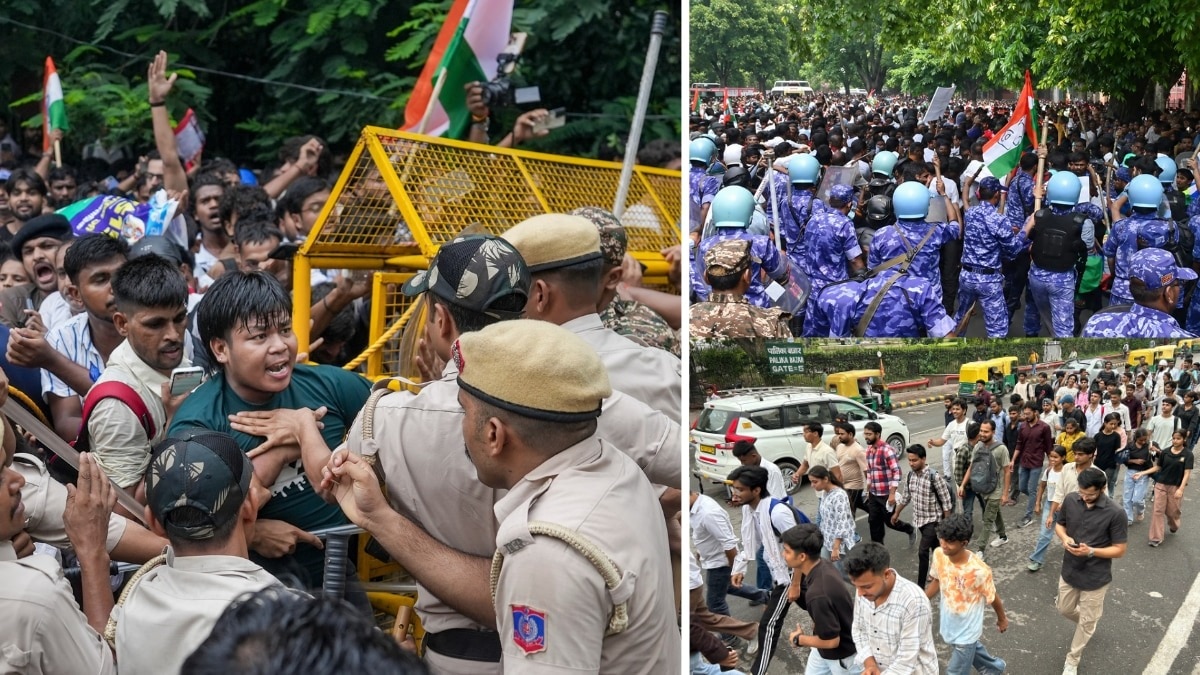
In New Delhi, the Supreme Court verbally cautioned that a lathi-charge cannot be deployed merely because of an agitation. The remark comes amid rising controversy over police force used during recent student protests.
Key Takeaways
- The Supreme Court warned that agitation alone cannot justify a lathi-charge.
- The comment addresses police actions during recent student protests.
- The issue remains open for further judicial scrutiny.
New Delhi – On July 27, 2026, the Supreme Court orally remarked that a lathi-charge cannot be launched merely because of an agitation. This statement was made amid heated debate over police use of force during student demonstrations.
The court’s observation underscores the need for judicial oversight on police tactics, emphasizing that maintaining public order must be based on genuine necessity, not merely on the fear of unrest.
Historical Background
Over the past two decades, the use of lathi-charges in India has been contentious, especially during communal clashes and student movements. Notably, the 2002 Delhi protests saw extensive criticism from human‑rights groups regarding the aggressive deployment of lathi‑charges. Judicial scrutiny of such policies has steadily increased.
Why This Matters
BozokMedia analysis shows that this ruling will likely boost transparency and accountability in future police actions, strengthening protection of civil liberties.
"Deploying a lathi-charge should be reserved for genuine emergencies, not routine protests," said human‑rights lawyer Ajay Singh.
Frequently Asked Questions
Q1: Does this remark mean lathi‑charges will be banned altogether?
A: No, the court clarified that agitation alone cannot justify a lathi‑charge; legitimate security concerns may still warrant its use.
Q2: How will this decision affect future student protests?
A: Police are expected to exercise greater caution, potentially providing a safer environment for demonstrators.