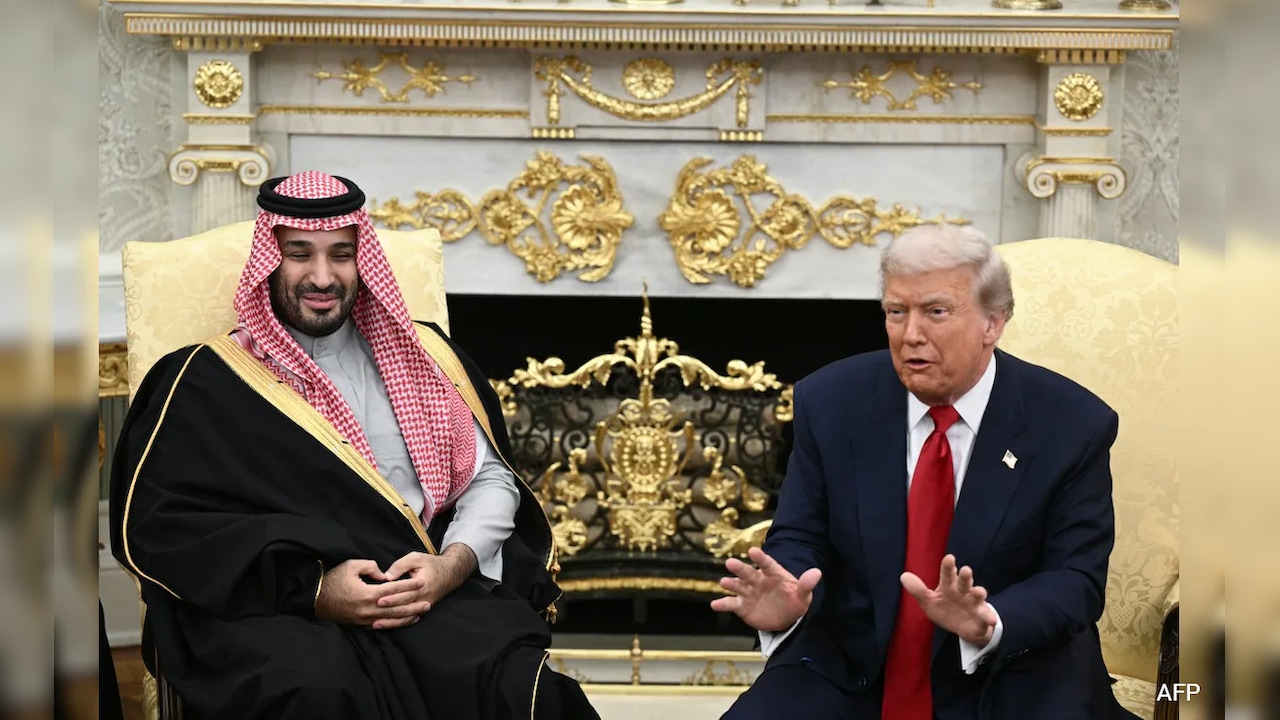
President Trump has signed a '123' nuclear agreement with Saudi Arabia, a potential win for Riyadh but a possible source of unchecked chaos for the Middle East. The deal could reshape regional security dynamics for years to come.
Key Takeaways
- Trump signs a '123' nuclear pact with Saudi Arabia
- Saudi Arabia gains access to advanced nuclear technology
- Potential for heightened instability across the Middle East
U.S. President Donald Trump recently inked a '123' nuclear cooperation agreement with the Kingdom of Saudi Arabia. The deal grants Riyadh access to civilian nuclear energy and certain defense‑related technologies, potentially elevating its strategic standing on the world stage.
While the agreement marks a diplomatic victory for Saudi Arabia, it also raises alarms about a new source of volatility in a region already fraught with tension. Israel, Iran, and other neighboring states have warned that such arrangements could trigger a security cascade.
Historical Background
U.S.–Saudi nuclear cooperation has been discussed intermittently for over two decades, with limited progress due to non‑proliferation concerns and regional politics. Previous attempts in the early 2000s stalled, but the Trump administration accelerated the process, culminating in the current '123' framework.
Why This Matters
BozokMedia analysis shows that the deal could shift the regional balance of power, encouraging neighboring states to pursue similar nuclear capabilities, thereby escalating an arms race in an already volatile zone.
"Granting Saudi Arabia advanced nuclear technology could destabilize the entire Middle East," says security analyst Dr. Michael Greene.
Frequently Asked Questions
Q1: Will the '123' agreement give Saudi Arabia full nuclear weapons?
A: No, the pact focuses on civilian nuclear energy and limited defense technologies, though the risk of misuse remains.
Q2: How might Iran respond to this deal?
A: Iran could view the agreement as a direct threat and may accelerate its own nuclear program in retaliation.