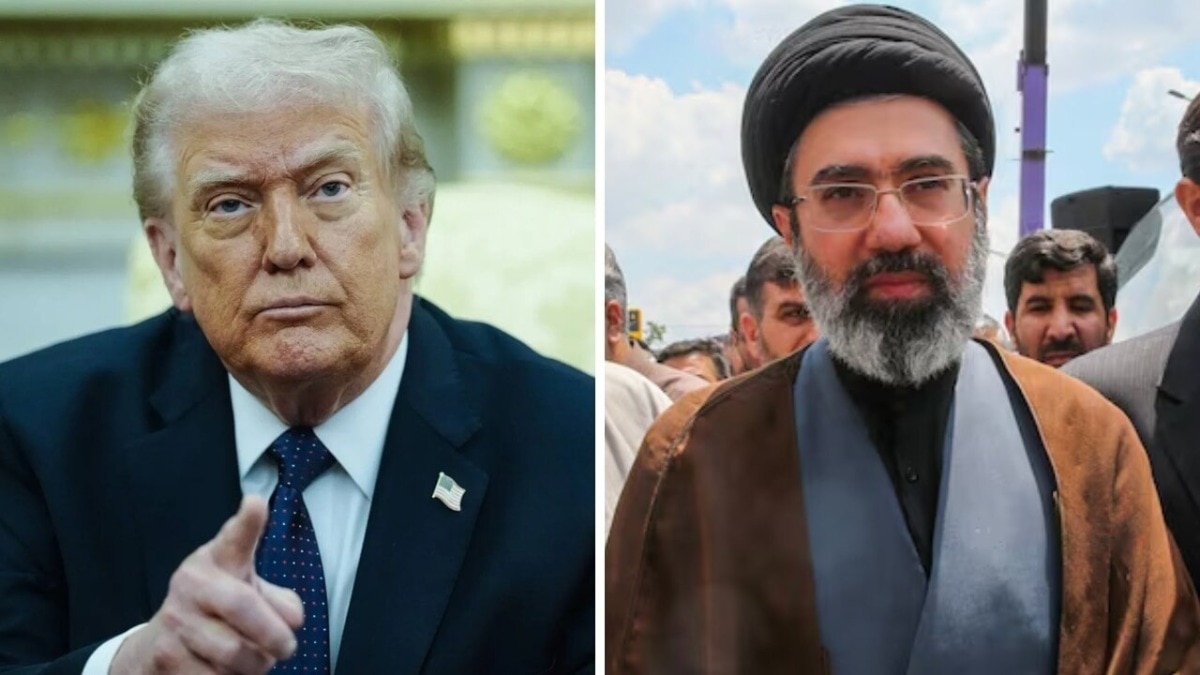
U.S. President Donald Trump warned that if negotiations with Iran fail again, Washington will resume "very strong military action." The statement comes amid heightened tensions in the Gulf and ongoing diplomatic efforts.
Key Takeaways
- Trump says the U.S. is in "very deep talks" with Iran but offers a limited diplomatic window.
- If talks break down, the United States will return to "very strong military action."
- The pause in strikes followed pleas from intermediary nations and led to a dip in oil prices.
U.S. President Donald Trump told Axios that Washington is engaged in "very deep talks" with Tehran, but emphasized that diplomacy will be given only a brief chance. "If they don't work out, we will go back to very strong military action," he said.
Trump suspended nearly two weeks of intensive air strikes against Iran on Friday after mediators from several countries urged a diplomatic reset. He added, "All the people that deal with Iran asked me: 'Don't fire.'" The halt contributed to falling oil prices and a rally in U.S. stock markets.
The current negotiations focus on reopening the Strait of Hormuz and reviving a comprehensive nuclear agreement. Oman leads the direct talks, while Qatar, Pakistan and Egypt act as mediators. Trump's envoys Steve Witkoff and Jared Kushner are also involved.
Why This Matters
BozokMedia analysis shows that a failure of diplomacy at this stage could destabilize global energy supplies and trigger a sharp rise in oil prices, as the Strait of Hormuz is a critical chokepoint for worldwide oil shipments.
"The success or failure of talks with Iran will shape the strategic balance of the Middle East," says international relations expert Prof. Ali Shah.
Frequently Asked Questions
Q1: Has Iran officially requested direct negotiations with the United States?
Answer: Iran's foreign ministry says no direct request has been made; all communications are through intermediaries.
Q2: What could happen if the U.S. resumes military action?
Answer: Potential outcomes include closure of the Strait of Hormuz, a spike in oil prices, and heightened regional conflict.
