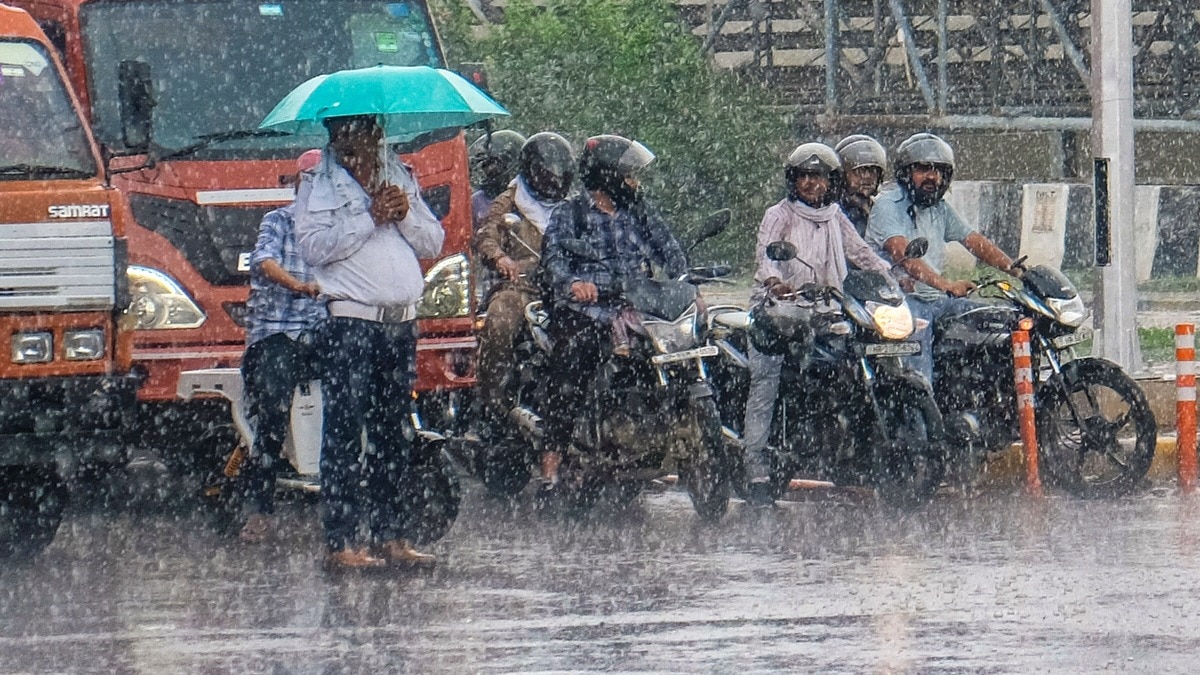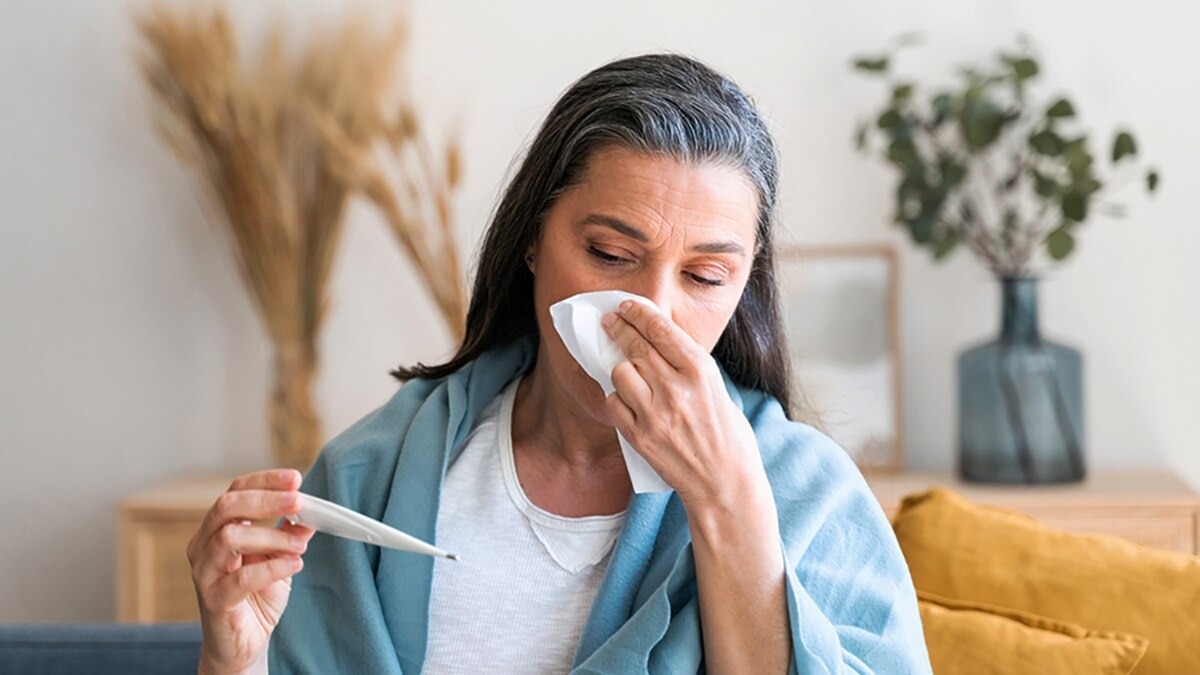
Physicians warn that treating influenza at home can lead to rapid household transmission, especially during the monsoon season. Prompt medical care and basic precautions are essential to protect vulnerable family members.
Key Takeaways
- Influenza spreads quickly in homes, particularly in poorly ventilated spaces.
- High‑risk groups should seek immediate medical advice.
- Annual vaccination, hand hygiene, and mask use are effective preventions.
Why This Matters
BozokMedia analysis shows that the seasonal surge in flu cases strains healthcare resources, making timely intervention crucial not only for individuals but for public health at large.
During the monsoon months, flu cases rise sharply, and many families experience a chain reaction: one member falls ill, and within days the entire household develops fever, cough, and body aches. This is not coincidence; shared living spaces and contaminated surfaces accelerate transmission.
Dr. Manisha Arora, Director of Internal Medicine at CK Birla Hospital, Delhi, emphasizes that early medical consultation, proper isolation, vaccination, and hygiene can dramatically reduce severe outcomes.
Those at greatest risk include the elderly, young children, pregnant women, and individuals with chronic illnesses such as diabetes, asthma, or heart disease. Persistent high fever, breathing difficulty, chest pain, or confusion demand immediate medical attention.
Preventive measures focus on five pillars: get vaccinated annually, wash hands frequently, wear a mask if sick, avoid sharing personal items, and improve ventilation while disinfecting high‑touch surfaces.
"Skipping professional care for flu can lead to serious complications; home remedies alone are insufficient." – Dr. Manisha Arora
Frequently Asked Questions
Q1: Can over‑the‑counter medicines cure the flu?
A: They may relieve symptoms but do not eliminate the virus; medical evaluation is essential.
Q2: How often should I get a flu shot?
A: Every year, preferably before the monsoon season, for all age groups.