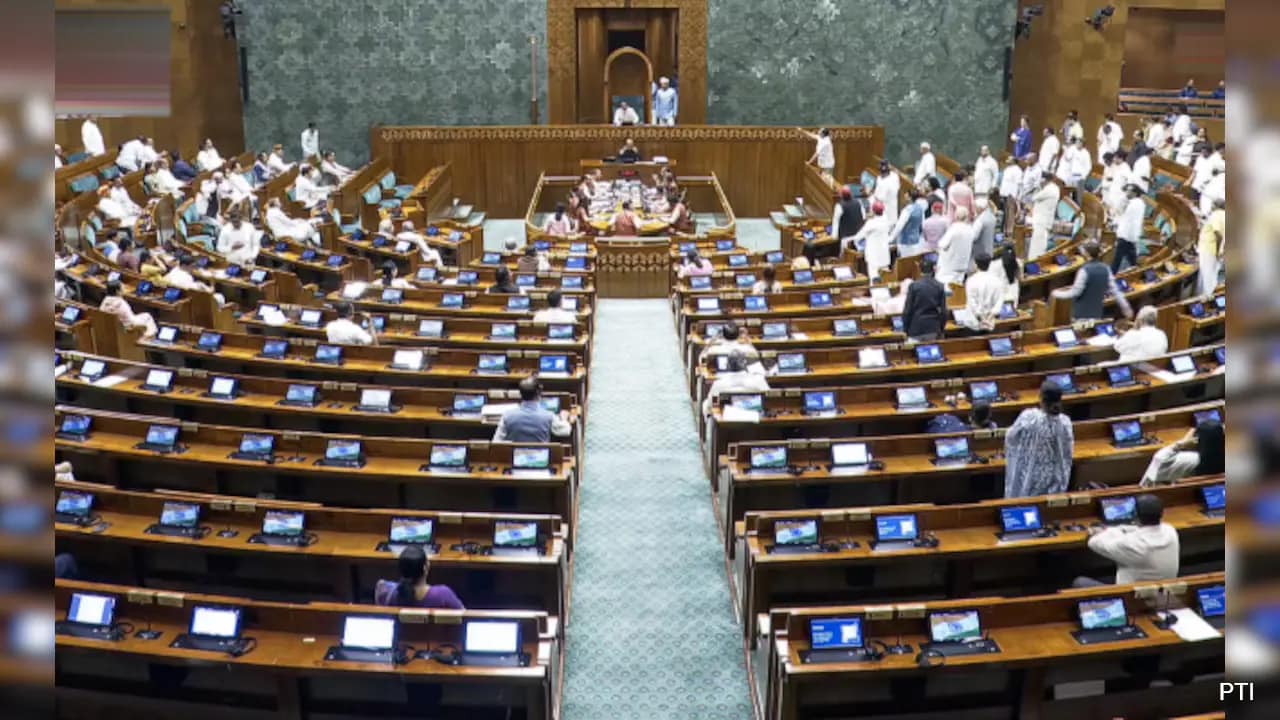
In the Lok Sabha, Minister of State for Personnel Jitendra Singh introduced the Public Examinations (Prevention of Unfair Means) Amendment Bill, 2026. The session also spotlighted several MSME‑related reforms.
Key Takeaways
- Jitendra Singh introduced the Public Exams Bill
- Bill aims to curb unfair practices in examinations
- MSMEs received prominent attention during the session
During the 2026 Monsoon Session, the Lok Sabha witnessed the introduction of the Public Examinations (Prevention of Unfair Means) Amendment Bill, 2026 by Minister of State for Personnel Jitendra Singh. The legislation seeks to tighten safeguards against cheating and other illicit practices in national exams.
Highlights of the Session
Singh’s presentation was met with vigorous debate; opposition members called for additional safeguards and clearer definitions. Concurrently, a suite of measures targeting Micro, Small and Medium Enterprises (MSMEs) was placed on the parliamentary agenda, signaling a push for economic revitalization.
Why This Matters
BozokMedia analysis shows that strengthening exam integrity protects democratic meritocracy, while MSME‑focused policies are poised to boost job creation and innovation across the country.
"Ensuring transparency in public examinations safeguards the nation’s future talent pool," says education analyst Dr. Anshu Patel.
Frequently Asked Questions
Question 1: What new provisions does the bill introduce?
Answer: The amendment criminalizes electronic cheating, paper tampering, and external assistance, imposing stricter penalties.
Question 2: What benefits are slated for MSMEs in this session?
Answer: The government announced tax incentives, easier credit access, and accelerated digital infrastructure investments for MSMEs.