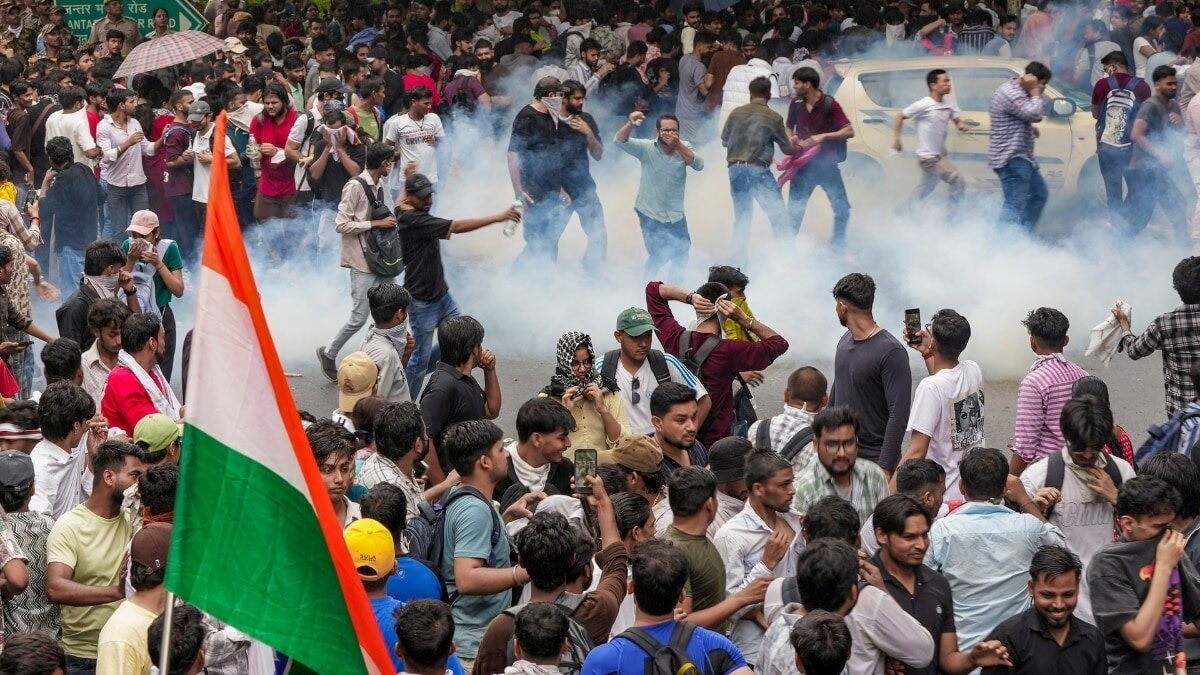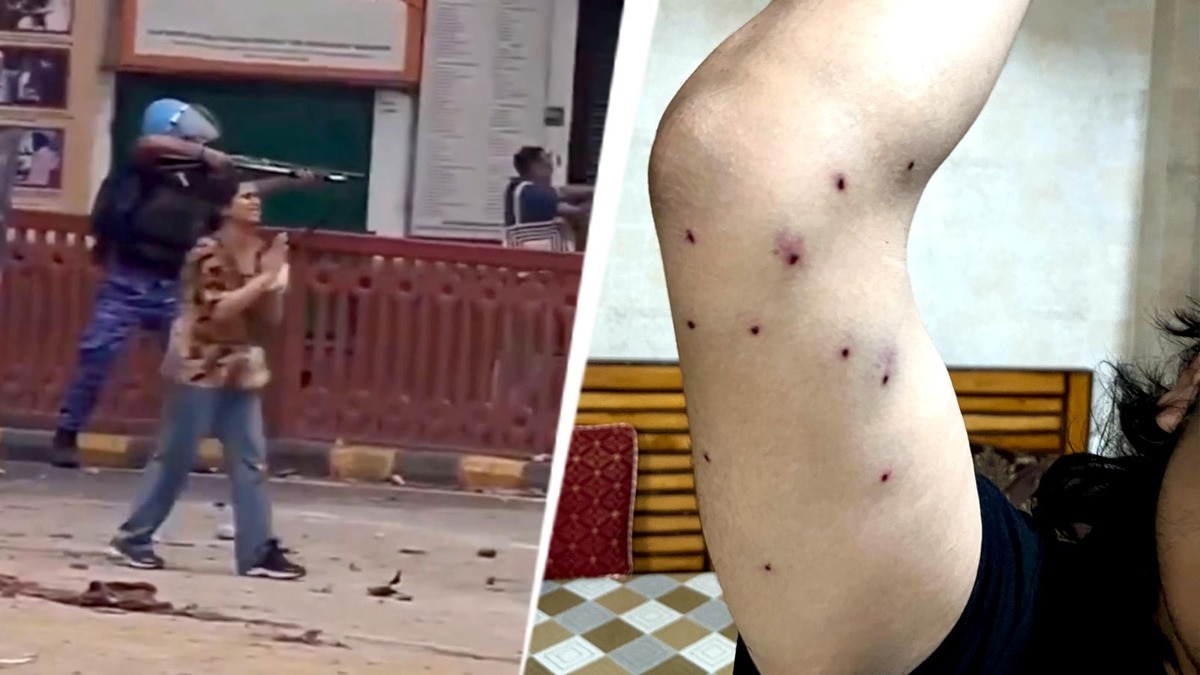
The firing of pellet guns at protesters in Delhi has ignited intense debate over public safety and human rights, prompting widespread criticism and potential legal challenges.
Key Takeaways
- Pellet gun use may amplify violence
- Human rights groups voice strong concerns
- Potential legal challenges ahead
Amid rising tensions between civilians and police in Delhi, security forces resorted to firing pellet guns at demonstrators, resulting in multiple injuries. The move has provoked sharp reactions from human‑rights organisations and the public across the nation.
While pellet guns are often marketed as crowd‑control tools, they have repeatedly caused serious bodily harm and, in rare cases, fatalities. This incident raises pressing questions about the legitimacy and transparency of existing security protocols.
Historical Background
In recent years, Indian police have employed pellet guns in several protest scenarios, notably during the 2020 Delhi citizen protests. Those incidents attracted criticism from rights groups for excessive force.
Why This Matters
BozokMedia analysis shows that the escalation of force in protest scenarios can erode public trust in law enforcement and trigger broader civil unrest, impacting both domestic stability and international perception of India's democratic credentials.
"The indiscriminate use of pellet guns undermines democratic freedoms," expert Dr. Anita Verma remarked.
Frequently Asked Questions
Question 1: Is the use of pellet guns legal?
Answer: Indian law classifies pellet guns as "minimum force" weapons, but their deployment must adhere to human‑rights standards.
Question 2: What rights do affected individuals have?
Answer: Victims are entitled to medical care, legal assistance, and appropriate compensation.