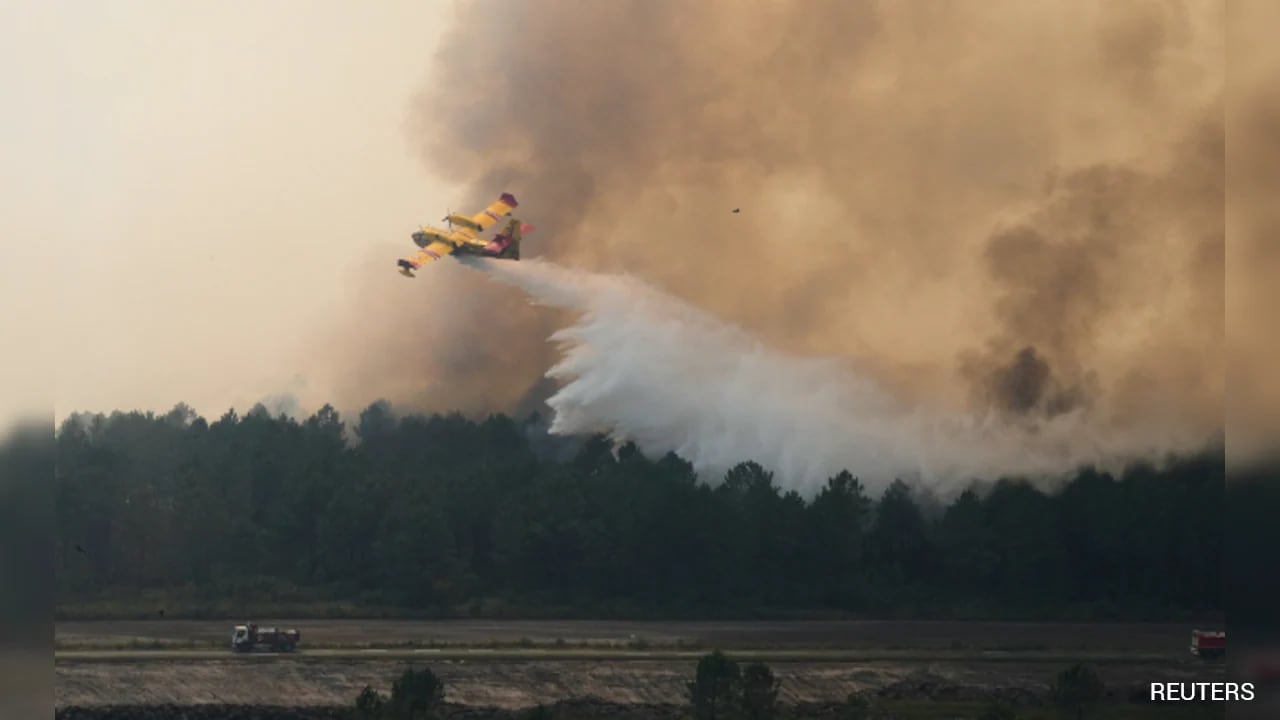
A historic heatwave ignited unprecedented wildfires across Europe, causing massive human and environmental damage. These blazes serve as stark evidence of an accelerating climate crisis.
Key Takeaways
- A record-breaking heatwave sparked wildfires never seen before.
- The fires inflict severe ecological loss and human casualties.
- Climate change is speeding up the frequency of such extreme events.
Prolonged scorching temperatures across Western and Southern Europe have dried out forests, creating tinder‑ready conditions for massive fire outbreaks. In just a few days, flames have ravaged over 10,000 square kilometers, destroying homes and polluting the air.
Current Situation
Spain, France and Italy report the hardest‑hit regions, with emergency services deploying aerial water drops and requesting cross‑border assistance. Thousands have been evacuated as fire fronts continue to expand.
Historical Background
Over the past two decades, Europe’s average summer temperature has risen by 1.5 °C, breaking long‑standing climate norms. The current heatwave marks the most intense episode on record, surpassing the previous high by several degrees.
Why This Matters
BozokMedia analysis shows that the escalating frequency of such fires threatens regional economies, displaces communities, and accelerates biodiversity loss across the continent.
Dr. Ananya Singh, climate scientist, warns: "These fires are the new normal of a warming planet."
Frequently Asked Questions
Question 1: Will heatwaves like this become more common?
Answer: Scientists agree that without decisive emission cuts, the trend will intensify.
Question 2: How can residents protect themselves?
Answer: Follow evacuation orders, fire‑proof homes, and stay alert to official warnings.