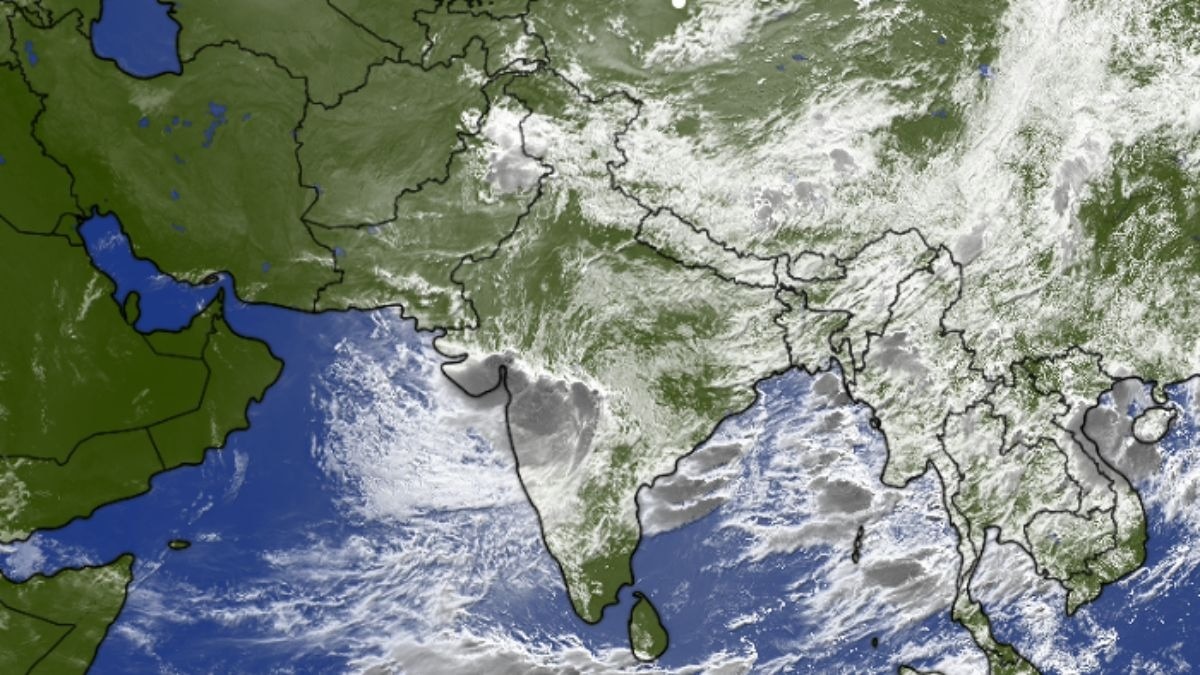
India’s monsoon this week is being influenced by seven simultaneous weather systems, raising the risk of heavy rainfall and floods across the Himalayan foothills, Bihar and Assam.
Key Takeaways
- Seven weather systems active simultaneously
- Heavy rain expected in Gujarat, Bihar, Assam
- Elevated flood risk across affected regions
India’s monsoon this week is being driven by an unprecedented seven‑system convergence, far more complex than the usual two‑to‑three systems. The lineup includes the Somali Jet, a deep depression over Gujarat, the monsoon trough, an east‑west shear zone, an offshore trough, a western disturbance, and an Assam cyclonic circulation.
Somali Jet lifts moisture from the Arabian Sea onto India’s west coast, acting as the primary moisture conduit for the season. Its anticipated strengthening this week promises to fuel heavier rains.
Deep depression over Gujarat originated in the Bay of Bengal and has moved westward. The IMD has warned of 21 cm or more of rain on July 31 and August 1, potentially causing severe water‑logging.
Monsoon trough shift northward will direct the bulk of the monsoon’s moisture toward the Himalayan foothills, while central plains may experience a temporary lull.
Historical Background
In past decades, weeks where multiple systems operated together have coincided with some of India’s most devastating flood events—1999, 2010, and 2020 being notable examples. Those episodes underscored the need for improved forecasting and proactive disaster mitigation.
Why This Matters
BozokMedia analysis shows that the simultaneous operation of seven systems amplifies the risk of flash floods in densely populated regions, stressing the urgency for early warnings and infrastructure resilience.
"When seven weather systems act in concert, both the intensity and duration of rainfall can surge beyond typical expectations," says Dr. Anil Gupta, climate specialist.
Frequently Asked Questions
- Will all states receive the same amount of rain? No, rainfall distribution will vary based on each system’s trajectory and strength, with some regions facing higher flood threats.
- What precautions should residents take? Authorities should activate evacuation plans, clear drainage channels, and mobilize emergency services promptly.

