Researchers from Ireland and Chile have extracted variola virus DNA from two naturally mummified bodies in northern Chile, confirming that European‑brought smallpox caused the catastrophic decline of Indigenous populations. The study provides a precise timeline for the virus’s entry into South America.
Key Takeaways
- Variola virus DNA identified in two ancient Chilean mummies.
- Genomic analysis links the strain directly to early European variants.
- The finding pins down the timing of smallpox’s arrival in the Americas.
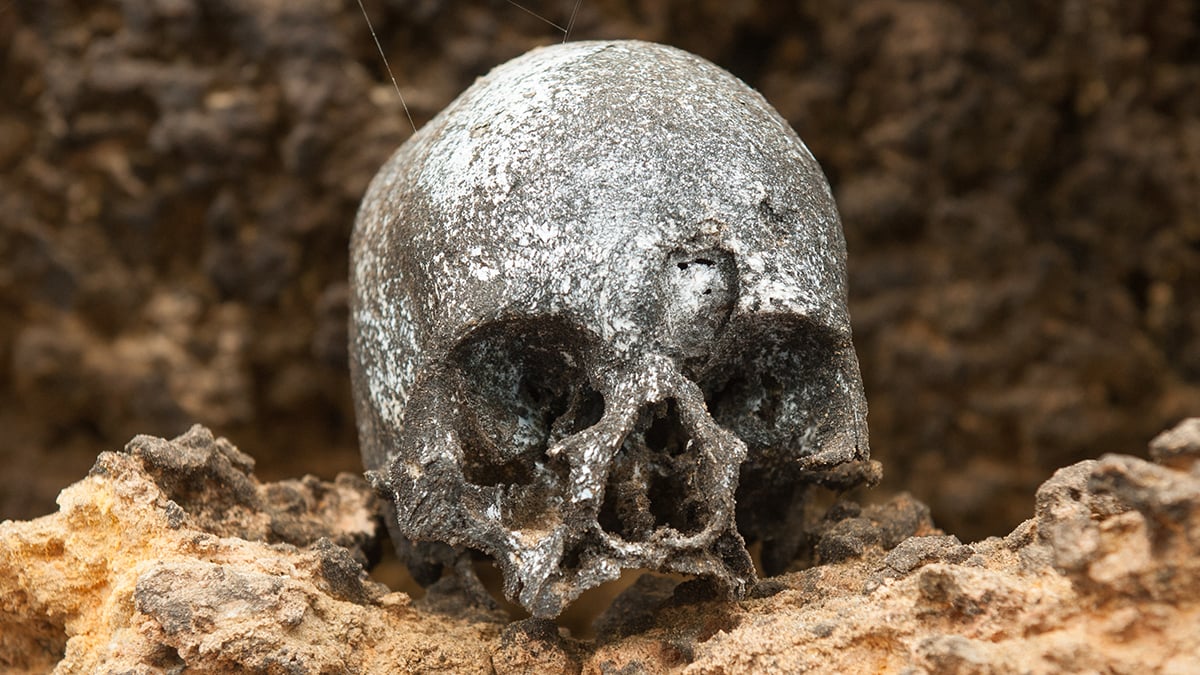
Scientists from Ireland and Chile have recovered the genome of the smallpox‑causing variola virus from two naturally mummified corpses dated between 1492 and 1631 CE in northern Chile. The results, published in Science, provide the first solid genetic proof that the disease was introduced by European colonizers.
The viral genomes are nearly identical, indicating simultaneous infection. The researchers designated the strain CAM9, which slots neatly between medieval European strains and the modern 20th‑century variants, effectively acting as a genetic “snapshot” of early colonial smallpox.
Biological anthropologist Constanza de la Fuente Castro of the University of Chile explained the technical hurdles: low‑concentration DNA and centuries‑long damage make ancient pathogen recovery exceptionally difficult, yet the team succeeded in confirming smallpox infection in the two individuals.
Tracking the mutation rate revealed a dramatic slowdown in the virus’s evolution for a couple of centuries after its arrival, followed by an acceleration in the 19th century—likely driven by widespread vaccination campaigns. This pattern suggests that major demographic and epidemiological shifts can reshape viral adaptive landscapes.
Why This Matters
BozokMedia analysis shows that the study not only clarifies smallpox’s historical spread but also illustrates how human events—colonization, mass vaccination—directly influence pathogen evolution. Such insights are crucial for modern pandemic modeling and response strategies.
"This is the first unequivocal genetic evidence that smallpox arrived in the Americas via Europeans, rewriting a key chapter of disease history."
Frequently Asked Questions
Q1: When did smallpox first reach the Americas?
A: Genetic data point to the early 1490s, shortly after the first wave of European contact.
Q2: How can this discovery influence future epidemiological research?
A: It demonstrates that pathogen evolution can be tightly coupled with societal changes, offering a model for predicting how modern interventions may shape future outbreaks.
