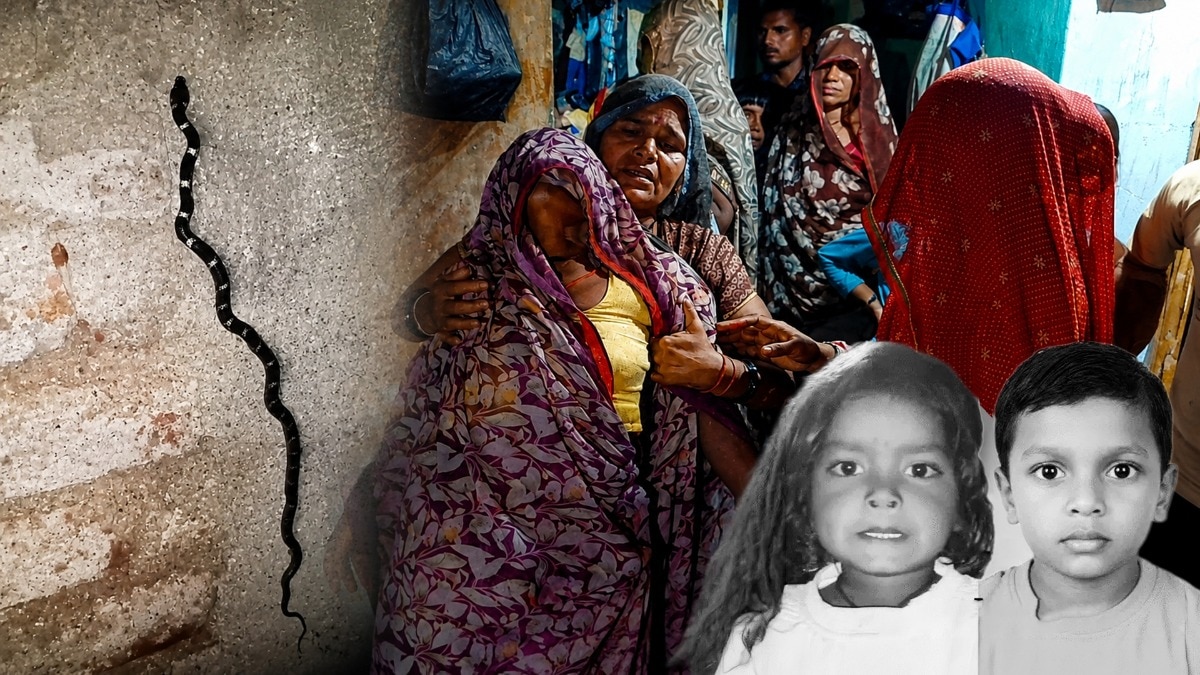
In Hardaulpur, Jhansi, a female cobra entered a bedroom and bit two children, killing seven‑year‑old Mayank while four‑year‑old Pragati remains in critical condition. Locals whisper about a “snake pair,” but no official confirmation exists.
Key Takeaways
- Two children bitten by a cobra in the same room where a snake was killed two days earlier
- 7‑year‑old Mayank died; 4‑year‑old Pragati in critical care
- Villagers speculate a “snake pair,” but authorities have not verified
Incident Details
In the Hardaulpur neighbourhood of Jhansi’s Badagaon police area, labourer Pradeep Kushwaha and his wife Neha returned home to find their son Mayank (7) and daughter Pragati (4) sleeping in the same bedroom where a snake had been killed two days earlier. Around 3:30 a.m., both children began screaming in pain. When Neha lifted Pragati, a venomous cobra emerged and had already bitten both children.
The family rushed the kids to the nearest medical college. Doctors pronounced Mayank dead on arrival, while Pragati was admitted in a serious state and continues to fight for her life.
Local Reaction and Speculation
The incident sparked rumors of a “snake pair” — the idea that the snake killed earlier returned with its mate. While some residents claim the same species returned, the forest department has not confirmed any such pairing. Experts caution that snakes do not seek revenge; the fear stems from local myths.
Historical Background
The Indian krait (commonly called “karait”) is among the country’s most lethal snakes, delivering a neurotoxic venom that can cause paralysis without obvious early pain. Over the past decades, numerous rural snake‑bite fatalities have highlighted the need for better emergency response and antivenom distribution.
Why This Matters
BozokMedia analysis shows that rural snake‑bite incidents remain under‑reported, yet they contribute significantly to child mortality in India. This case underscores that even a bedroom can become a danger zone, emphasizing the urgency of community awareness and rapid medical intervention.
"Access to antivenom in remote villages can be the difference between life and death," says Dr. Ajay Singh, toxinology expert.
Frequently Asked Questions
Q1: Is there any scientific basis for the “snake pair” myth?
Answer: No, it is a folklore belief; venomous snakes act independently of each other.
Q2: What immediate steps should be taken if a snake is seen inside a home?
Answer: Keep the victims calm, immobilize the bitten area, call emergency services, and notify the local forest department.
