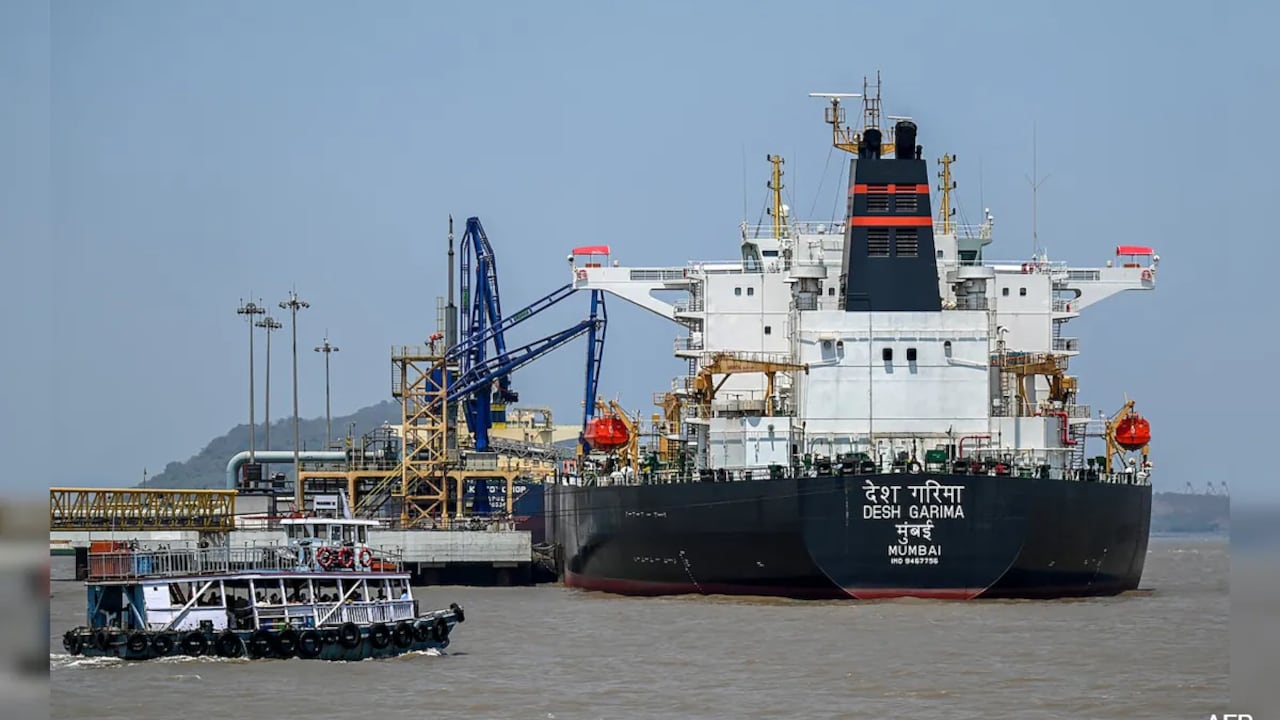
India has become the world's second‑largest supplier of seafarers, but this prominence makes its crew easy targets in conflicts. So far, 17 have died and 166 remain trapped.
Key Takeaways
- India ranks second globally in supplying seafarers.
- Seafarers are increasingly targeted during armed conflicts.
- Current toll: 17 dead, 166 trapped.
India’s Maritime Workforce and the Rising Risk
With 311,936 professionals on international vessels, India has cemented its status as the world’s second‑largest source of maritime labor. These crews power global trade routes for major shipping lines.
Becoming Collateral in Modern Warfare
While this achievement highlights economic strength, it also creates a vulnerability. Indian crews operating near conflict zones are now being treated as collateral damage by warring parties.
Human Cost and Current Figures
According to the latest reports, 17 Indian seafarers have lost their lives this year, and 166 remain stranded in hostile waters. These numbers underscore a pressing humanitarian crisis and the need for stricter international safeguards.
Why This Matters
BozokMedia analysis shows that global maritime safety protocols have yet to fully address the unique risks faced by Indian crews, leaving them exposed to future conflict‑related incidents.
"A worldwide maritime agreement is essential to protect seafarers from becoming victims of geopolitical strife," says maritime security expert Dr. Ajay Singh.
Frequently Asked Questions
Question 1: Under what circumstances do Indian seafarers become trapped?
Answer: They are often caught near active combat zones or in waters subject to sudden blockades.
Question 2: Are there any international initiatives to mitigate this risk?
Answer: The UN’s Maritime Safety Council has drafted new guidelines, but implementation remains in early stages.