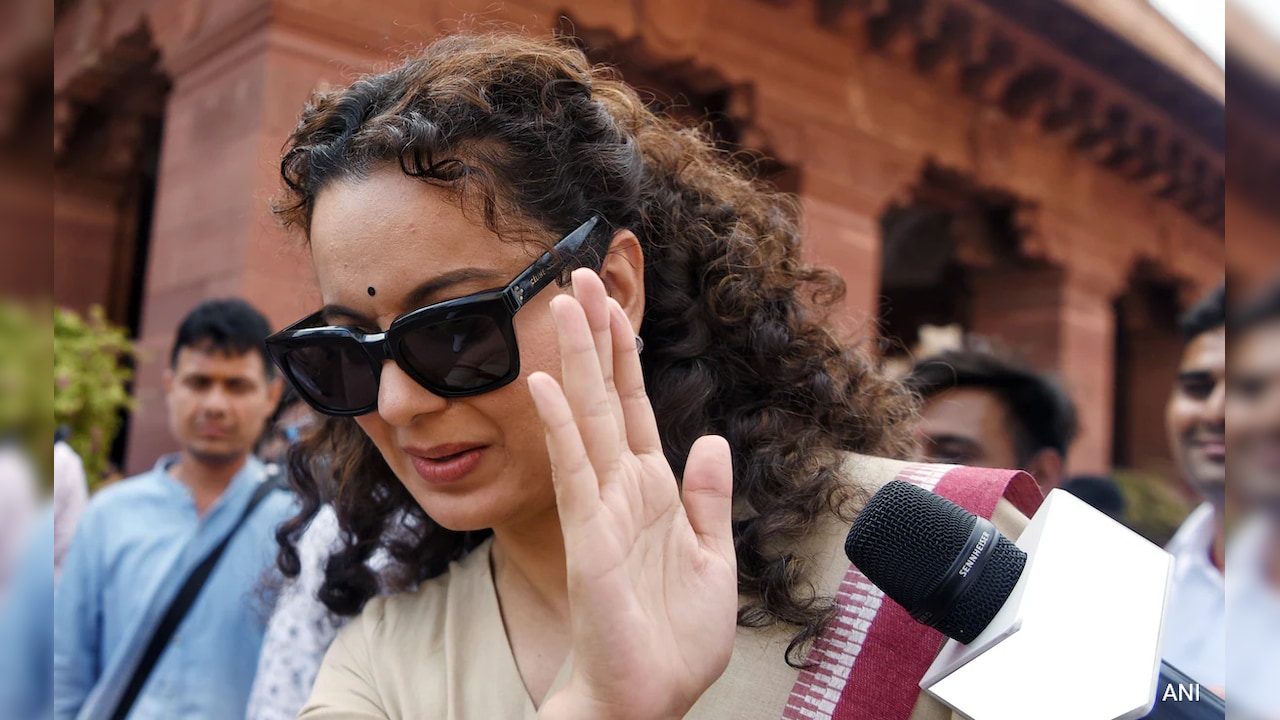
Kangana Ranaut spent years shaping herself as the ‘lupa’, a lone she‑wolf thriving without a pack. Yet, as her defiance kept winning applause, it morphed into a habit.
Key Takeaways
- Kangana cultivated a ‘lone wolf’ persona for years
- Repeated praise turned rebellion into a habit
- This shift signals new dynamics in the industry
The ‘Lupa’ Image
Kangana Ranaut has long presented herself as the ‘lupa’ – the solitary she‑wolf who survives without a pack. The narrative extended beyond her films, dominating interviews, social media posts, and public confrontations.
Rewarded Defiance Becomes a Crutch
When the industry and audiences began rewarding her bold stance with box‑office success and media praise, the defiance stopped being a strategy and started feeling like an addiction.
Historical Background
Starting with a modest debut in 2006’s *Gangster*, Ranaut’s breakout came with *Fashion* (2008). However, it was the backlash after *Tanu Weds Manu Returns* (2015) that pushed her to embrace a more confrontational public persona, culminating in the ‘lupa’ branding during the *Queen* (2014) and *Manikarnika* (2019) eras.
Why This Matters
BozokMedia analysis shows that a star’s continual rebellion can reshape personal branding while also altering power structures within Bollywood. Ranaut’s case illustrates how individual dissent can steer public sentiment and industry politics.
"Kangana’s reliance on rebellion has become a calculated business model," film critic Ajay Mehra observes.
Frequently Asked Questions
Q1: Is Kangana’s ‘lone wolf’ image causing audience fatigue?
A: Experts argue that constant defiance creates a double‑edged effect – it captivates some viewers while alienating others.
Q2: What could this persona mean for her future projects?
A: Diversifying roles could sustain the brand’s strength; otherwise, it may pigeonhole her career.