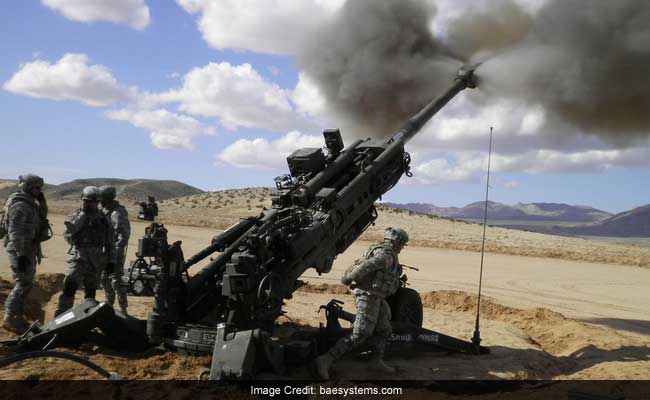
The U.S. defense sector relies on 50‑100 tons of samarium each year, a rare‑earth metal almost entirely imported from China. Domestic production is minimal, creating a strategic vulnerability in the nation’s weapons supply chain.
Key Takeaways
- The U.S. defense industry needs 50‑100 tons of samarium annually
- Nearly all samarium is imported from China
- Domestic capacity is extremely limited, heightening supply risk
Introduction
The United States Department of Defense has highlighted that samarium, a rare‑earth metal, is essential for high‑performance permanent magnets used in missiles, radars, and electric actuators. Without a reliable supply, future weapons programs could face critical delays.
Current Import Landscape
More than 80 % of the rare‑earth elements used by the U.S. military are sourced from China, with samarium being almost entirely dependent on Chinese exporters. This concentration creates a single‑point‑of‑failure that could be exploited in geopolitical tensions.
Domestic Production Constraints
U.S. mining and processing facilities for samarium are scarce. Existing projects lack the scale to meet annual defense demand, and environmental permitting has slowed new ventures, leaving the country heavily reliant on foreign supply.
Historical Background
Rare‑earth metals gained strategic importance after World War II, especially in electronics and defense. In the 1990s, China ramped up large‑scale mining, capturing over 90 % of global output. U.S. attempts to revive domestic production have repeatedly stalled due to cost, regulation, and limited ore deposits.
Why This Matters
BozokMedia analysis shows that breaking China‑dependency is not just a national‑security imperative but also a catalyst for American manufacturing innovation and job creation. A sovereign supply chain would give the U.S. a competitive edge in the global defense market.
"Supply security for critical rare‑earths like samarium is the cornerstone of defense readiness, and achieving autonomy delivers long‑term strategic advantage." – Dr. Amit Patel, Materials Science Expert
Frequently Asked Questions
Q1: Is the U.S. planning new mining sites for samarium?
A: The government has identified several prospective locations and formed an inter‑agency task force to accelerate investment and permitting.
Q2: How could this shortfall affect U.S. military capabilities?
A: Without alternative sources, the production rate of advanced weapon systems could slow, potentially creating a capability gap in future conflicts.