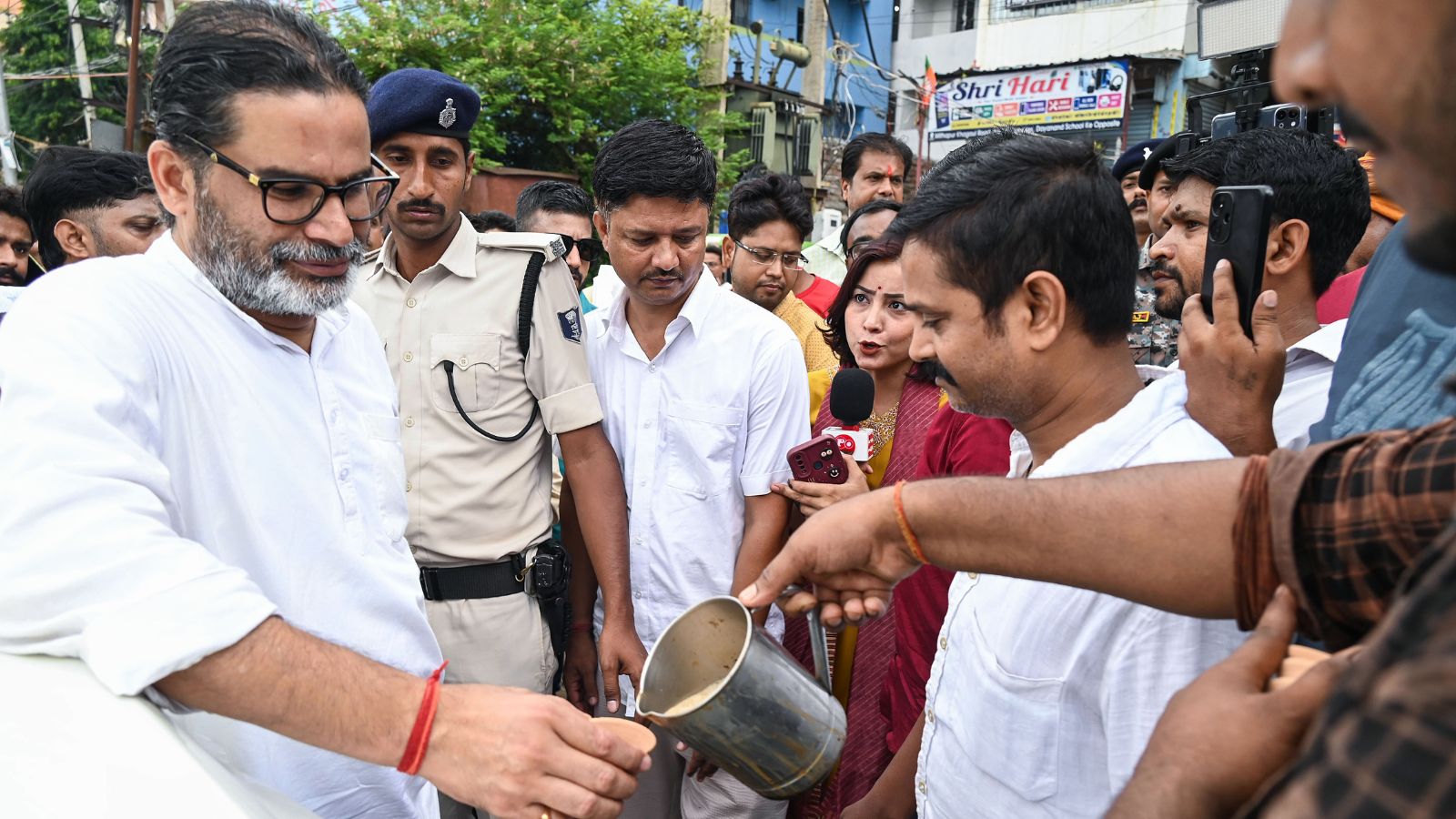
In the Bankipur by‑election, Jan Suraaj Party founder Prashant Kishor outperformed the BJP candidate, marking a dramatic shift. Five decisive factors underpin his unexpected victory.
Key Takeaways
- Kishor entered the race as a candidate himself
- Voter desire for change and cracks in BJP's base
- Issue‑focused campaign over caste and religion
Core Analysis
Prashant Kishor surged past BJP’s Neeraj Kumar Sinha in Bankipur, turning a traditionally strong BJP seat into a surprise win. After the 2025 Bihar Assembly where his fledgling Jan Suraaj Party contested 238 seats without a single victory, Kishor chose to fight personally this time.
The second factor was a palpable public mood for change. Many voters viewed Kishor as a “better and well‑meaning candidate,” framing the contest as a referendum on Chief Minister Samrat Choudhary’s performance.
Third, deep fractures emerged within both BJP and RJD support bases. While the upper‑caste Kayastha community remained loyal to BJP, other upper‑caste and OBC groups swung toward Kishor. Segments of RJD’s Muslim‑Yadav electorate also gravitated to him, seeing a higher chance of defeating the BJP.
Fourth, Kishor’s campaign stayed firmly on issue‑based pillars such as education, jobs, and civil matters, rising above traditional caste‑religion narratives. In contrast, BJP’s Nitin Nabin leaned on emotional connections rather than concrete policy proposals.
Fifth, the Jan Suraaj Party executed a superior poll strategy, emphasizing extensive mohalla meetings and direct public interactions. This broke BJP’s “social combination” and exploited internal dissent within the ruling party’s local unit.
Historical Background
Bankipur has been represented by national president Nitin Nabin for five consecutive terms (2006‑2026), cementing its reputation as a BJP bastion. However, shifting demographics and growing anti‑incumbency sentiments have eroded that stronghold in recent years.
Why This Matters
BozokMedia analysis shows that this victory could reshape Bihar’s political equations and signal a broader shift toward issue‑driven campaigns across India.
"Political analyst Dr. Ramesh Sharma says, 'Kishor's grassroots strategy rewrote the electoral playbook.'"
Frequently Asked Questions
What was Kishor’s primary campaign strategy? He focused on issue‑based messaging, large‑scale neighborhood meetings, and consolidating diverse caste groups.
Does this defeat signal trouble for BJP in future elections? Analysts warn that unresolved fractures in BJP’s support base could lead to more setbacks if not addressed.
