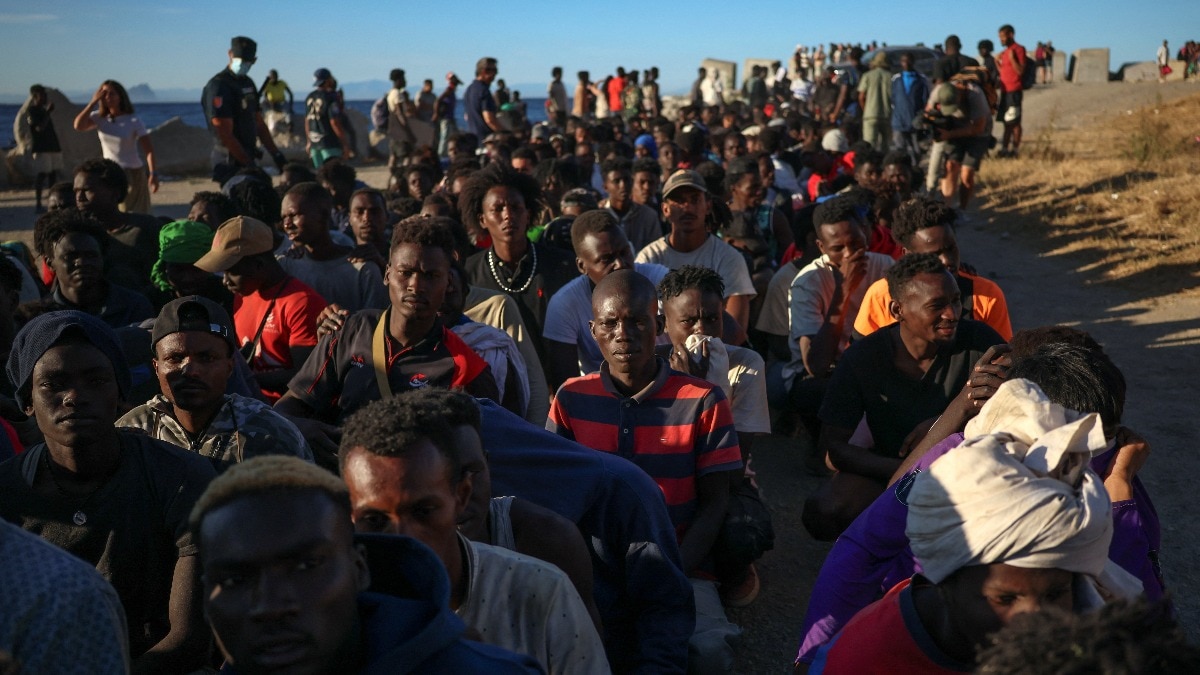
Between 3,000 and 5,000 migrants remain stranded in Ceuta, two reception centres have collapsed, and diplomatic tensions are rising across the EU as Spain blames Morocco.
Key Takeaways
- 3,000‑5,000 migrants are still stranded in Ceuta.
- Two reception centres have collapsed under pressure.
- Spain’s accusations against Morocco spark EU diplomatic friction.
Background
After a massive border rush last week, Spain’s North‑African enclave of Ceuta is grappling with thousands of migrants who crossed from Morocco on foot and by sea. Most are from sub‑Saharan Africa. Local officials reported that the two reception centres—one for adults and one for minors—have "collapsed" due to the overwhelming numbers.
Current Situation
Spain says roughly 69,500 migrants have been returned to Morocco over the past four days, surpassing earlier estimates of 50,000 arrivals. The death toll stands at 72 on the Spanish side and 11 on the Moroccan side. Ceuta’s leader Juan Jesus Vivas told Telecinco that between 3,000 and 5,000 migrants remain, while city official Alberto Gaitan noted 862 minors are being processed under special protection.
Why This Matters
BozokMedia analysis shows the crisis has amplified anti‑immigration rhetoric throughout Europe and ignited a contentious debate on EU border policy. Spain has accused some partners of an "unhelpful and polarising" response, while Morocco offered immediate police support without conditions.
“The Ceuta crisis underscores the fragility of EU‑Morocco migration accords,” says Dr. Lina Hassan, migration scholar.
Frequently Asked Questions
Q1: Are there plans to rebuild the collapsed reception centres?
A: The Spanish government has announced emergency shelters and allocated funds for rapid reconstruction.
Q2: What impact will this crisis have on the EU?
A: It is likely to prompt a reassessment of border security and migration cooperation among member states.
