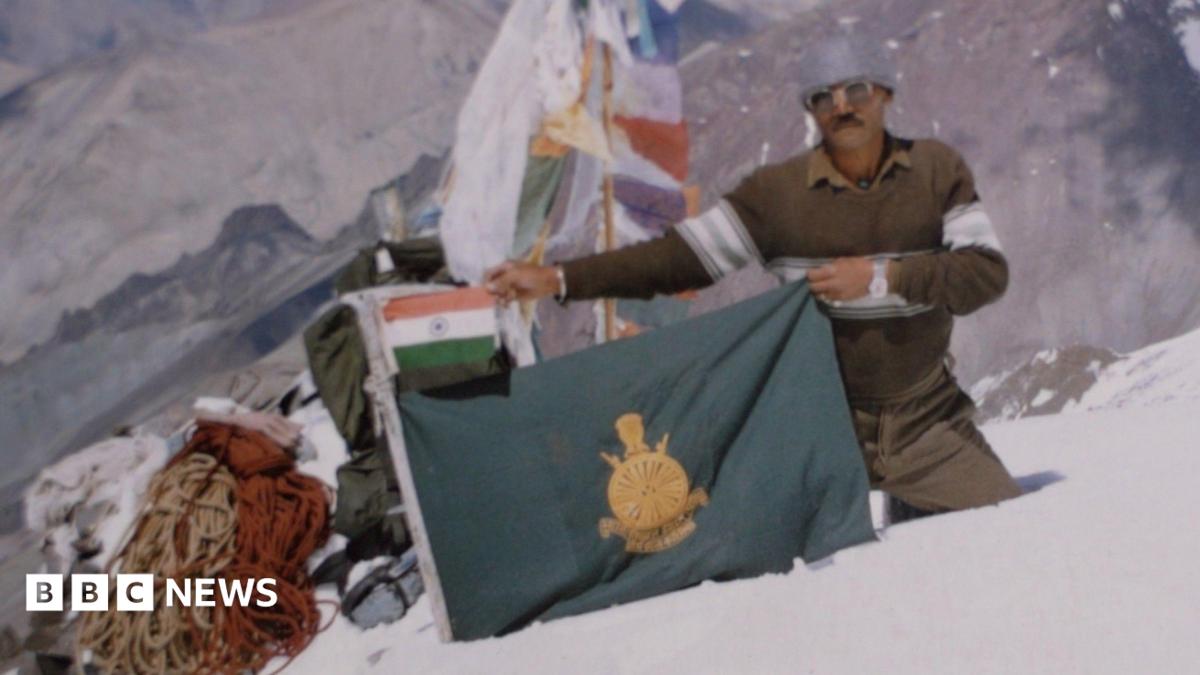
After three decades, the frozen body of Indian climber Dorje Morup, known as 'Green Boots', is set to be recovered by a specialist high‑altitude team. The operation faces extreme weather, death‑zone conditions, and logistical hurdles.
Key Takeaways
- Dorje Morup's frozen body, dubbed "Green Boots", lies at 8,500 m on Everest's north side
- India is mobilising a specialist high‑altitude recovery team for a complex retrieval
- BozokMedia analysis shows the mission is fraught with technical and logistical challenges
In 1996, Indian ITBP climbers Dorje Morup, Tsewang Smanla and Tsewang Paljor reached Everest’s summit via the Chinese side, only to be caught in a blizzard on descent that claimed all three lives. Morup’s lime‑green mountaineering boots have since become a grim landmark for aspirants.
Historical Background
More than 300 bodies remain scattered across Everest’s death zone, many never recovered. The 1996 Indian expedition aimed to be the first from the Chinese side, marking a historic milestone despite the tragedy.
India’s Recovery Plan
The government has assembled a high‑altitude rescue unit to identify the remains, confirm identity through DNA testing, and provide closure to Morup’s family. Extraction will involve yak or helicopter lifts to a lower altitude for transport.
Why This Matters
BozokMedia analysis shows that bringing back the body not only offers closure to Morup’s family but also sets a precedent for future recovery missions on the perilous north face of Everest.
"Retrieving bodies from the death zone requires meticulous planning and flawless execution," says Dr. Anil Sharma, high‑altitude rescue specialist.
Frequently Asked Questions
Q1: Will DNA testing definitively confirm Morup’s identity?
A: Yes, officials plan DNA analysis to verify the remains.
Q2: How long will the extraction operation take if successful?
A: The mission is expected to require 10‑12 seasoned climbers over several days.
