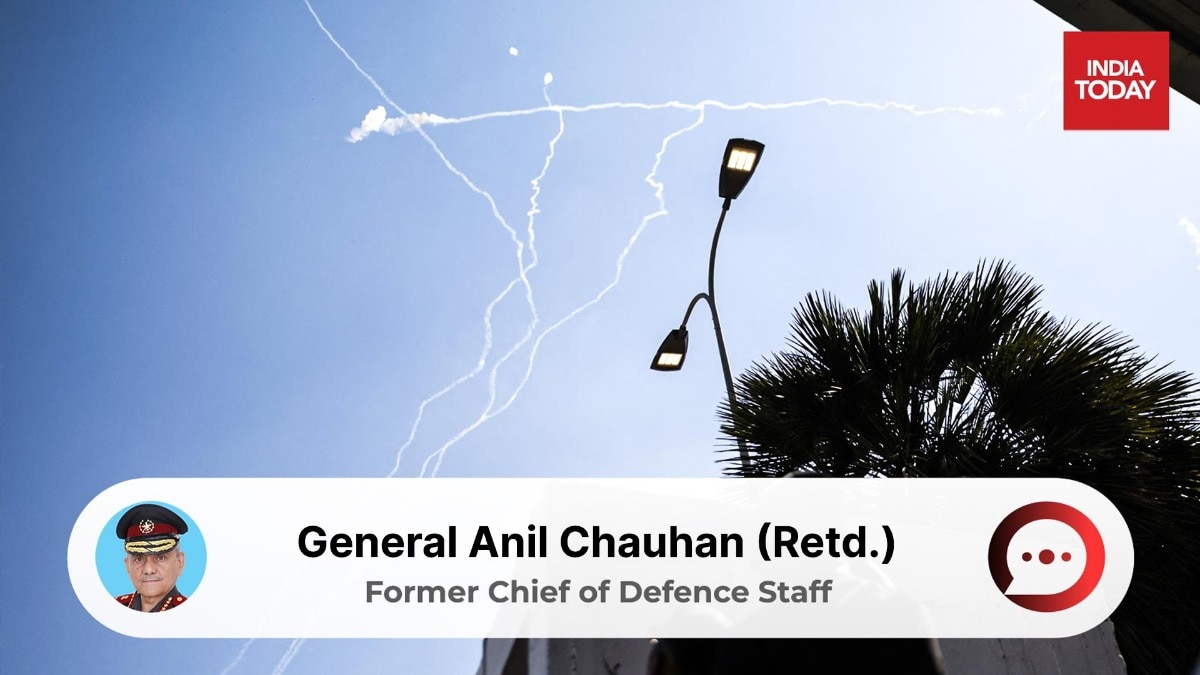
The 2026 Iran‑Israel‑U.S. conflict redefined distance, technology, and the concept of a non‑contact war. For India, the takeaways focus on survivability, air‑defence modernization, and strategic self‑reliance.
Key Takeaways
- Remote technology enabled a war with virtually no ground contact
- Comprehensive air‑defence remains an unfinished puzzle
- Strategic autonomy is essential for independent operations
Background and Conflict Overview
On 28 February 2026, the United States and Israel launched operations codenamed Epic Fury and Roaring Lion against Iran. It was the first war where major belligerents engaged primarily through drones, long‑range missiles, and high‑altitude aircraft without ever meeting on the battlefield.
Historically, wars have hinged on direct contact—Normandy (1944), Inchon (1950) and the Falklands (1982) all illustrate that a landing creates access, but the decisive fighting occurs ashore. The Iran‑U.S‑Israel clash upended that rule, proving distance is no longer a defensive shield.
Historical Background
Ancient commanders like Alexander the Great and Genghis Khan fought far from home, yet their decisive battles still occurred near enemy borders. Modern amphibious and airborne operations have bridged geography, but the final clash always happened on land. This conflict marks a true departure from that pattern.
Technology and Strategy
Advanced drones, loitering munitions, ballistic, cruise and hypersonic missiles, alongside traditional fighter jets, allowed combatants to project power across continents. Iran also leveraged proxy forces—Houthis and Hezbollah—to create vulnerabilities in the Red Sea and Mediterranean, turning the war into a geopolitical non‑contact engagement.
"Technology has turned the battlefield into a borderless digital arena," says Prof. Ravi Singh.
Why This Matters
BozokMedia analysis shows India must rethink survivability, layered air‑defence, and autonomous strike capabilities to stay relevant in future non‑contact conflicts.
Frequently Asked Questions
Q1: Will all future wars be non‑contact?
A: Not entirely, but the likelihood of remote engagements is rising dramatically.
Q2: What defence upgrades does India need most urgently?
A: Multi‑layered air‑defence, electronic warfare suites, and indigenous drone programs.