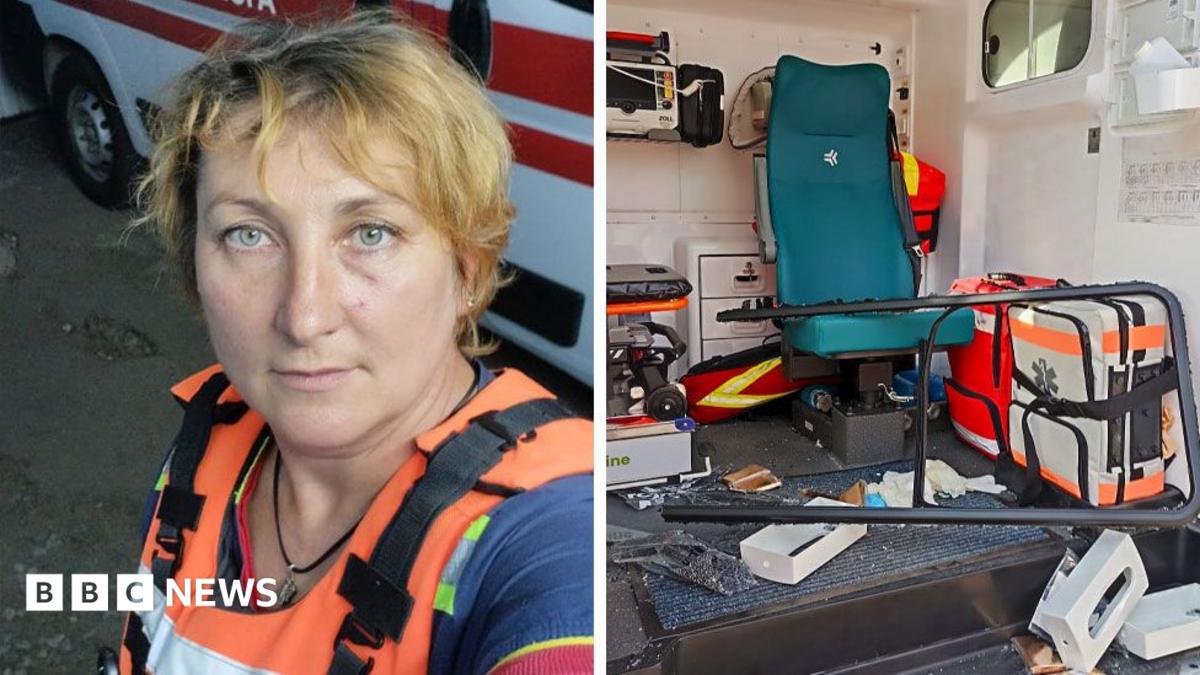
Ukrainian emergency responders warn of a surge in Russian drone and missile strikes on hospitals and ambulances, breaching Geneva Convention protections. WHO reports over 3,118 attacks on health facilities since the invasion began.
Key Takeaways
- Russian FPV drones are deliberately targeting ambulances and hospitals.
- WHO has logged 3,118 healthcare attacks since February 2022.
- These attacks isolate frontline civilians from essential medical care.
Incident Overview
Paramedic Inna Lytvynenko was dispatched to Kherson last June when a woman was injured by a Russian drone. An FPV drone collided with her ambulance, prompting her to flee, shouting, “If I stopped, I would die.”
The drone pursued her for about ten minutes before disappearing. Two additional vehicles arriving to transport the patient were also struck, and a third police car finally rescued the victim.
Historical Background
Under the Geneva Conventions, medical facilities and ambulances are protected from attack. Since the Russian invasion in February 2022, the World Health Organization (WHO) has recorded an average of two attacks per day on Ukraine’s health infrastructure, establishing a grim new normal.
A recent Doctors Without Borders (MSF) report confirms that Russia systematically targets Ukrainian medical sites, indicating a sustained strategy rather than incidental collateral damage.
Why This Matters
BozokMedia analysis shows that systematic attacks on medical services cripple civilian resilience, push vulnerable populations toward a “slow death,” and place international humanitarian aid at severe risk.
"When ambulances are deliberately hit, the intent is unmistakable and violates the laws of armed conflict," says Robin Meldrum, MSF country coordinator in Ukraine.
Frequently Asked Questions
Question 1: Are Russian drone attacks on medical facilities punishable under international law?
Answer: Yes, intentionally targeting civilian medical services constitutes a war crime.
Question 2: How can Ukraine safeguard its health services?
Answer: Rapid international response, creation of protected zones, and investment in anti‑drone technology are essential.