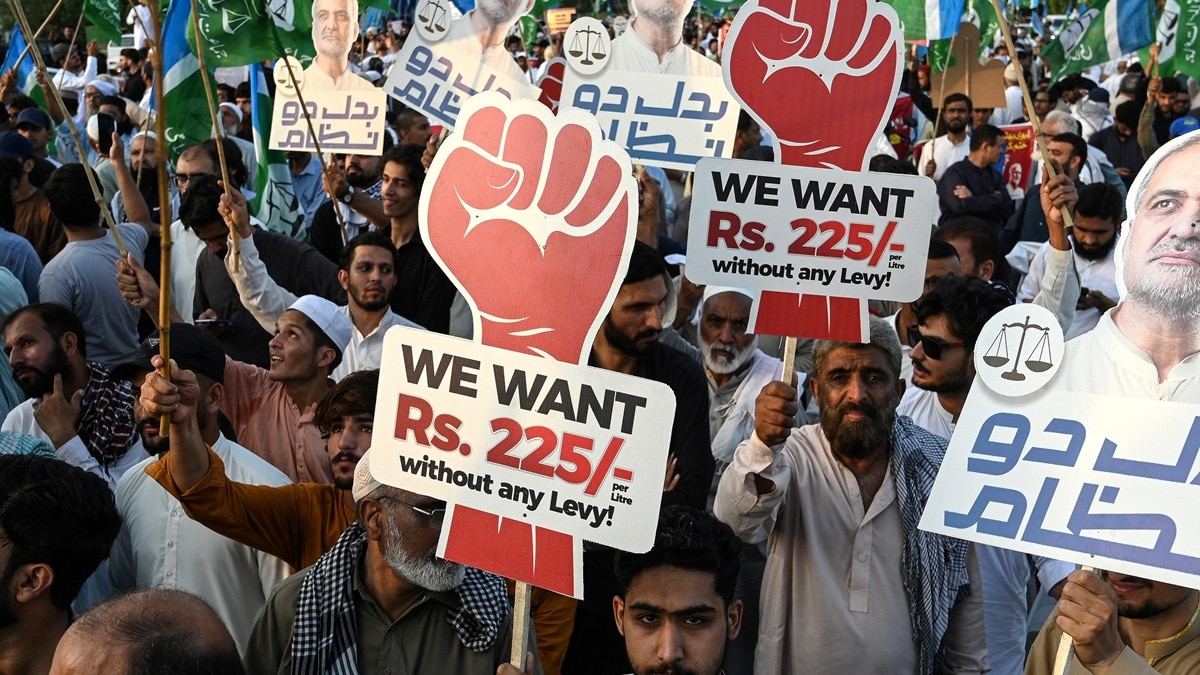
Mass protests erupted across major Pakistani cities against the newly imposed petroleum levy. Jamaat-e-Islami leader Hafiz Naeem‑ur‑Rehman warned Prime Minister Shehbaz Sharif to scrap the levy and vowed to intensify nationwide rallies.
Key Takeaways
- Large‑scale protests against the petroleum levy
- Jamaat‑e‑Islami urges escalation of rallies
- Government receives a stern demand to repeal the tax
Thousands of demonstrators took to the streets in Karachi, Lahore, and Islamabad on Friday, joining a campaign organized by the religious‑political party Jamaat‑e‑Islami. The protests target the newly imposed petroleum levy on gasoline, diesel and kerosene.
Party chief Hafiz Naeem‑ur‑Rehman took the podium to deliver a blunt warning to Prime Minister Shehbaz Sharif, stating, “IMF and you both go to hell, stop oppressing the poor.” He announced that the rallies would intensify, promising to block the Karachi‑to‑Chitral highway.
Historical Background
The petroleum levy was introduced in 2026 as a new revenue stream for the federal budget, intended to bolster the treasury amid dwindling foreign‑exchange reserves. Critics warned that the tax could fuel inflation and burden ordinary citizens, while the government argued it was essential for fiscal stability.
Why This Matters
BozokMedia analysis shows that the protest could destabilize the already fragile economic reforms and may force the government to renegotiate terms with the IMF, affecting foreign investment and regional stability.
“The opposition to the petroleum levy is as much a political challenge as it is an economic one,” noted a leading economist.
Frequently Asked Questions
Q1: What is the purpose of the petroleum levy?
A: It is intended to increase government revenue from fuel sales and reduce budget deficits.
Q2: Will the protests affect Pakistan’s IMF agreement?
A: Potentially; if the levy remains, the IMF may impose stricter conditions on financial assistance.


