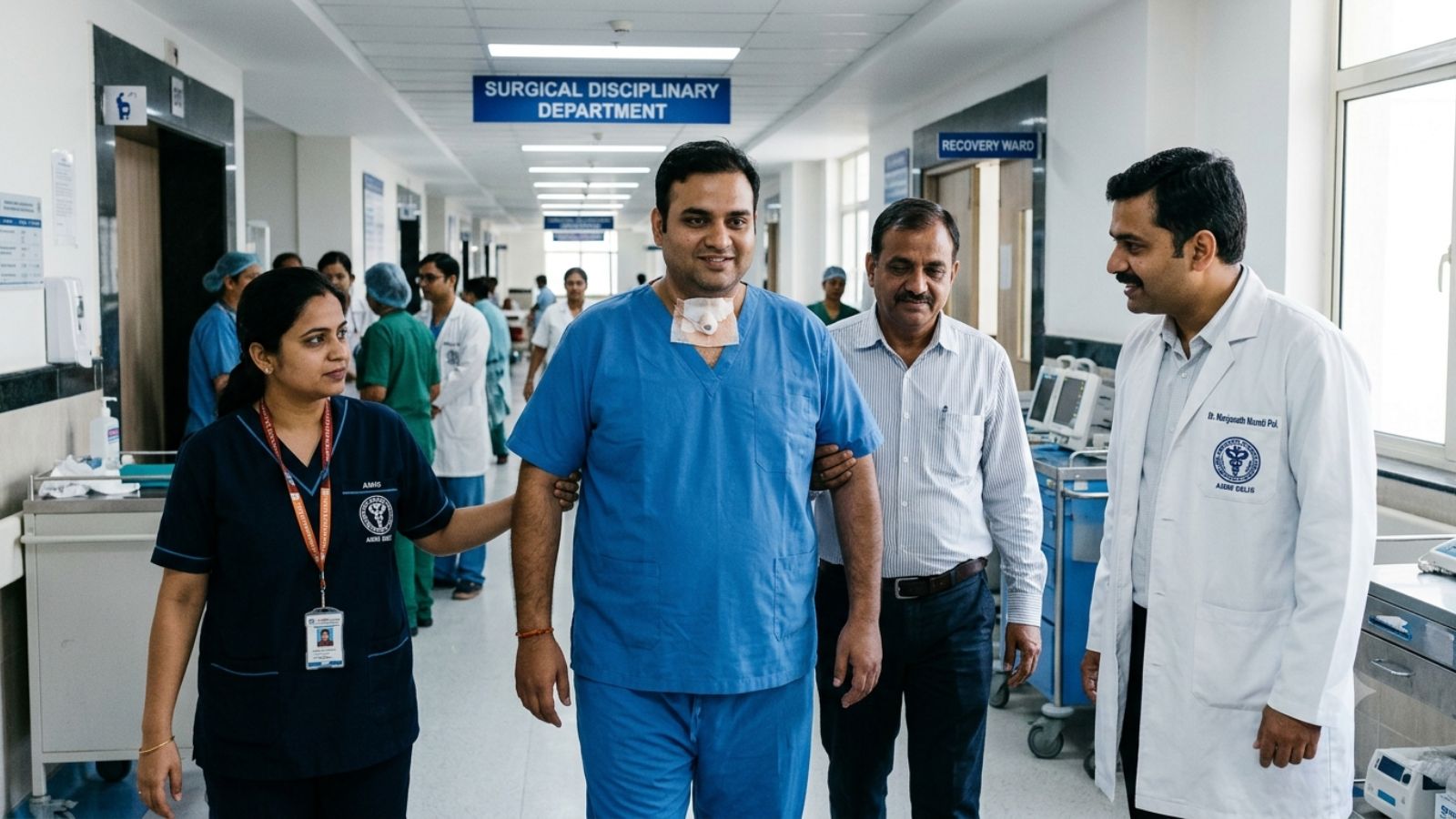
A 32‑day multidisciplinary program at AIIMS Delhi reduced a 209 kg patient’s weight by 50 kg, enabling life‑saving bariatric surgery. The case highlights intensive low‑calorie dieting, airway stabilization, and coordinated care.
Key Takeaways
- Weight dropped from 209 kg to 172 kg in 32 days
- Multidisciplinary team stabilized airway and respiration
- Pre‑operative optimization enabled bariatric surgery, shedding 50 kg
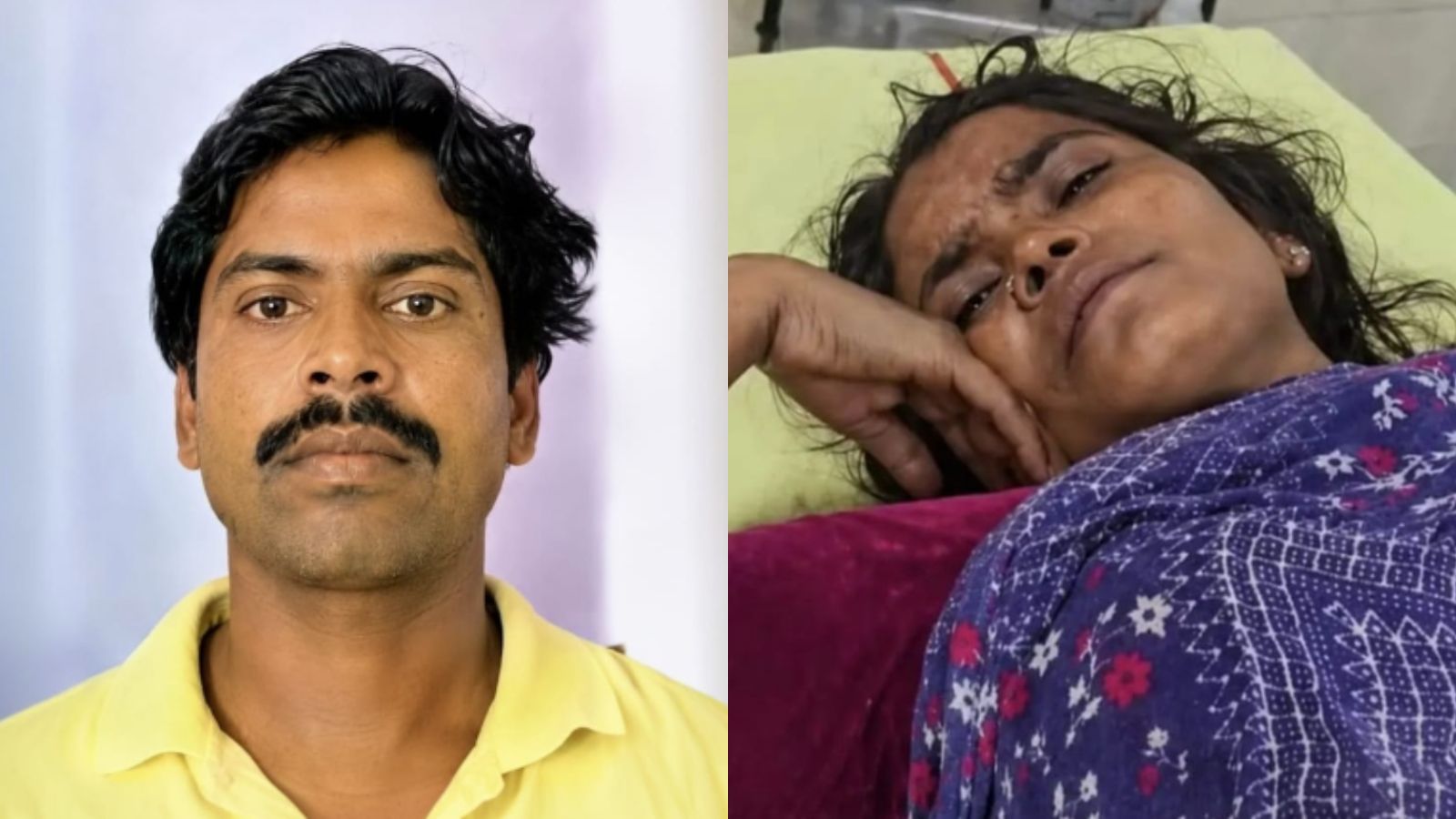
Vivek Saxena, a 32‑year‑old, emerged from a life‑threatening condition after AIIMS Delhi’s rigorous pre‑operative protocol reduced his weight from 209 kg to 160 kg and allowed bariatric surgery. Upon admission on June 16, his BMI was a staggering 74, accompanied by severe sleep apnoea, respiratory failure, hypertension, pre‑diabetes and knee pain.
Doctors deemed him “inoperable” until a coordinated effort by surgeons, anesthesiologists, intensivists, dietitians and infection‑control experts began. For 32 days he followed a medically supervised very‑low‑calorie diet (VLCD), shedding 37 kg and shrinking his abdominal girth from 198 cm to 178 cm.
Why This Matters
BozokMedia analysis shows that extreme obesity is often considered a contraindication for bariatric surgery. AIIMS’s “multidisciplinary rescue strategy” proves that meticulous airway management, respiratory optimisation, and a strict VLCD can turn an almost inoperable patient into a viable surgical candidate, offering a new blueprint for tackling India’s obesity epidemic.
“Once excess fat behaves like an active endocrine organ, simple willpower isn’t enough; coordinated medical intervention is essential,” says Dr. Manjunath Maruti Pol.
Frequently Asked Questions
Q: What is bariatric surgery?
A: It is a weight‑loss operation that reduces stomach size, limiting food intake and promoting significant weight loss.
Q: Why is a very‑low‑calorie diet used before surgery?
A: It lowers liver size and eases airway management, reducing intra‑operative risks and speeding post‑operative recovery.