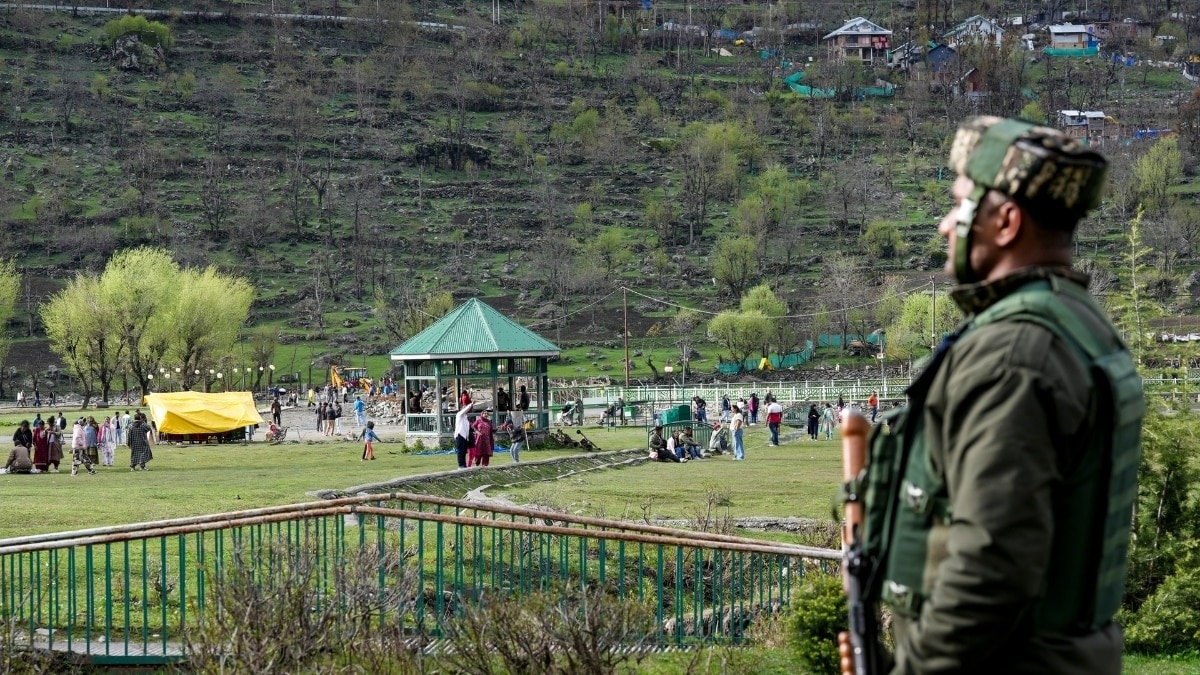
A parliamentary panel has recommended comprehensive CCTV coverage, centralised monitoring and clear SOPs for major tourist destinations in Jammu and Kashmir. The move aims to speed up threat response following the Pahalgam attack and rising visitor numbers.
Key Takeaways
- Integrated CCTV coverage mandated for all major tourist spots.
- Centralised monitoring hubs and clear inter‑agency SOPs recommended.
- Dedicated emergency units, regular audits, and multilingual safety signage required.
Panel’s Detailed Recommendations
The Parliamentary Standing Committee on Home Affairs has proposed an "integrated security and surveillance framework" for every major tourist destination in Jammu and Kashmir. The report stresses the need for centralised monitoring facilities, periodic vulnerability assessments, and seasonal security audits to ensure a coordinated response to any incident.
Background of the Initiative
On April 22, a terror attack in Pahalgam’s Baisaran valley claimed 26 lives, most of them tourists. The tragedy heightened security concerns across the region, prompting the committee to conduct on‑site assessments and draft these comprehensive recommendations.
Core Recommendations
The panel urges comprehensive CCTV deployment, centralised monitoring, regular vulnerability assessments, and periodic security audits. It also calls for clear inter‑agency standard operating procedures, especially before peak seasons such as the Amarnath Yatra.
Why This Matters
BozokMedia analysis shows that enhanced surveillance and coordinated emergency response can significantly boost tourist confidence, directly influencing the region’s economic growth and international image.
"An integrated monitoring system ensures rapid threat detection and swift response without delay," says security analyst Dr. Rajesh Mehta.
Frequently Asked Questions
Q1: Will CCTV be installed at all tourist spots immediately?
A: The committee aims for full coverage within two years, prioritising high‑footfall locations first.
Q2: Who will bear the cost of these new security measures?
A: Funding will be shared between the central and state governments, with technical support from the Ministry of Defence.


