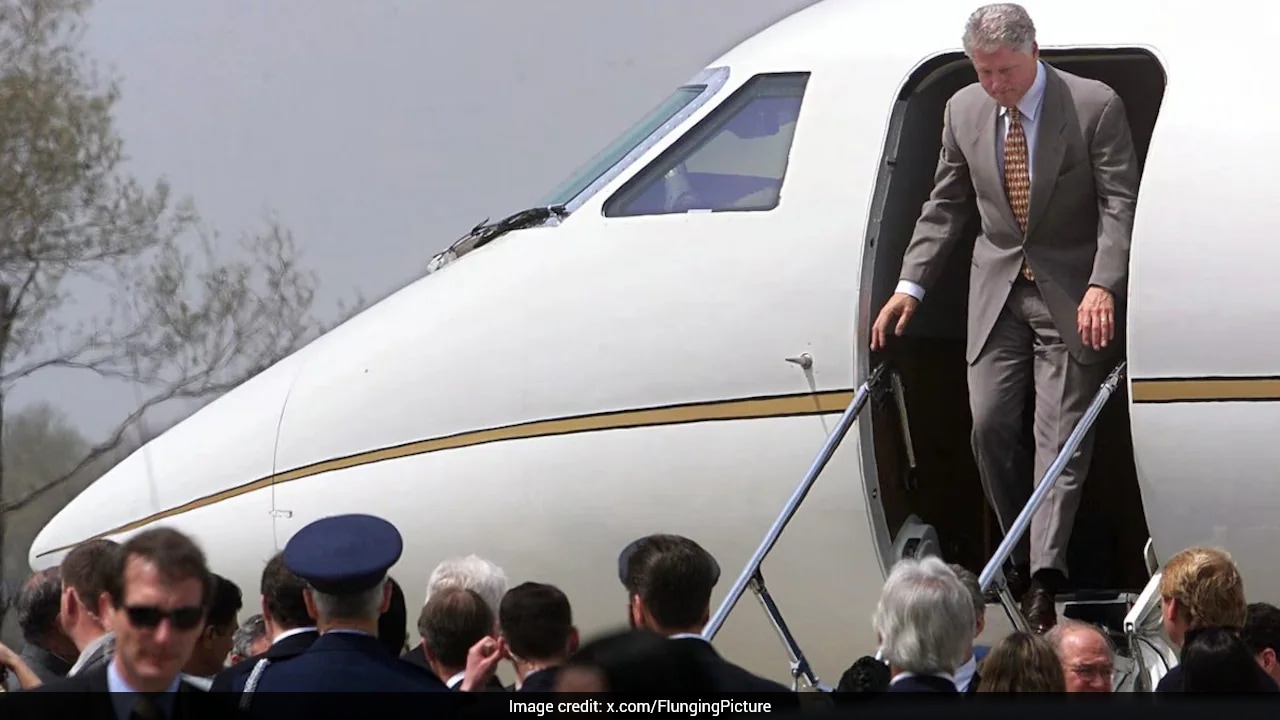
In 2000, former U.S. President Bill Clinton traveled from India to Pakistan aboard an unmarked aircraft that shadowed Air Force One. The covert operation became public when Clinton disembarked from the second plane after a tightly secured six‑hour visit in Islamabad.
Key Takeaways
- Clinton flew on an unmarked decoy aircraft alongside Air Force One
- The plane’s identity was concealed until the Islamabad landing
- Six‑hour diplomatic visit remained under tight security
In the year 2000, former President Bill Clinton employed an unusual security measure for his diplomatic mission to Pakistan. Departing from India, he boarded a clandestine aircraft that followed Air Force One, ensuring that his presence could not be easily tracked by hostile actors.
The decoy plane bore no commercial markings and was deliberately kept off official flight logs. The secrecy held until Clinton stepped off the secondary aircraft upon landing in Islamabad, where he conducted a six‑hour, high‑security engagement before returning to India.
Why This Matters
BozokMedia analysis shows that this episode underscores the extreme lengths governments will go to safeguard high‑profile leaders during volatile diplomatic assignments. It redefines security protocols on the global stage and may set a precedent for future missions in conflict‑prone regions.
"Such covert flights are not merely a footnote in presidential travel; they represent a strategic evolution in international security tactics," notes security analyst Dr. Emily Harper.
Frequently Asked Questions
Question 1: Which agencies coordinated the decoy flight?
**Answer:** The operation was overseen jointly by the U.S. CIA and Indian security services.
Question 2: Were there any security breaches during the trip?
**Answer:** No incidents were reported; all protocols were successfully executed.