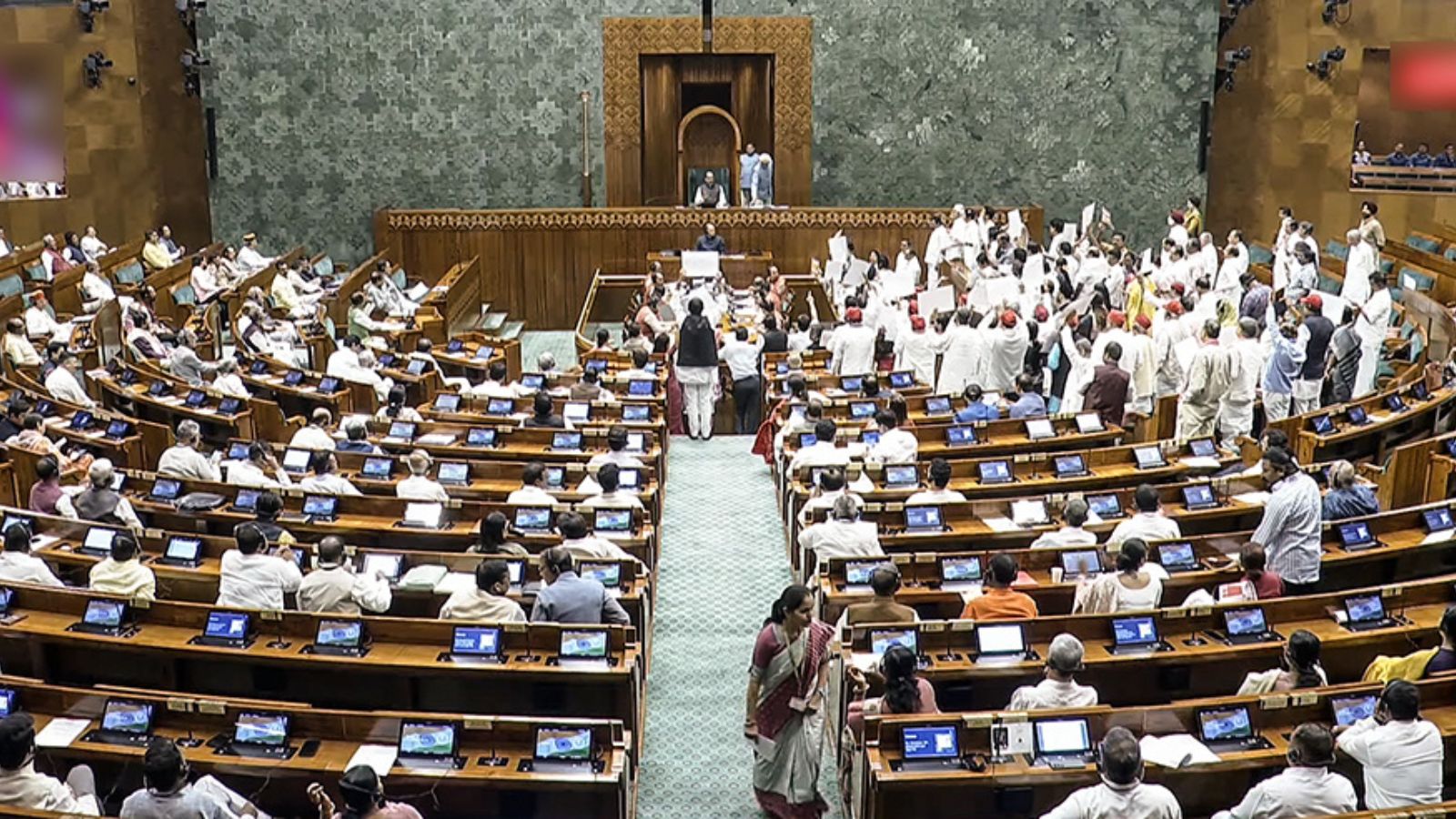
The Indian government introduced the Mines and Minerals (Development and Regulation) Amendment Bill, 2026 in the Lok Sabha on August 12. The bill seeks to expand central authority over mineral‑bearing lands, potentially reshaping the nation's mining regulatory framework. Stakeholders warn of both investment opportunities and federal‑state power shifts.
Key Takeaways
- Bill presented on August 12 in Lok Sabha.
- Amends the 1957 Act to give the Centre control over mineral‑bearing lands.
- Aims to balance economic growth with environmental safeguards.
The Mines and Minerals (Development and Regulation) Amendment Bill, 2026 was tabled in the Lok Sabha on Wednesday, 12 August. Initially slated for Monday, the introduction was moved to allow final consultations.
The amendment proposes to insert provisions that empower the Union Government to regulate mineral‑rich territories, a power currently limited and largely exercised by state authorities under the original 1957 Act.
Officials argue that a unified, centre‑led regulatory regime will boost transparency, attract foreign investment, and improve environmental compliance. Opposition parties, however, caution that the move could undermine state autonomy and open avenues for misuse.
Why This Matters
BozokMedia analysis shows that the amendment could reshape India's mining sector by centralising control, potentially accelerating foreign investment while raising concerns over federal‑state power dynamics.
"This amendment marks a pivotal shift in India's mining policy, promising a more cohesive regulatory environment," said a leading industry analyst.
Frequently Asked Questions
Question 1: How might this bill affect the role of state governments?
Answer: Expanded central regulation could reduce state autonomy, but may also foster collaborative frameworks.
Question 2: Are there any major hurdles to the bill's passage?
Answer: Opposition resistance and potential constitutional challenges are the primary obstacles.