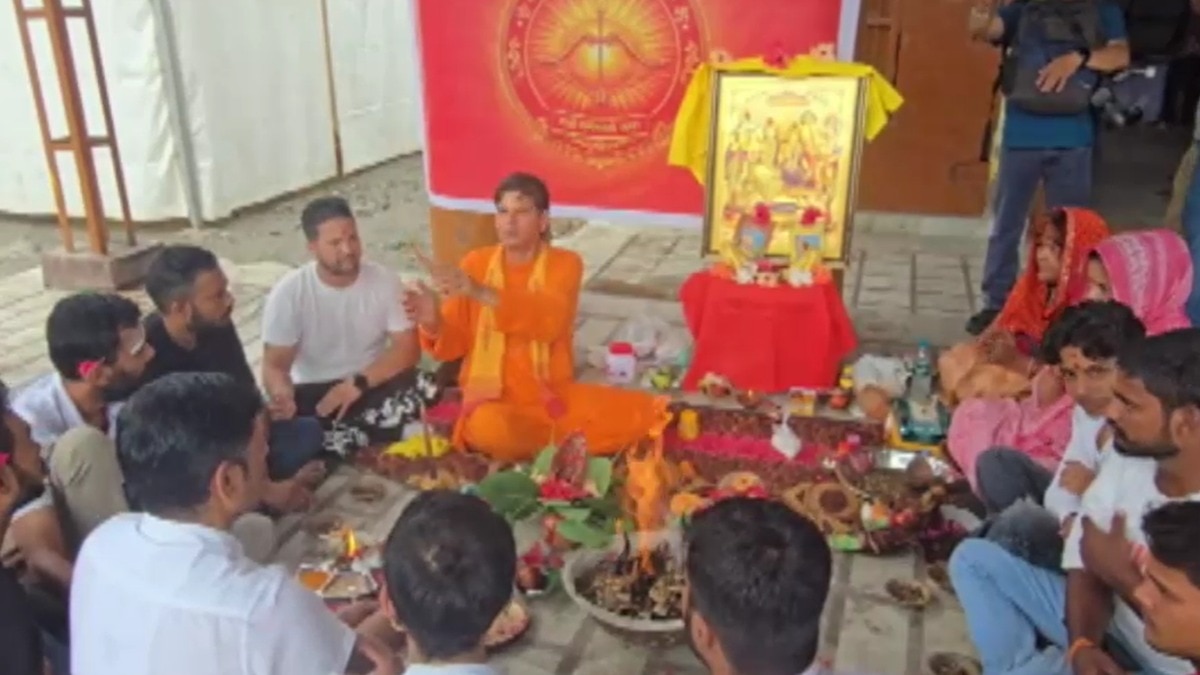
After Congress leader Mallikarjun Kharge held a rally on the Haldwani Ramlila ground, the Shri Ram Sena performed a purification yajna, sparking a fierce clash between Congress and BJP over caste and religious symbolism. Both parties accuse each other of promoting divisive agendas ahead of the 2027 state elections.
Key Takeaways
- Kharge's rally was followed by a purification yajna
- Congress labels it caste‑biased
- BJP distances itself from the event
Timeline of Events
On August 13, 2026, Congress President Mallikarjun Kharge delivered the "Vijay Shankhnad Rally" at the historic Ramlila ground in Haldwani, Uttarakhand. Shortly after the rally concluded, the Shri Ram Sena Dharma Seva Niyog organized a purification yajna at the same venue, citing Kharge’s past statements they deem anti‑sanatan.
Political Fallout
The Congress Scheduled Caste wing condemned the yajna as a manifestation of "caste‑biased mentality" and blamed BJP‑aligned individuals for orchestrating it. Congress state chief Ganesh Godiyal called the act “shameful” and urged the local SSP to launch a fair investigation.
BJP’s Response
BJP district president Pratap Bisht clarified that no party official participated in the purification ceremony and that the party has no affiliation with the event. Consequently, the Ramlila ground has turned into a political arena where both parties vie for narrative control.
Why This Matters
BozokMedia analysis shows that the controversy highlights the fragile interplay between religious symbolism and caste politics in Uttarakhand, potentially influencing voter sentiment ahead of the 2027 assembly elections.
"Co‑opting sacred spaces for political theatrics risks eroding India’s pluralistic fabric," notes political analyst Dr. Anjali Singh.
Frequently Asked Questions
Question 1: Is there any legal basis for the purification yajna?
Answer: No specific law governs such rituals, but public events typically require municipal permission.
Question 2: How might this controversy affect upcoming elections?
Answer: By foregrounding caste and religious issues, both parties could see shifts in their traditional vote banks.
