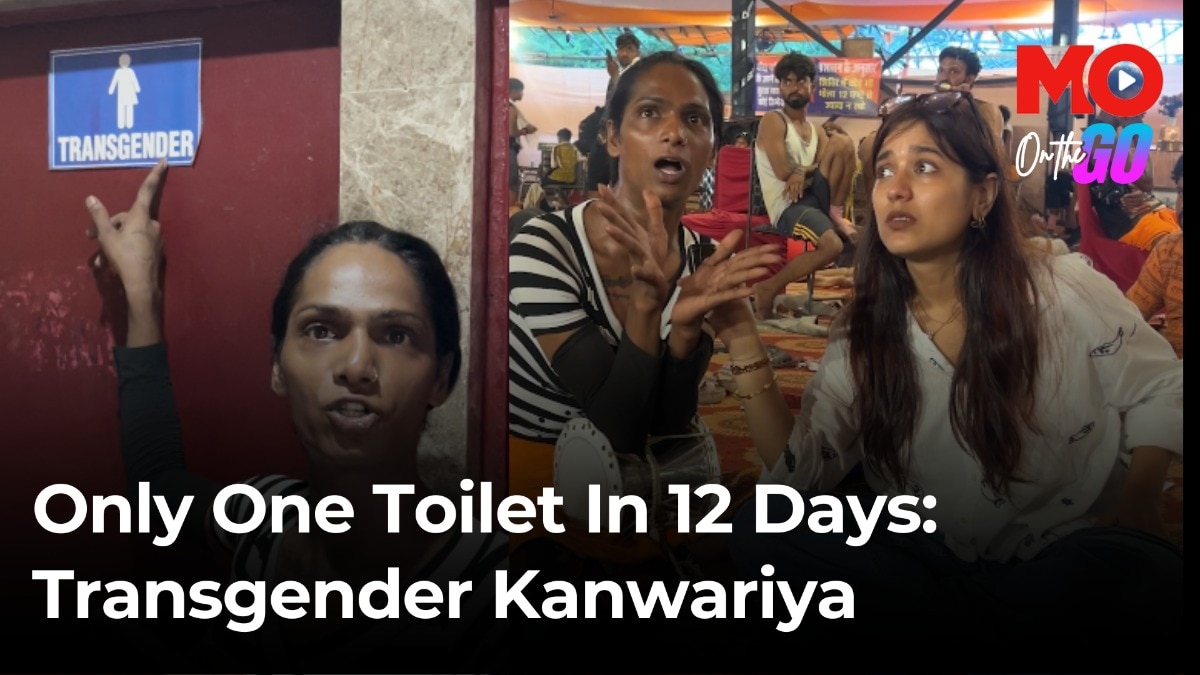
Transgender participants in the Kanwar pilgrimage receive respect while on the route, but once the yatra ends they are subjected to renewed harassment. The incident exposes gaps in societal acceptance and legal protection.
Key Takeaways
- Transgender Kanwariyas are respected during the pilgrimage
- Harassment resumes once the journey ends
- Persistent gaps in safety and societal acceptance
During India's iconic Kanwar Yatra, transgender individuals often experience a warm welcome and reverence from locals, devotees, and volunteers. Yet this respect evaporates the moment the pilgrimage concludes, giving way to discrimination and harassment.
First‑hand accounts reveal that while on the road, many transgender pilgrims are offered water, shelter, and even chants of "Namaste" that elevate their sense of belonging. However, the fleeting nature of this acceptance underscores a deeper systemic issue.
Historical Background
Historically, transgender communities have held distinct roles in Indian religious traditions—serving as temple caretakers, ceremonial singers, and even as bearers of sacred items. Their involvement in the Kanwar Yatra dates back decades, yet modern societal attitudes have oscillated, creating an inconsistent environment of respect.
Why This Matters
BozokMedia analysis shows that the intermittent respect followed by harassment highlights systemic gaps in legal protection and societal attitudes toward transgender individuals during major cultural events.
"Without institutional safeguards, any temporary respect is fleeting," asserts human‑rights scholar Dr. Rajat Kumar.
Frequently Asked Questions
Question 1: Are there specific security measures for transgender participants during the Kanwar Yatra?
Answer: No dedicated national protocols exist; safety largely depends on local police presence and volunteer coordination.
Question 2: What support do transgender communities need beyond the pilgrimage?
Answer: Sustainable legal protections, awareness campaigns, and employment opportunities are essential for long‑term dignity.