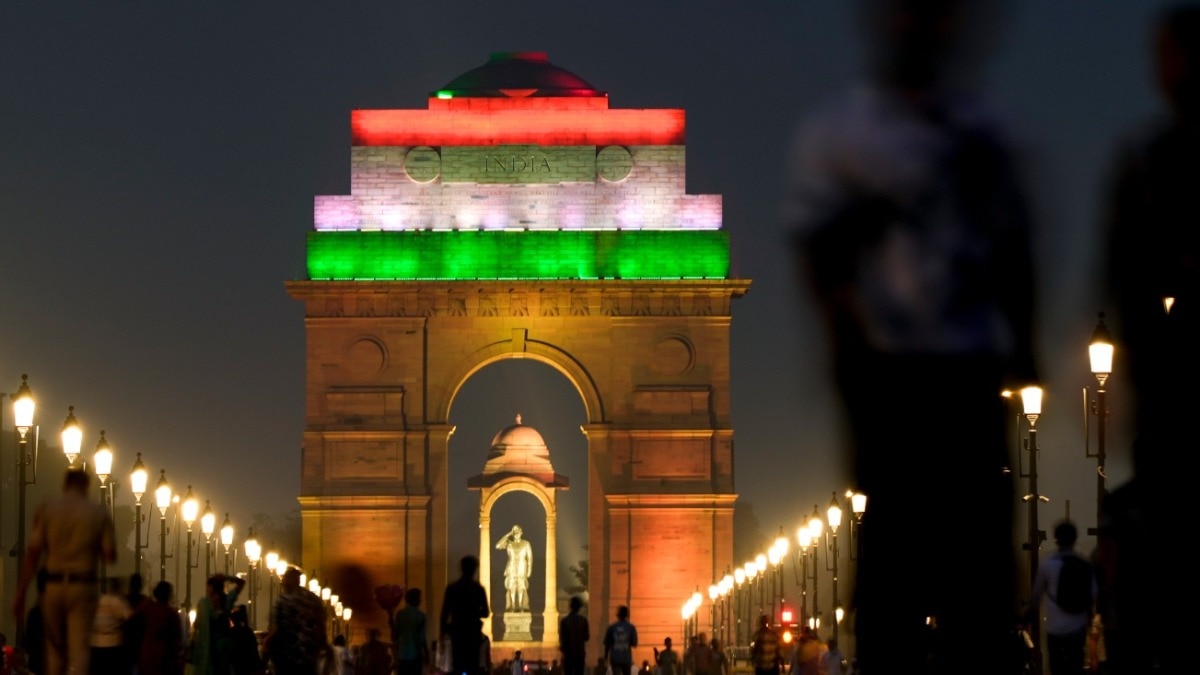
On the eve of India’s 80th Independence Day, iconic landmarks from Jammu to Mumbai were bathed in the vibrant hues of the national flag. The celebrations featured sand art, border parades, and musical performances, creating a spectacular display of patriotism across the country.
Key Takeaways
- India Gate lit up in tricolor lights
- More than ten historic sites from Jammu to Mumbai showcased patriotic lighting
- Sand art, border ceremonies and music added excitement to the festivities
Tricolor Brilliance at India Gate
New Delhi’s India Gate shone brightly on the eve of the 80th Independence Day, illuminated with the vivid colors of the Indian flag. Thousands of tourists and locals gathered to witness the spectacular light show.
Patriotic Colours Across the Nation
From the Humayun’s Tomb in Jammu to Mumbai’s Chhatrapati Shivaji Terminus, Puri Beach, Amritsar’s Attari‑Wagah border, Bhopal’s Indira Gandhi Assembly Building, Lucknow and Prayagraj’s historic courts – each landmark was drenched in the tricolor glow, accompanied by flag‑hoisting ceremonies.
Special Programs and Artistry
Renowned sand artist Sudarshan Patnaik crafted a mesmerizing sand sculpture on Puri Beach, while BSF troops performed a spirited beating retreat at the Wagah border. Bands of the Indian Army played patriotic tunes in front of the Taj Mahal, amplifying the celebratory mood.
Historical Background
Independence Day, observed every 15 August, commemorates India’s liberation from British rule in 1947. The day is marked by flag‑hoisting, cultural programs, and nationwide reflections on progress. The 80th anniversary holds special significance as a milestone of two decades of growth.
Why This Matters
BozokMedia analysis shows that such nation‑wide lighting initiatives reinforce collective identity, boost tourism, and create a visual narrative of unity that resonates across urban and rural India.
"The tricolor illumination does more than beautify; it amplifies the spirit of national unity," says historian Dr. Ajay Singh.
Frequently Asked Questions
Q1: Were all lighting events government‑sponsored?
A: Most were organized by state governments and local municipalities, with support from private partners.
Q2: Were there special security measures for the celebrations?
A: Yes, additional security personnel were deployed at major sites, and crowd‑control routes were established.
