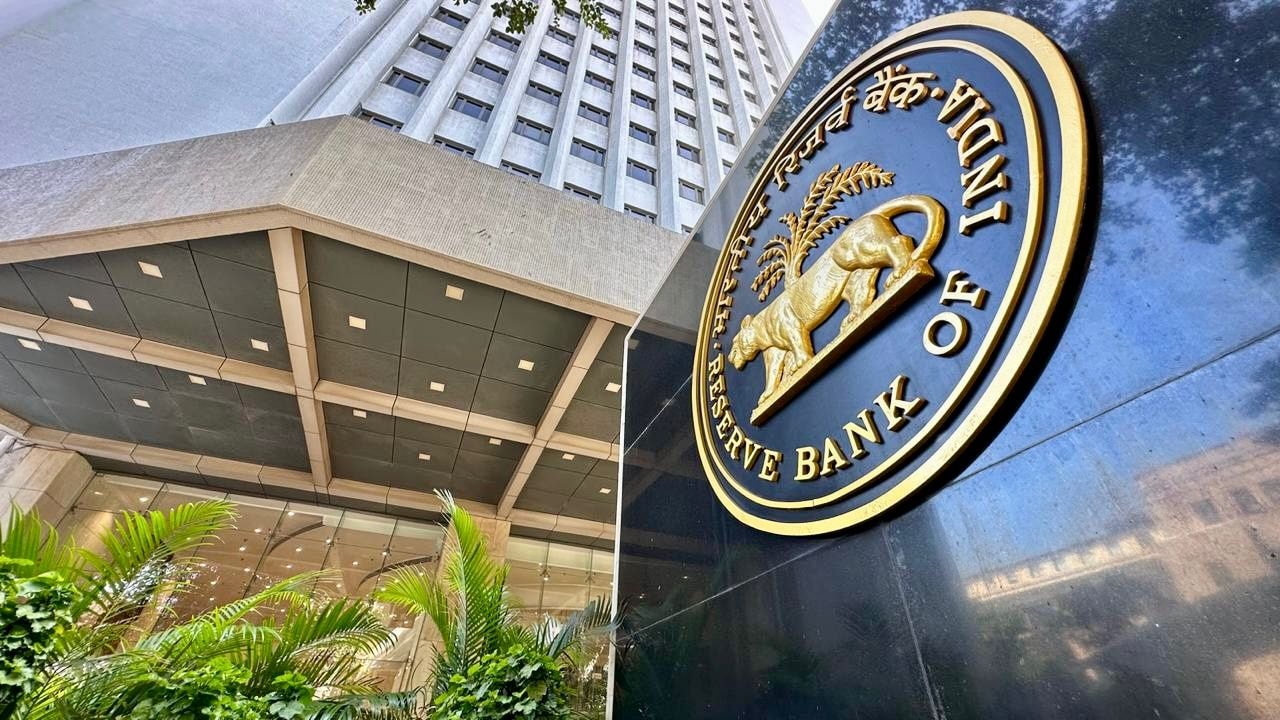
Reserve Bank of India data reveals that India's current account deficit widened to $6.2 billion in June, driven largely by a surge in the merchandise trade deficit to $30.2 billion. The widening gap raises concerns over external balances and currency stability.
Key Takeaways
- Current account deficit reached $6.2 billion in June
- Merchandise trade deficit expanded to $30.2 billion
- RBI data highlights growing external pressure
Current Situation
The Reserve Bank of India (RBI) released data indicating that India's current account deficit widened to $6.2 billion in June 2024. This increase is primarily attributed to a sharp rise in the merchandise trade deficit, which climbed from $28.5 billion in the previous month to $30.2 billion.
Merchandise Trade Gap Widening
Imports, especially crude oil and electronic components, surged ahead of export growth, pushing the trade deficit higher. The imbalance reflects both global commodity price spikes and domestic demand pressures.
Historical Background
Over the past five years, India has generally maintained a modest current‑account surplus, but post‑2022 global supply‑chain disruptions and soaring energy prices have reversed this trend. In 2023, similar dynamics saw the deficit expand, underscoring the vulnerability of external balances.
Why This Matters
BozokMedia analysis shows that a widening current account deficit can pressure the rupee, affect foreign investment inflows, and compel policymakers to reconsider fiscal and monetary strategies.
"If unchecked, the growing deficit could strain India's foreign‑exchange reserves and undermine currency stability," warns senior economist Dr. Anita Singh.
Frequently Asked Questions
- Q: How will a larger current‑account deficit affect the Indian rupee?
A: It may lead to depreciation pressures, especially if foreign capital inflows weaken. - Q: What measures is the government taking to curb the deficit?
A: Policies focus on boosting exports, curbing non‑essential imports, and diversifying energy sources.