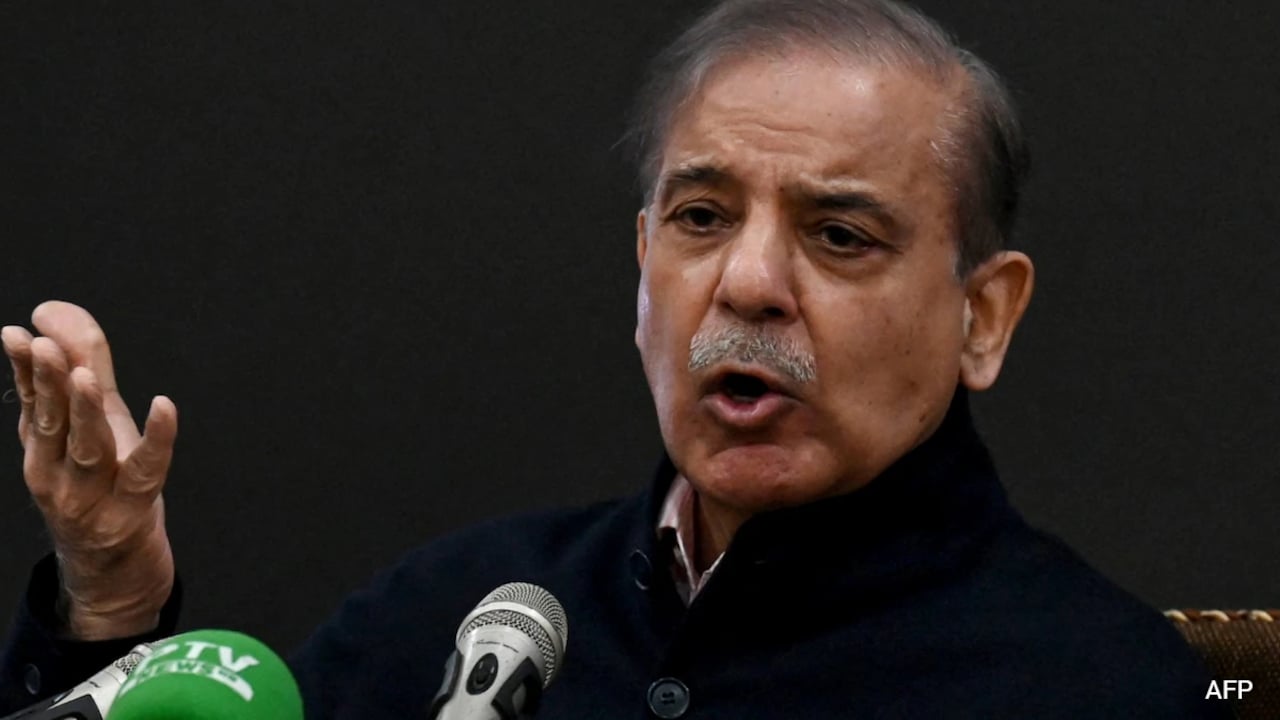
Prime Minister Shehbaz Sharif warned that the Indus water is a non‑negotiable red line for Pakistan, following India's suspension of the water treaty after the April 2025 Pahalgam terror attack.
Key Takeaways
- Sharif labels Indus water as Pakistan's "red line"
- India placed the 1960 treaty in abeyance after the Pahalgam attack
- Water dispute heightens South Asian security tensions
New Statement and Its Context
Pakistani Prime Minister Shehbaz Sharif told international media that the Indus River water is a "red line" for Pakistan and any challenge to it would be unacceptable. The comment came after New Delhi announced the 1960 water treaty would be put into "abeyance" following the April 2025 Pahalgam terror attack.
Background of the Water Treaty
The 1960 Indus Water Treaty, signed between India and Pakistan, allocated the waters of six western rivers to Pakistan and the eastern rivers to India. It has long been hailed as a cornerstone of South Asian water security.
Historical Background
Despite the treaty, water disputes have flared periodically, especially during droughts and flood seasons. In the 1970s, India expanded its hydro‑electric projects, prompting Pakistan to raise concerns at the United Nations.
Why This Matters
BozokMedia analysis shows that any escalation over water resources can quickly translate into broader geopolitical tension, affecting trade, energy security, and regional stability.
"Water security is a core element of national security and should not become a political bargaining chip."
Frequently Asked Questions
Question 1: Has India officially cancelled the treaty?
Answer: No, India has merely placed the agreement in abeyance, leaving the door open for future renegotiations.
Question 2: Which economic sectors could be impacted by this dispute?
Answer: Agriculture, hydropower, and water‑intensive industries could face disruptions, affecting both economies.